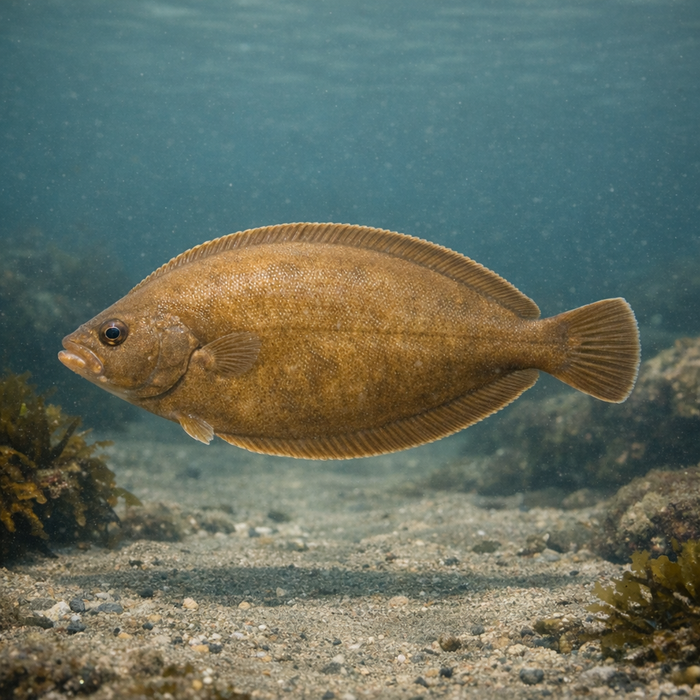
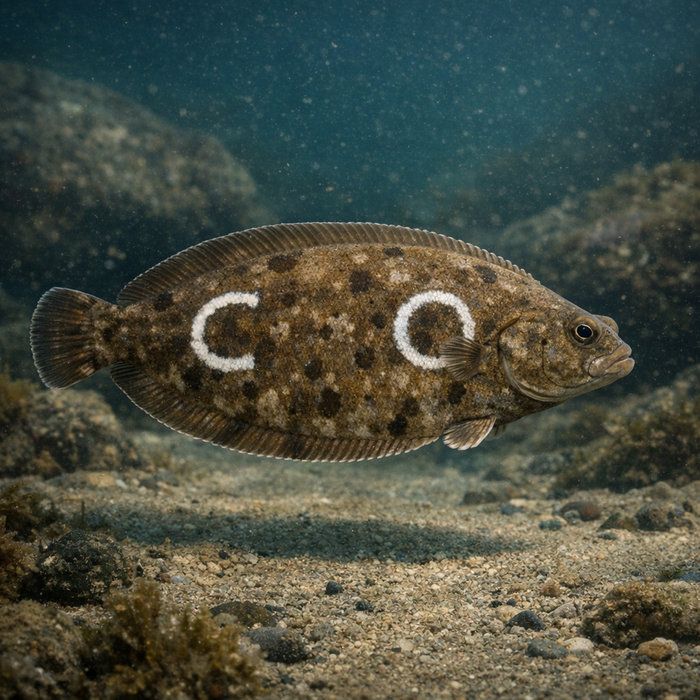
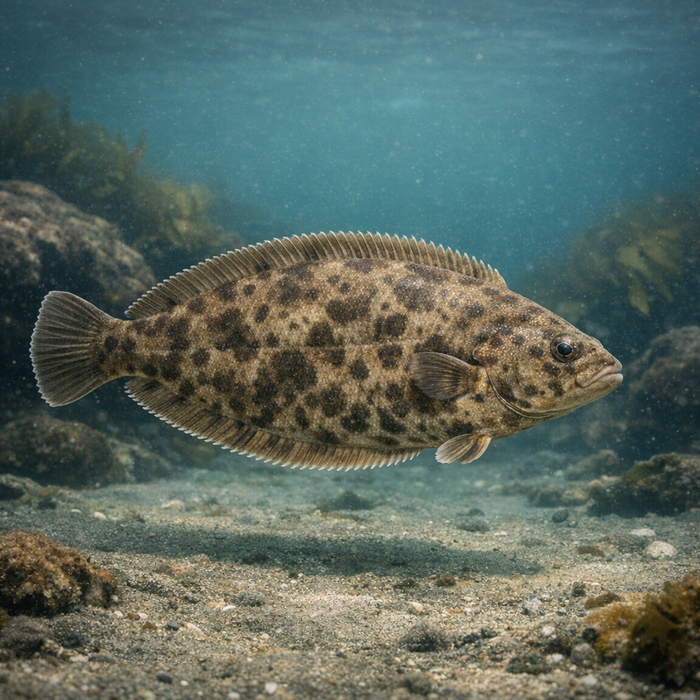
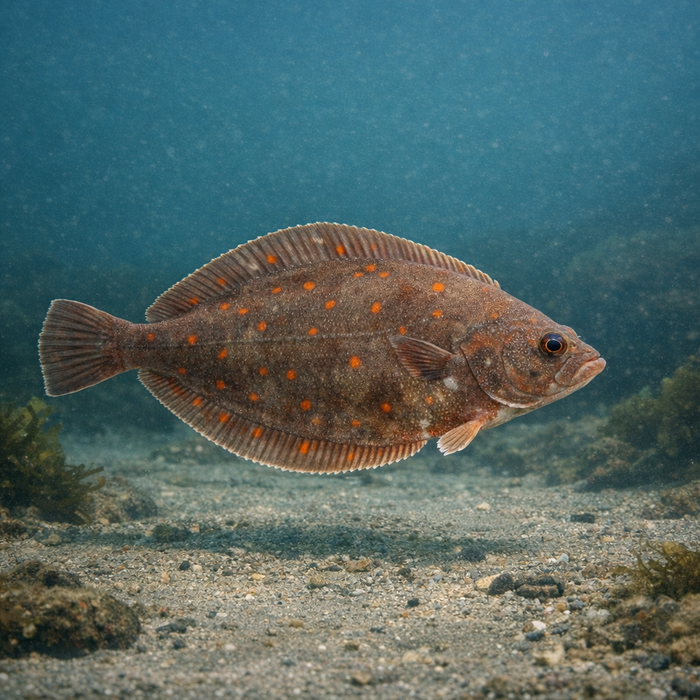
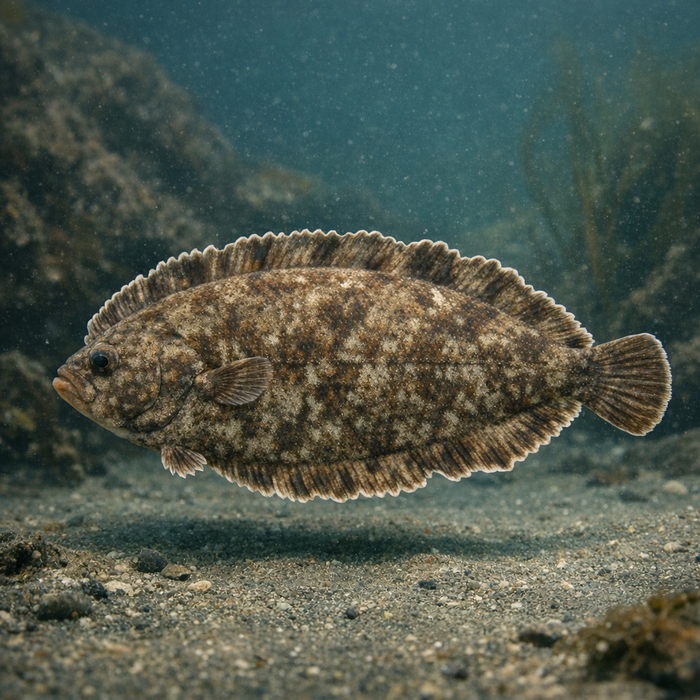
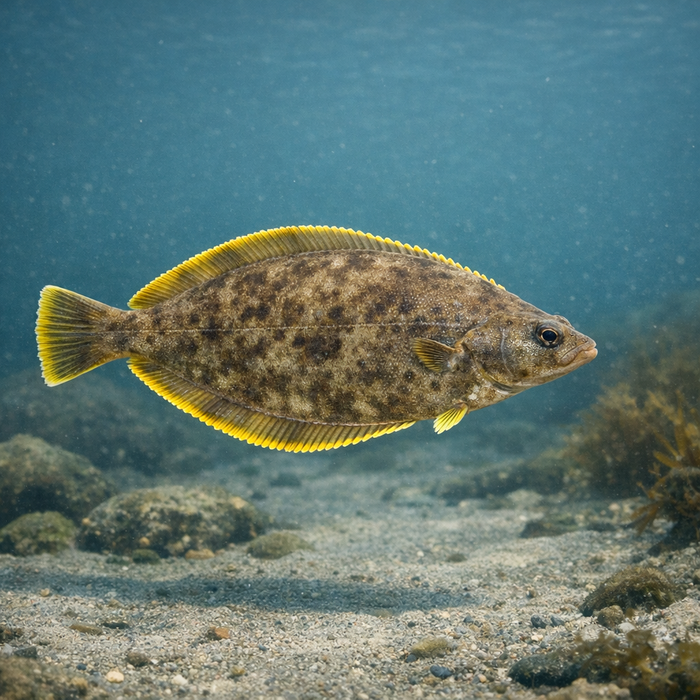
English Sole (Parophrys vetulus): The West Coast's humble flatfish with sneaky good table manners.IntroductionThe English sole is the working-class flatfish of the Pacific coast: common, mild, and criminally overlooked by sport anglers chasing flashier trophies. Slip a small bait across a muddy flat and this right-eyed pancake will ghost up, inhale, and play possum on the way to the net. If you want dinner without drama, English sole deliver. And since you're here for English sole facts and practical knowledge, let's peel back the mud and show you what really matters.What Makes the English sole Unique?First, the name is a misdirect. It's not a true sole at all, but a right-eyed flounder in the family Pleuronectidae. Second, that snout is long and pointy with a small mouth built for vacuuming worms and tiny crustaceans, which gives the English sole laser focus on soft-bottom groceries. Third, it's a chameleon, shifting hues from rusty brown to olive to blend into whatever muck it's lounging on. Those quirks make English sole easy to ID and easier to target if you think like a benthic forager.Habitat & Global RangeEnglish sole habitat is the soft stuff. Picture broad sand and mud plains in bays, estuaries, and the inner continental shelf. They range along the North American Pacific from California into Alaska, sliding shallow into estuaries as juveniles and working deeper edges as adults. Depth-wise, they're most comfortable in nearshore flats and gentle slopes, especially where tides move food but not so much current that everything gets blown out. If your sinker drags slowly and the bottom feels like chocolate pudding, you're in the neighborhood for English sole.Behavior & TemperamentThis isn't a cage match. English sole bite gently, sometimes like a bored telemarketer tapping your line. They'll nuzzle and pin a bait to the bottom before committing, which is why small, sharp hooks and patient hooksets outperform haymaker swings. They won't sprint off like a halibut either. Expect a short, stubborn dogfight a foot off the bottom followed by a compliant glide to the net. Drift or slow-hop your rig; the goal is to keep bait crawling, not dancing.Ecological ImportanceEnglish sole are the cleanup crew for muddy flats, converting worms, amphipods, and shrimp bits into energy for bigger predators. They link estuarine nurseries with coastal food webs, shuttling biomass between shallow rearing grounds and deeper adult haunts. Spawning typically happens in winter over the shelf, with buoyant eggs drifting and larvae settling back to bays months later as perfect miniature pancakes. Their abundance also supports commercial groundfish fleets and a long regional tradition of delicate white fillets on dinner plates.Conservation & Environmental PressuresOverall, English sole are resilient, helped by wide distribution and flexible habitat use. But they're not bulletproof. Estuary pollution, hypoxia events, and legacy contaminants hit benthic fish first. Trawl interactions and bycatch rules matter too, though many West Coast groundfish stocks now have stricter management than in the 1990s. Local stock status varies, so pay attention to regional advisories and depth-based closures aimed at protecting co-occurring species.The FishyAF TakeThe English sole won't win you internet fame, but it will win dinner. For anglers who like solving quiet puzzles, this fish is pure satisfaction: subtle bites, honest fights, and clean fillets. Scale down your gear, drift the ooze, and embrace the tap-tap. When everyone else is swinging for glory, the English sole makes you look smart, fed, and slightly smug. That's a win on any tide.