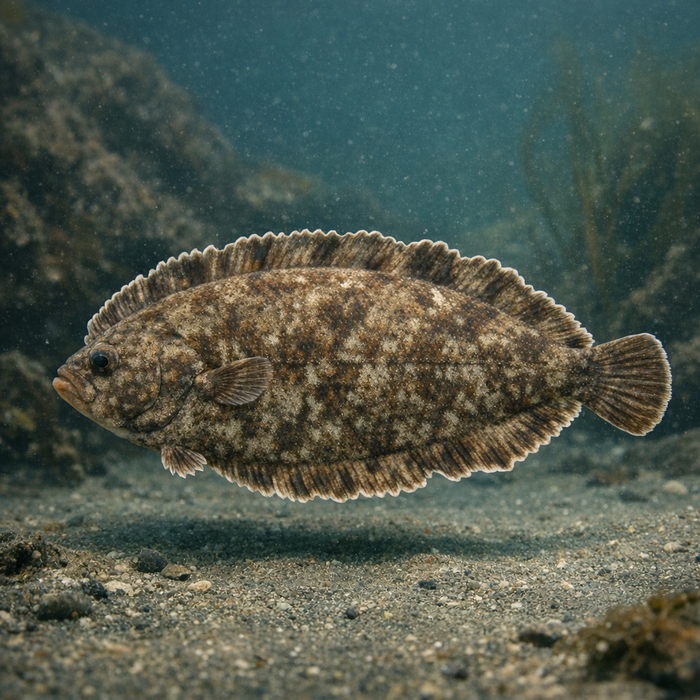
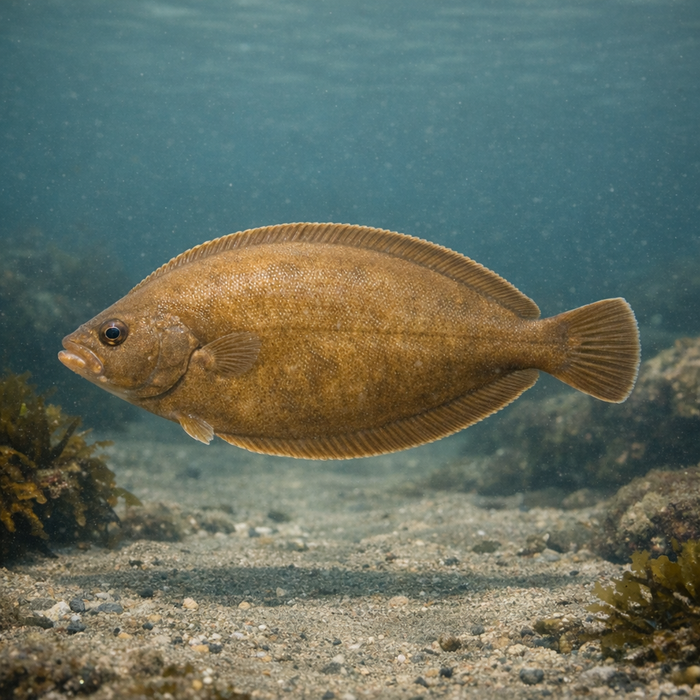
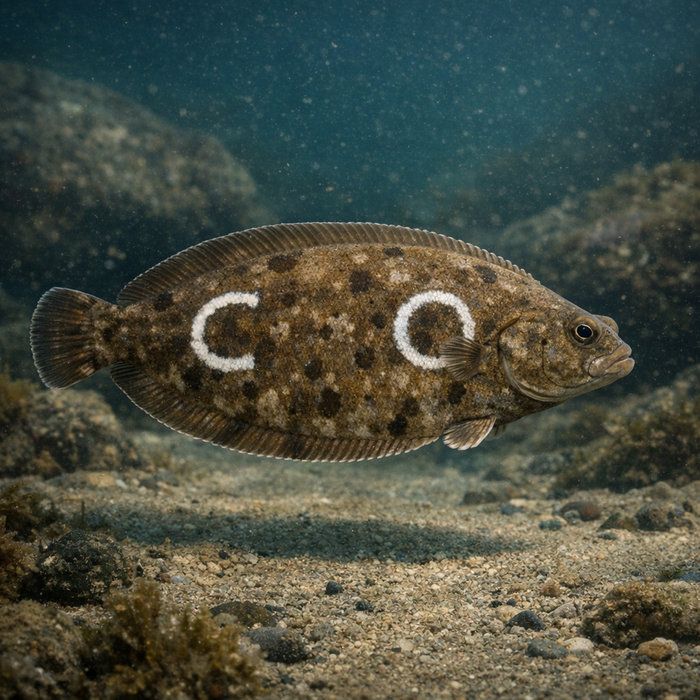
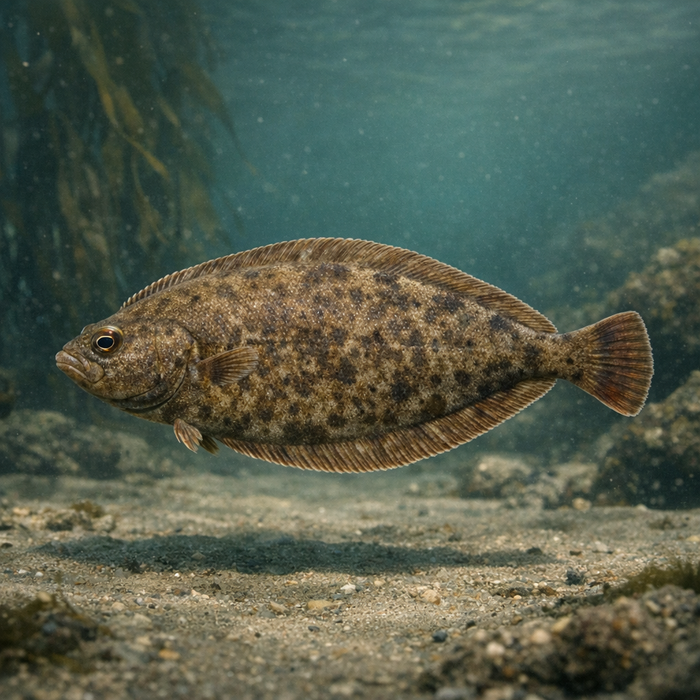
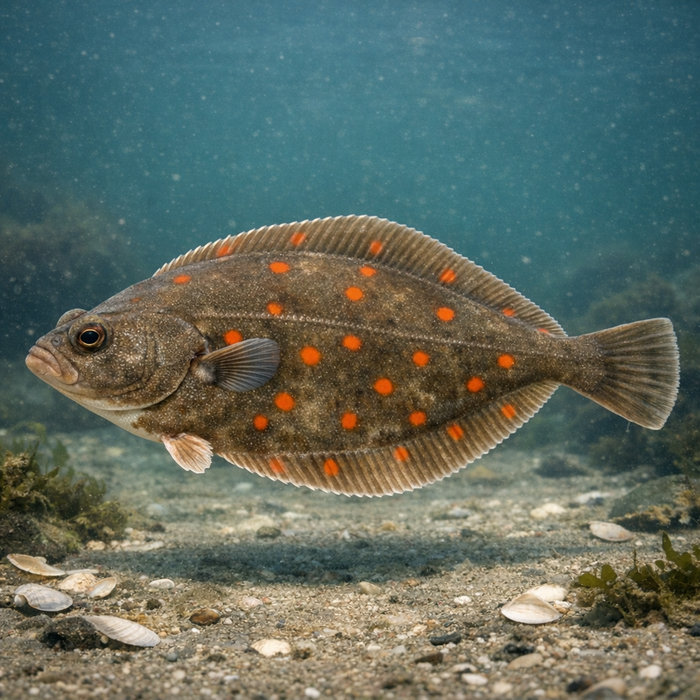
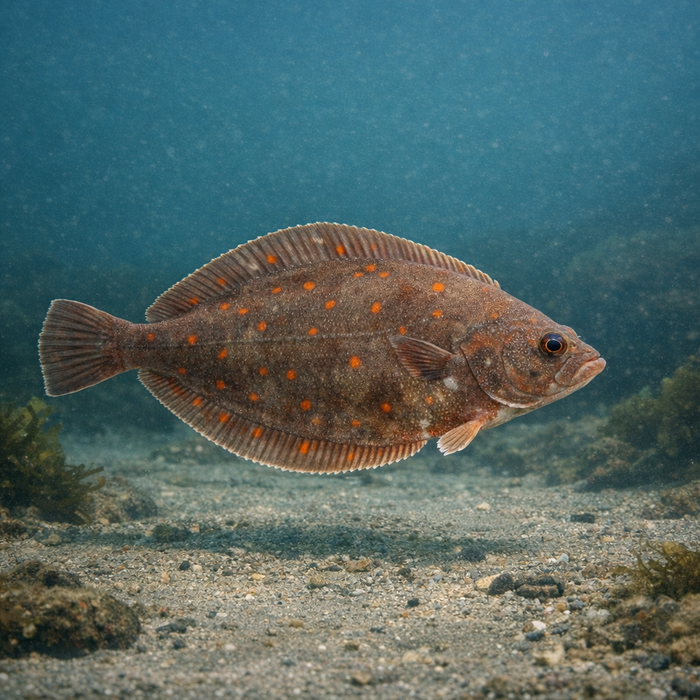
Pacific sand sole (Psettichthys melanostictus): A Bold, Memorable Hook LineIntroductionThe Pacific sand sole is the quiet assassin of the West Coast's sandy flats. It won't spool you, but it will eat steadily, hide brilliantly, and turn a slow day into dinner. If you fish bottom rigs in bays, surf lines, or nearshore sand lanes, you've probably met one. Here are the essential Pacific sand sole facts every practical angler should know.What Makes the Pacific sand sole Unique?First, this fish owns a solo act. Psettichthys is a one-fish genus, which already makes the Pacific sand sole a bit of an oddball. Second, the dorsal fin carries those peppery black speckles that inspired the species name melanostictus. Third, it's a right-eyed flatfish with a streamlined, almost torpedo-like oval compared to chunkier flounders. Sleek, subtle, and purpose-built for ambush on featureless sand.Habitat & Global RangeIf you want the quick hit on Pacific sand sole habitat, think cool Pacific edges, sandy bottoms, and simple contours. The species spans Alaska to at least central California, sliding between shallow surf zones, ebb-tide estuary mouths, and the nearshore shelf out to a few hundred feet. Juveniles commonly settle in bays and protected shallows before shifting deeper with size. Adults lounge along soft-bottom lanes, troughs, and depressions near current funnels where food rides the conveyor belt right to them. It's a fish that makes a living where most anglers only glance: the blank spaces between reefs and rocks.Behavior & TemperamentThe Pacific sand sole is an ambusher more than a chaser. It buries fast, matches the ripple pattern of the sand, and inhales prey that ventures within range. It's not fussy and not especially spooky. Tide movement helps. When light drops or current picks up, they perk up, move slightly, and feed with more confidence. Fights are honest but brief, defined by stubborn, flat-plate angles rather than runs. They're also snack-driven generalists, switching between shrimp, small crabs, and baitfish as the season changes.Ecological ImportanceFlatfish like the Pacific sand sole convert invertebrate energy into fish protein on the continental shelf, feeding everything from lingcod to marine mammals. They vacuum up crustaceans, nip at small fish, and in turn serve as compact, nutritious packets for bigger predators. Juveniles help clean up estuarine food webs while adults spread that productivity across open sand corridors. You don't notice them until you do, and then you realize a lot eats because they exist.Conservation & Environmental PressuresPacific sand sole are generally considered stable, with broad distribution and steady recruitment. Still, soft-bottom species live at the mercy of what happens on the seafloor. Trawling, hypoxia events, warming waters that shuffle prey timing, and estuary pollution can all squeeze local pockets. Regulations along the West Coast typically fold sand sole into groundfish or flatfish group frameworks that manage total pressure and bycatch. No alarms right now, but the usual ocean-health caveats apply.The FishyAF TakeThe Pacific sand sole is the blue-collar flatfish every coastal angler should appreciate. It sits where your sinker lands, asks little more than a clean presentation, and pays off with firm, mild fillets. It's not your poster child for hero shots, but it's the fish that quietly saves skunks, builds skills, and rewards tide readers. If you're into data, search "Pacific sand sole habitat." If you're into catching, point your rig at open sand, let the current crawl it along, and wait for that stubborn thump. The glam squad can keep their drama. We'll be over here stacking dinner on the flats.