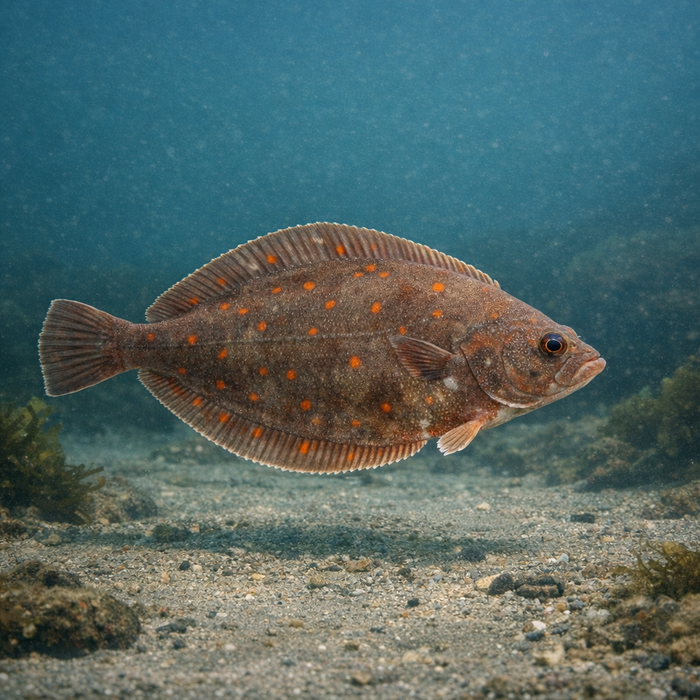
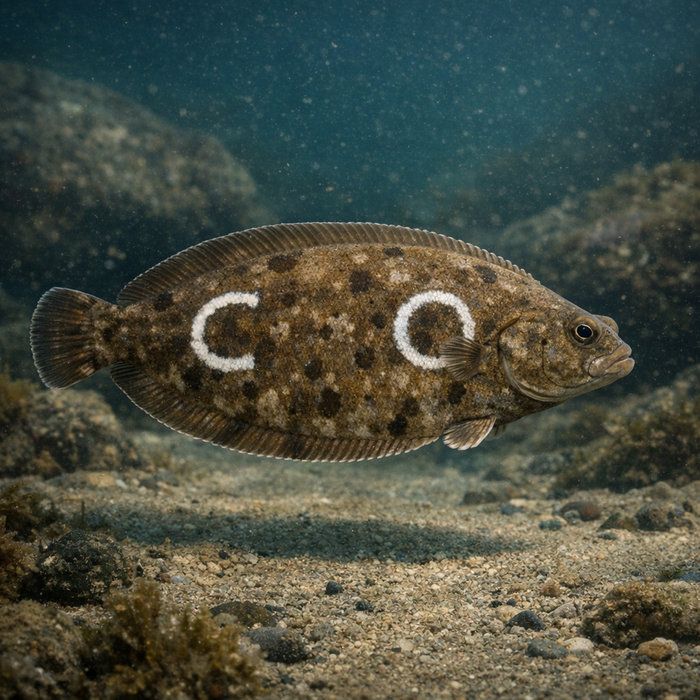
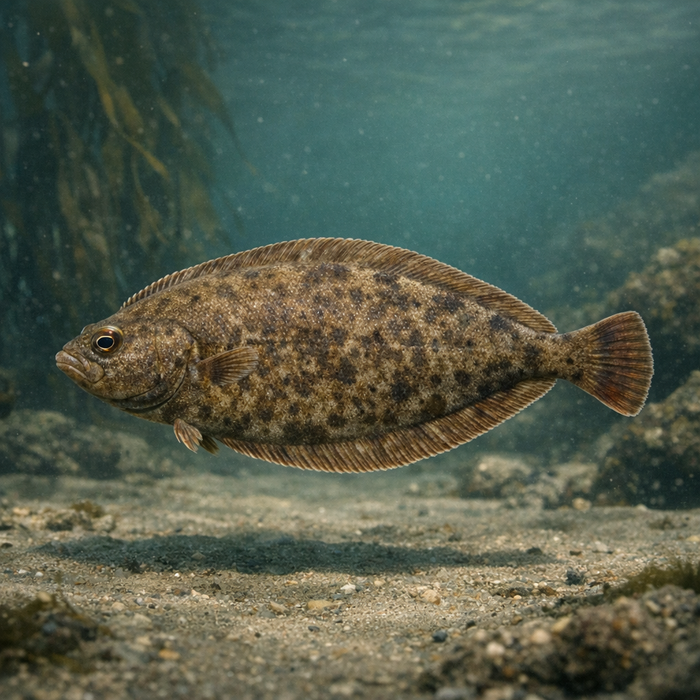
European plaice (Pleuronectes platessa): A Bold, Memorable Hook LineIntroductionThe European plaice is the polka-dotted, right-eyed pancake of the North Sea that turns sand and tide into a buffet line. It doesn't leap, doesn't sprint, and won't spool you. But if you love precision bottom work and ridiculous table fare, this flatfish is your quietly addictive target. Here's your crash course in European plaice facts with a dose of hard-won angler reality.What Makes the European plaice Unique?Two features make the European plaice impossible to mistake in-hand: bright orange spots scattered across a smooth, olive-brown top side, and a right-side eye placement thanks to a wild metamorphosis. Add a subtle bony ridge behind the eyes and you've got an ID that holds even when colors mute. Beyond looks, plaice excel at vanish mode. They bury themselves in sand, leave two neat breathing holes, and hoover worms, clams, and little crustaceans with quiet confidence.Habitat & Global RangeIf you're searching "European plaice habitat," think sand and mud, not rocks and reefs. This is a continental-shelf specialist, happiest from the intertidal surf zone out to a couple hundred meters, wherever current moves food and the bottom is diggable. It thrives around the North Sea, English Channel, Skagerrak, Kattegat, parts of the western Baltic, Icelandic waters, and down to the Bay of Biscay and North Africa. In summer, European plaice slide inshore to feed on rich, shallow flats and channels; in winter, they edge offshore to spawn on deeper grounds where currents disperse eggs and larvae.Behavior & TemperamentEuropean plaice are ambush feeders with a night-shift streak. They're not aggressive in the bass sense; think methodical grazers that pounce when a worm or shellfish lands right. Bites often start as fussy taps, then turn into steady weight. The fight is all shoulders and slow resistance rather than speed or drama. They'll school loosely by size on productive banks and gravitate to tidal lanes that ferry food. Presentation matters: small hooks, clean baits, and rigs that keep offerings skimming the sand are king. The fish isn't picky so much as practical.Ecological ImportanceAs a keystone bottom-feeder, the European plaice helps regulate invertebrate communities across massive swaths of shelf habitat. It converts worms and small bivalves into protein for bigger predators and anglers alike, and it's a cornerstone of many North Sea food webs. The species supports substantial commercial and recreational fisheries, turning plankton-fueled productivity into one of Europe's most iconic fillets. Its larvae drift pelagically, stitching together offshore spawning grounds with inshore nurseries and reminding us how tides, currents, and bottom life are inseparable.Conservation & Environmental PressuresOfficial stock status varies by area and year, but European plaice has seen classic boom-and-bust cycles tied to commercial pressure, habitat quality, and climate shifts. Trawling on sandy grounds affects juvenile habitats and benthic prey. Warmer waters can push distributions and influence growth rates. On the plus side, better management, seasonal protections, and gear improvements have helped in several regions. For anglers, that means practicing selective harvest, avoiding egg-heavy winter spawners, and treating small fish gently. The species is listed as Least Concern globally, but local conditions can differ a lot.The FishyAF TakeThe European plaice is the perfect test of subtlety. If you can keep a bait moving clean over sand, feel the featherweight tap, and wait out that second commitment nibble, you'll stack fillets and feel smug about your touch. Chasing giants is a specialized game on big offshore banks, but everyday European plaice fishing is approachable, technical, and delicious. Bring small baits, light leads, patience, and respect for the resource. The dots are iconic. The table fare is elite. And once you dial it in, you'll wonder why you ever ignored the quiet hero of the flats.