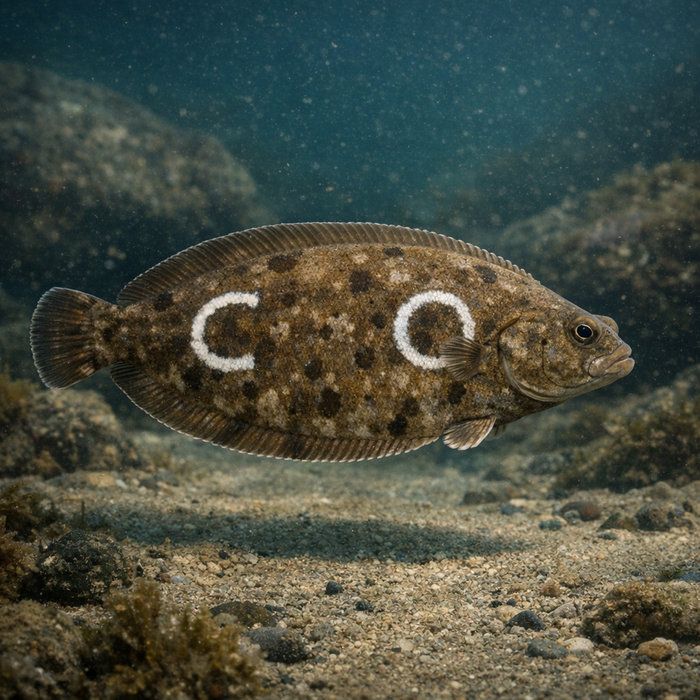
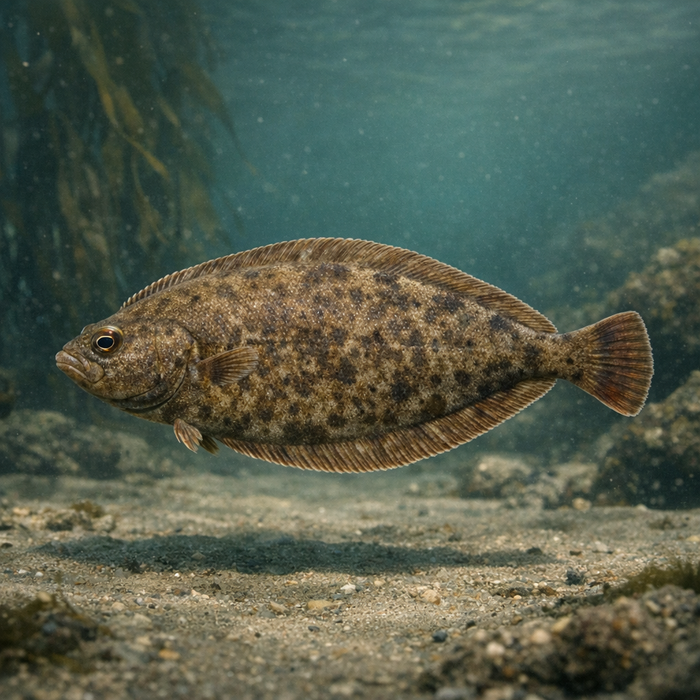
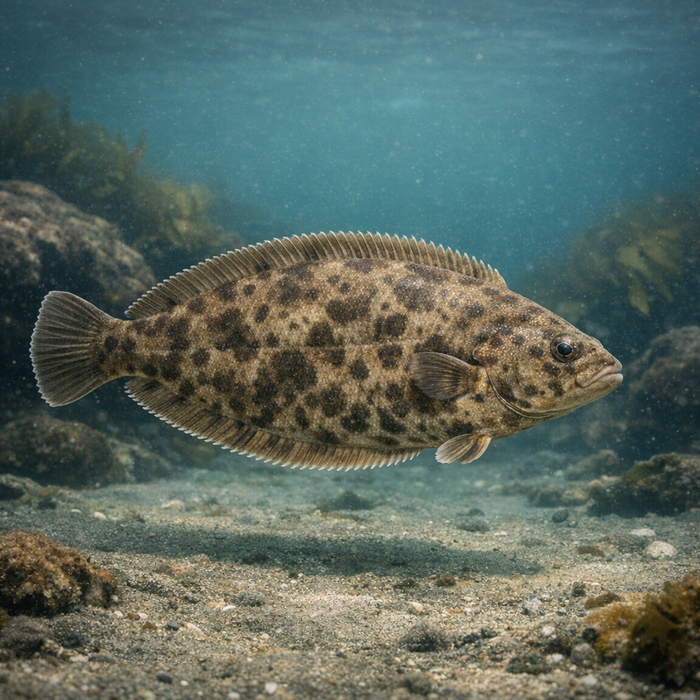
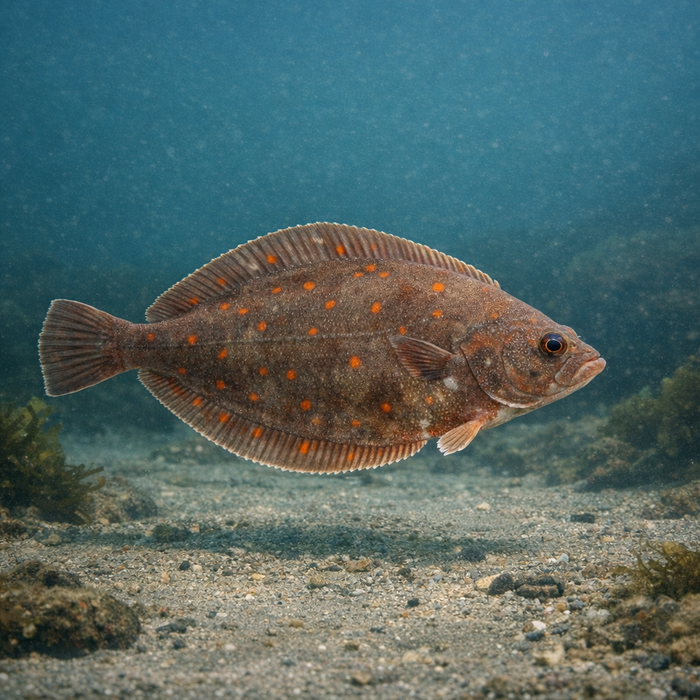
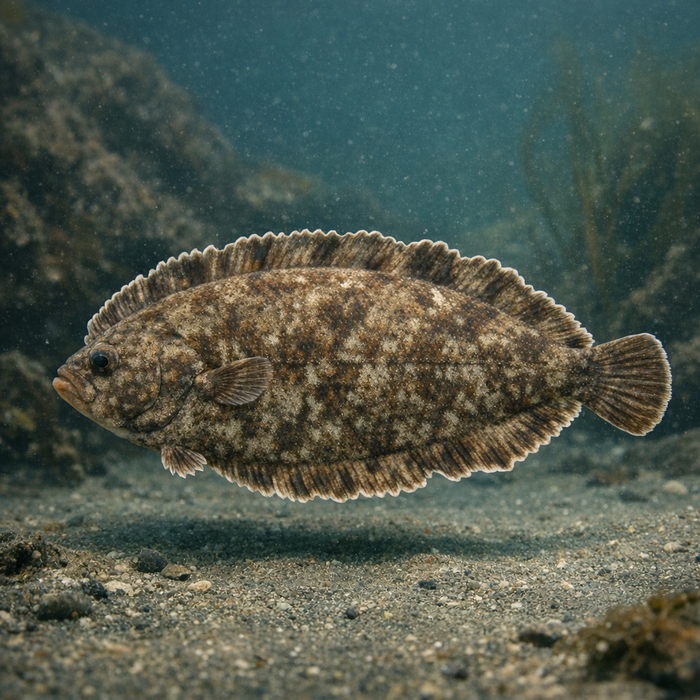
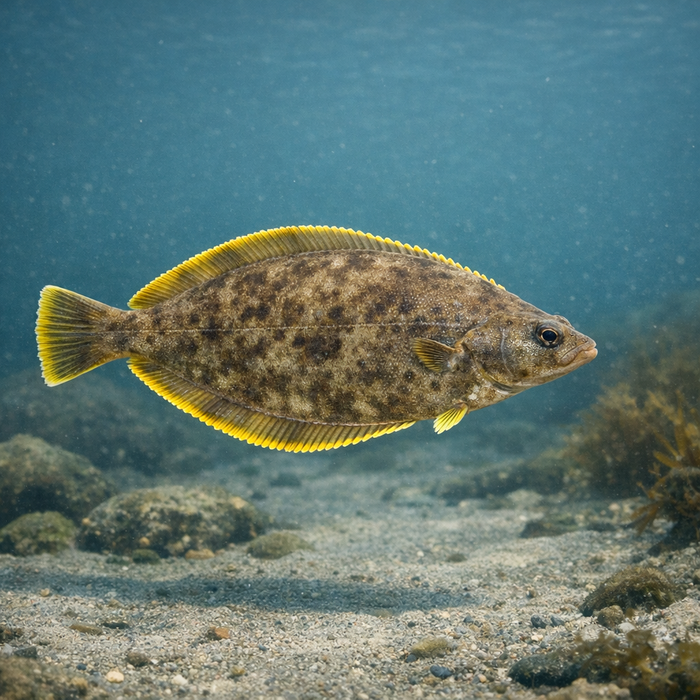
Butter Sole (Isopsetta isolepis): Small Flatfish, Big Attitude For The Ultralight CrowdIntroductionIf you think flatfish are all the same, the butter sole is ready to prove you wrong. This pint-sized Pacific specialist packs stealth, camouflage, and surprising finesse into a tidy, dinner-plate profile. It isn't a trophy hunter's dream, but for light-tackle anglers and curious seafood fans, the butter sole quietly delivers. Consider this your crash course in Butter sole facts without the boring.What Makes the Butter sole Unique?For starters, the butter sole wears a subtle yellow wash along its fins and margins that inspired its name. It's a right-eyed flounder, meaning both eyes migrate to the right side during metamorphosis while the left side stays pale. The mouth is small and precise, geared for worms and tiny crustaceans more than baitfish. That anatomy means you won't horse them in like a halibut; you'll finesse them, feel the tap, and set with intention. It's a perfect species when you want action, not arm-wrestling.Habitat & Global RangeThe butter sole is a North Pacific coastal regular, favoring soft, sandy or muddy bottoms along bays, estuaries, and nearshore flats from Alaska down the West Coast. Think gently sloping bottoms, eelgrass margins, harbor mouths, and the quieter edges of current seams. Depth-wise, butter sole roam from very shallow flats to deeper nearshore shelves, sliding deeper as temps or seasons shift. If you're scouting Butter sole habitat, start simple: soft bottom, modest current, and a buffet of benthic invertebrates.Behavior & TemperamentThis is a patient ambusher with a preference for subtlety. Butter sole lie partially buried with just the eyes peeking, pumping their fins to kick up sand and uncover prey. They don't rocket off like surf perch or chase like mackerel; they win with invisibility. Feeding perks up on tidally induced movement, especially when a mild drift delivers scent and morsels downslope. The bite is tentative, more tap-tap than freight train. Uplift your sensitivity, downsize your hooks, and you'll connect more. While not schooling fish in the classic sense, you'll often bump into pockets of them where bottom texture and food line up.Ecological ImportanceButter sole are blue-collar benthic workers, turning worms, amphipods, and tiny shrimp into biomass for bigger predators. Their camouflage game shapes micro-habitats, with small foraging puffs that rework top-layer sediments and release trapped critters into the food web. They also serve as a clean, traceable indicator for estuarine health. When soft-bottom communities do well, butter sole tend to follow.Conservation & Environmental PressuresOverall, butter sole populations are considered stable, and the species doesn't carry the management baggage of larger flatfish. Still, what happens to the substrate happens to them. Dredging, estuary fill, chronic runoff, and warming shifts can all squeeze quality habitat. While commercial bycatch exists, it's usually not a headliner issue. Recreational pressure is light because few anglers specifically target them. Keep an eye on local advisories for consumption guidance near urbanized coastlines.The FishyAF TakeThe butter sole is the perfect reminder that fishing isn't only about giants. Want a confidence booster for kids? Want to tune your bite detection? Want a mellow fish fry with genuinely tasty fillets? This species checks every box. It's a gateway flatfish with enough quirk to keep veterans interested. Among Butter sole facts worth remembering: they reward precise, light presentations and a clean connection to the bottom. Keep it simple, keep it subtle, and enjoy the ride. You won't win bragging rights for size, but you will win for style. And when that yellow-washed fin flashes up from the sand, you'll know exactly why it's called butter sole.