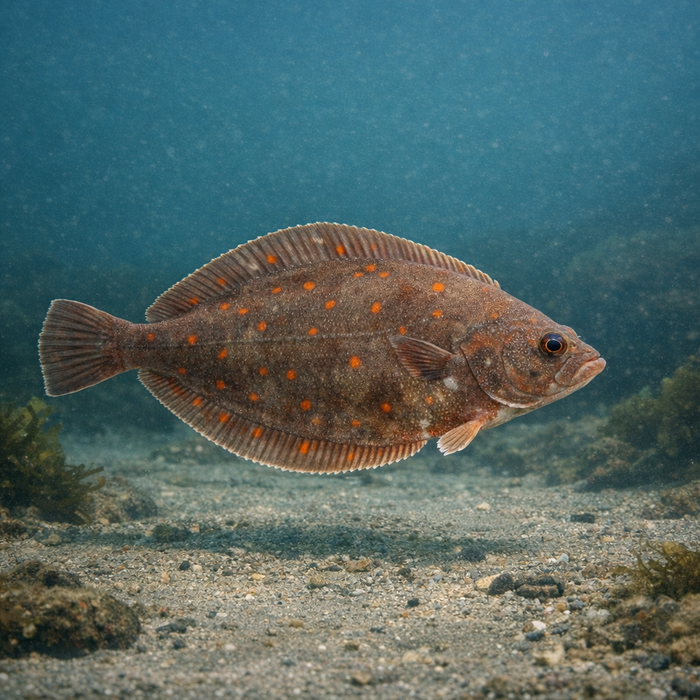
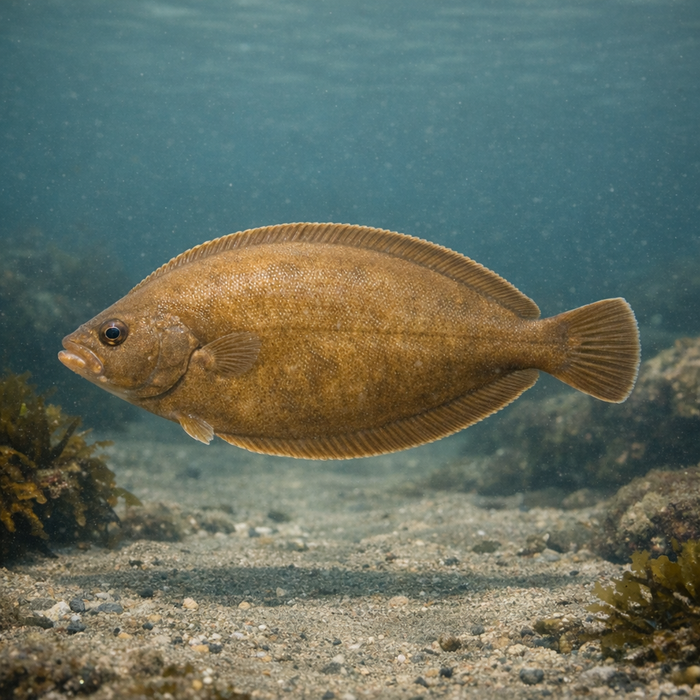
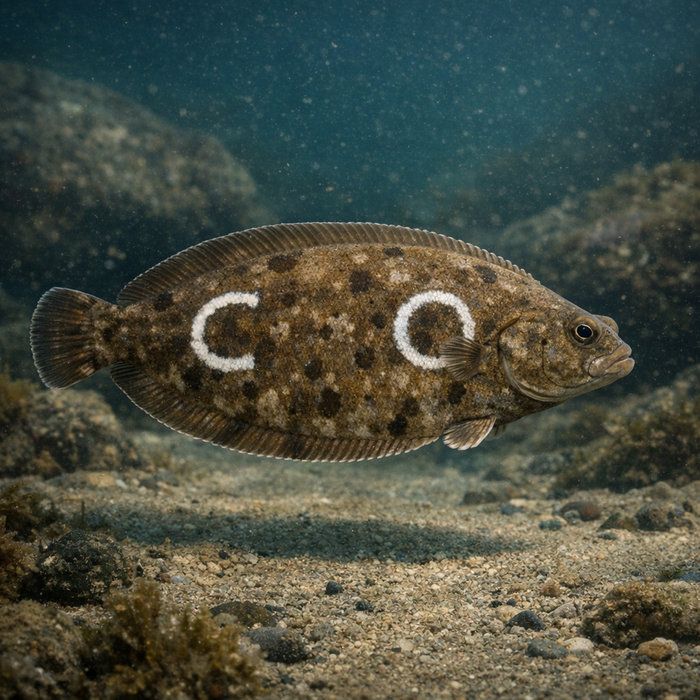
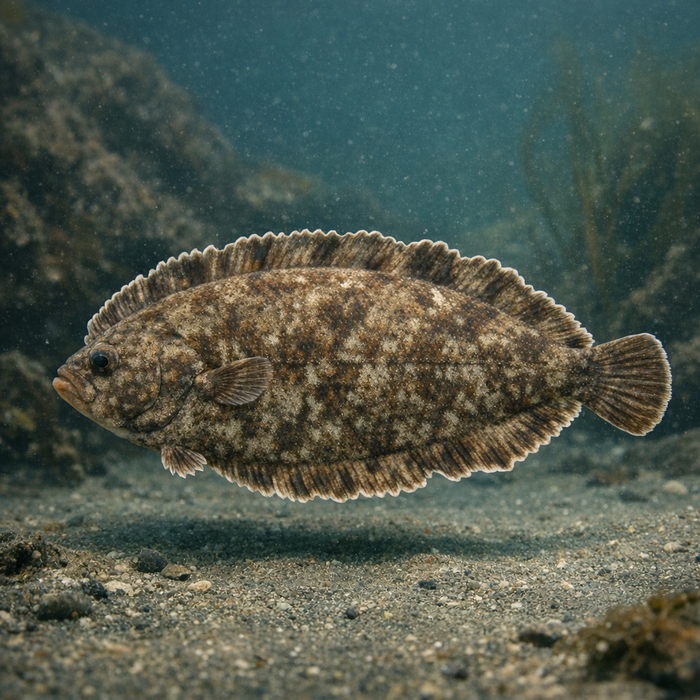
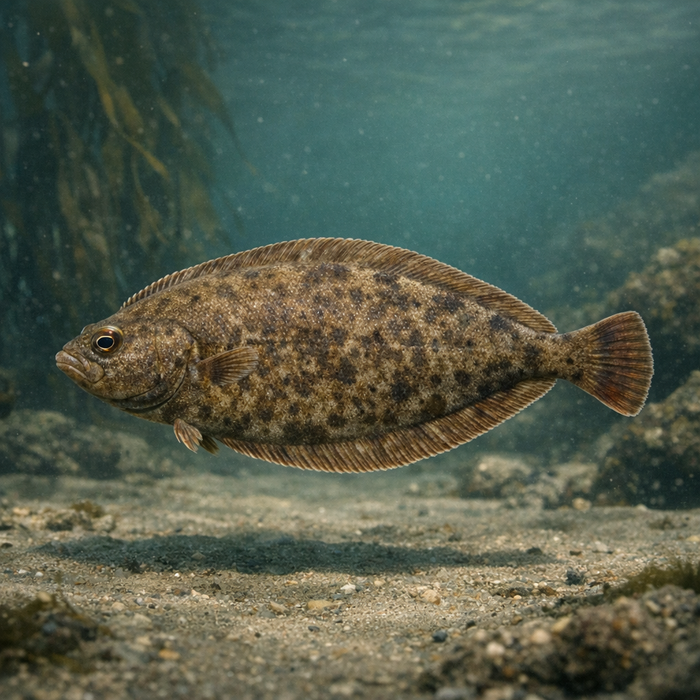
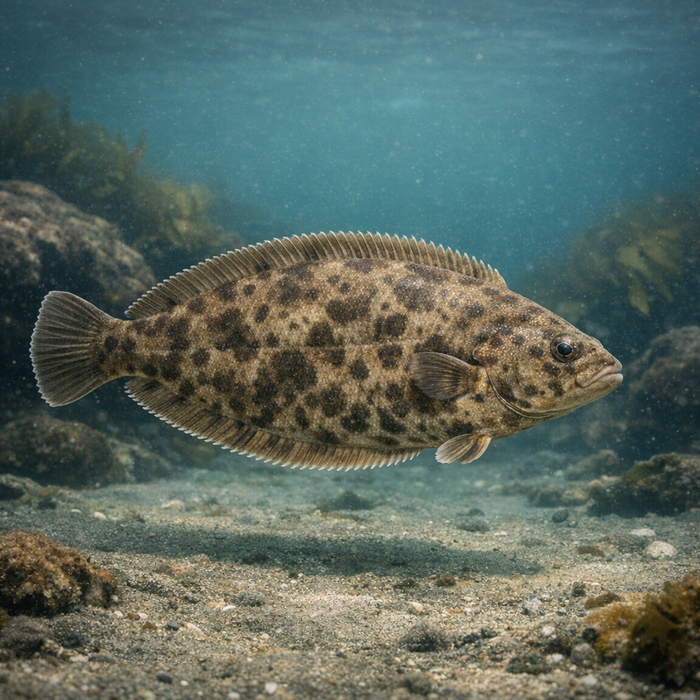
Yellowfin Sole (Limanda aspera): Cold-Water Flatfish That Pays The BillsIntroductionMeet the unsung workhorse of the North Pacific. The yellowfin sole won't blister drags or leap for your Instagram, but it absolutely dominates the fillet count wherever it swims. If you fish Alaska's cold shelves or hop on a groundfish charter that pokes around sandy bottom, you've likely met this right-eyed flounder with mustard-tinted fins. It's the kind of fish that sneaks up on you, literally, from the mud - and then sneaks into your dinner rotation because the meat is clean, white, and versatile. If you came looking for honest Yellowfin sole facts with a little attitude, you're in the right place.What Makes the Yellowfin sole Unique?First, those fins. The yellow tinge isn't marketing fluff - fresh-caught fish flash a golden edge that stands out against their sandy camo. Second, they're specialists with tiny, underslung mouths built to vacuum worms and small clams. You're not fooling a tuna here; you're feeding a benthic forager that hugs bottom like it's glued there. Third, scale. The yellowfin sole is a heavyweight in commercial landings by sheer tonnage, proof that this species thrives across huge cold-water flats and keeps coming back for more.Habitat & Global RangeIf you're hunting Yellowfin sole habitat, think cold, shallow to mid-depth continental shelves with soft sand or mud. The fish range across the Bering Sea, Gulf of Alaska, and westward to Asian waters like the Sea of Okhotsk. They slide inshore during warmer months, then push off to slightly deeper wintering grounds as temperatures drop. Depths can be as skinny as nearshore shoals to a couple hundred feet on open shelf, but the constant is soft substrate. Rock gardens and reefs are fine for other fish; yellowfin sole want the flats.Behavior & TemperamentYellowfin sole are not brawlers. They hit with a load-up, not a slam, and once they're riding the sinker it's mostly steady pressure to the net. What they lack in fight, they make up for in willingness when you've got bait on bottom. They travel seasonally, sometimes over long distances, following temperature and prey. While not exactly a tight schooler like sardines, they do stack on productive flats, so once you find one, it's rarely alone. Feed windows are tied to tide and current, but they're generous biters in stable conditions.Ecological ImportanceThis flatfish fuels the cold-shelf food web from both directions. As efficient invertebrate grazers, they convert worms and small clams into protein available up the chain. In turn, larger predators and marine mammals take their share, especially when fish concentrate on predictable flats. Healthy yellowfin sole populations signal a productive, intact benthic community - the kind of muddy, unglamorous habitat that quietly runs the ocean's pantry.Conservation & Environmental PressuresGood news first: management in Alaska has kept yellowfin sole stocks in solid shape, aided by careful monitoring and massive datasets. But nothing in the ocean lives in a bubble. Climate shifts can shuffle temperature lines and prey distributions across the shelf, potentially moving where and when the fish pile up. Bottom-contact gear, if unmanaged, can scuff sediments and invertebrate beds they rely on. Smart, area-based management and conservative quotas help, and so far the species wears a comfortable status while still feeding a lot of people.The FishyAF TakeYellowfin sole are honest fish. They don't throw tantrums on light tackle, and they won't make magazine covers. But if you like a quick bend, steady action, and a cooler full of reliable fillets, they're your huckleberry. For anglers, the game is simple: find soft bottom in the right depth band, keep bait pinned, and let the flats do the work. For eaters, this is mild, lean, weeknight gold. Call them humble if you want - we call them dependable. That's worth celebrating, and it's why yellowfin sole keep winning on working boats and weekend charters alike.