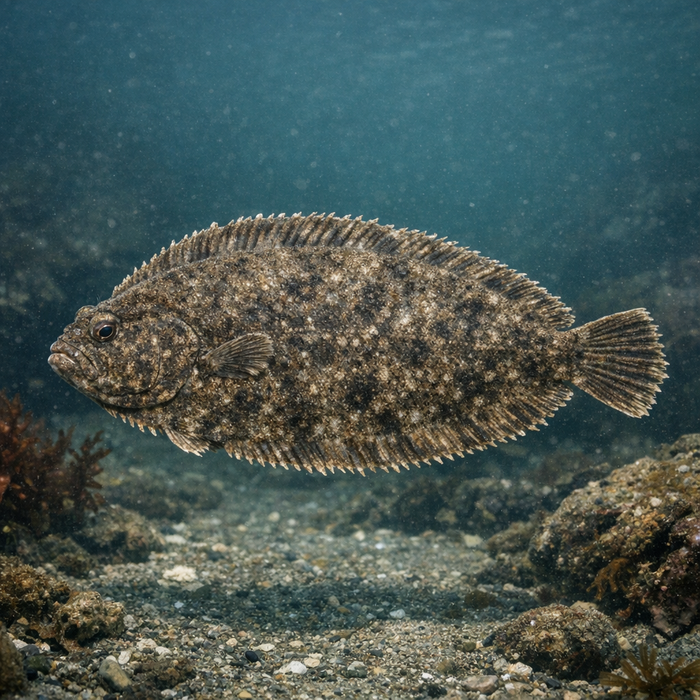
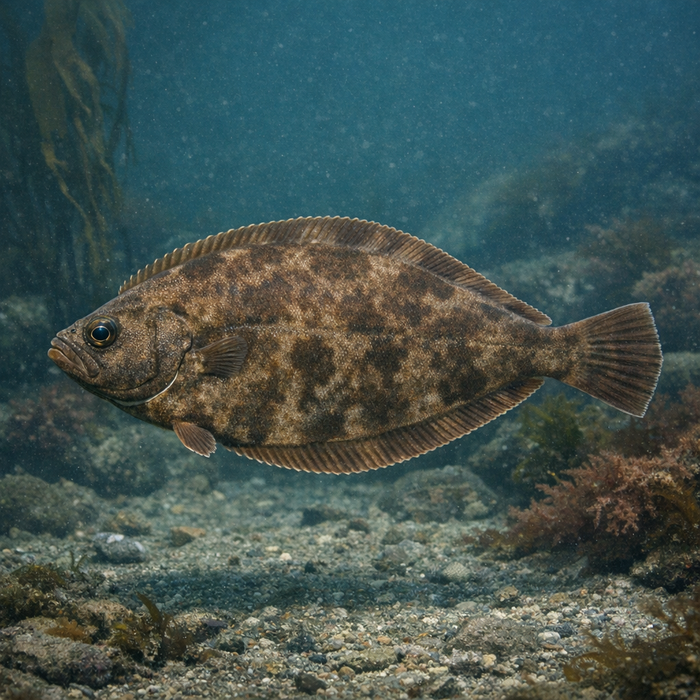
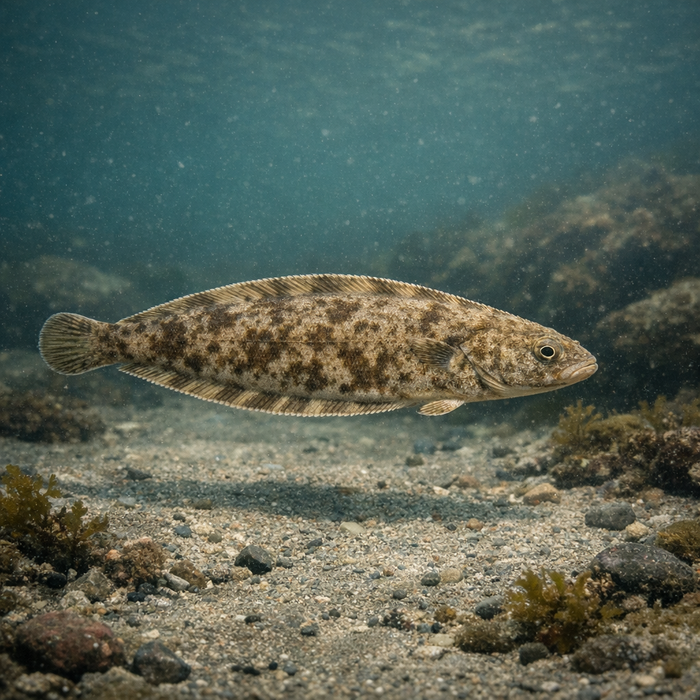
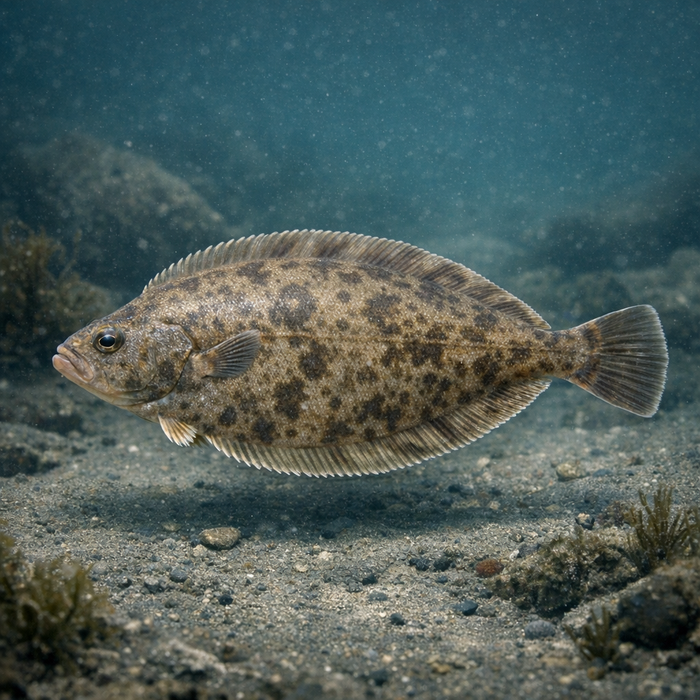
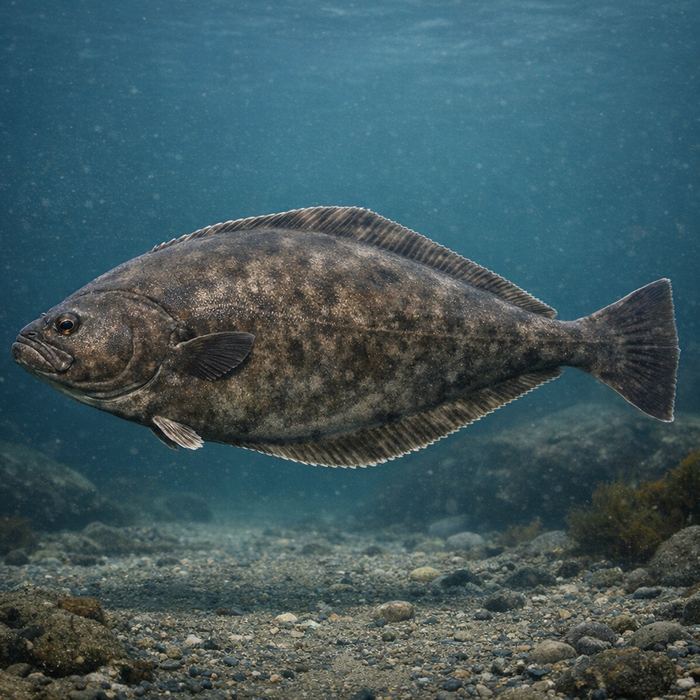
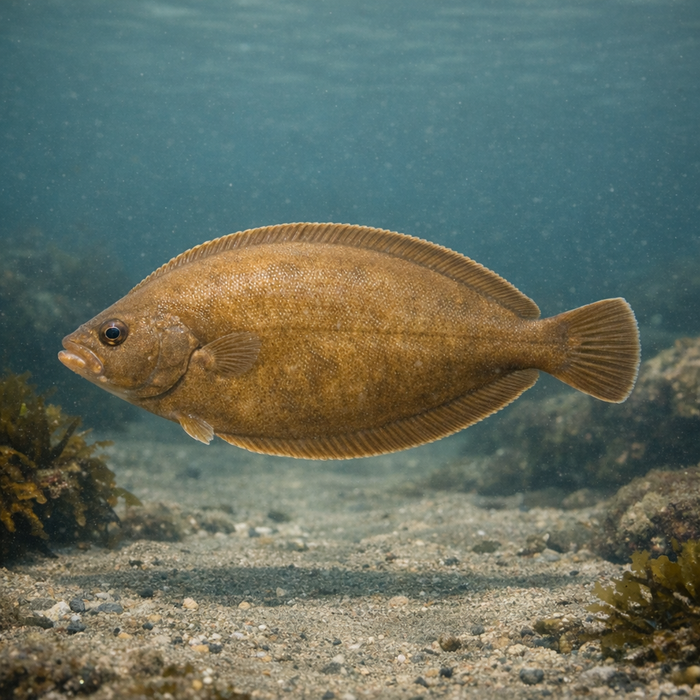
Dover Sole (Microstomus pacificus): West Coast flatfish royalty hiding in plain mudIntroductionThe Dover sole anglers talk about on the West Coast is not the same fish as Europe's famous table fare. This one, Microstomus pacificus, is the Pacific Dover sole, a right-eyed flatfish that rules the deep mud like a sneaky landlord. It is not flashy. It does not leap. But when you drop baits into the gloom and feel that polite tap at 700 feet, you are knocking on the door of a seriously underrated fish. The Dover sole is abundant, well-managed, and delicious if you treat it right, which makes it a quiet star in the groundfish lineup.What Makes the Dover sole Unique?Start with the name: Microstomus translates to small mouth, and the fish lives up to it. That tiny mouth defines how you hook them, which baits stay pinned, and how often they spit a sloppy rig. Second, these fish are deep-life specialists. The Dover sole spends most of its time on the continental shelf and slope, often hundreds of fathoms down, where light is a rumor and temperatures can skim the edge of frigid. Third, they are long-lived for such modest size, frequently reaching decades and occasionally passing the 50-year mark. Add a winter spawning strategy that lofts buoyant eggs off the bottom, and you have a flatfish built to thrive in tough water.Habitat & Global RangeThis is the Dover sole of the North Pacific, from Baja California to the Gulf of Alaska and the eastern Aleutians. If you are hunting Dover sole habitat, think soft bottoms, gentle contours, and the edges of submarine canyons rather than coral or rock gardens. Depth is the headline. While juveniles and some adults make forays shallower, the core fishery happens deep on mud or silty sand. Along the U.S. and Canadian West Coast, commercial trawls and recreational deep-drops intersect with these fish on predictable offshore grounds, especially in winter and early spring when they shift to spawn.Behavior & TemperamentDover sole behave like careful grazers of life on and in the bottom. They are not aggressive sprinters. Expect gentle, precise taps followed by a slow, stubborn weight rather than brawling runs. They roam to feed, but not far off the deck, and they use color-shifting camouflage to sink into the mud. This is a patient fish in a patient environment. The bite often improves when currents ease and your rig can actually hold bottom without skating.Ecological ImportanceDespite the chill vibe, the Dover sole plays a lively role in deep-benthic food webs. It preys on invertebrates and small fishes and, in turn, becomes calories for larger groundfish, halibut, and marine mammals. Because it is numerous and long-lived, the species packages energy from the deep shelf and slope into forms many predators can use. Commercially, the Pacific Dover sole is a mainstay of trawl groundfish landings, and that consistent abundance helps stabilize West Coast fisheries.Conservation & Environmental PressuresThe species is managed in robust groundfish plans in U.S. and Canadian waters, and stock assessments generally show stable or healthy biomass. The bigger concerns ride with the neighborhood: deep trawling footprint, bycatch, and habitat contact on soft bottom. Regulations, gear modifications, and area closures have cut impacts substantially in the last two decades. Climate change could shift the deck by altering oxygen minimum zones and thermal layers on the slope, nudging Dover sole deeper or into new pockets of suitable mud. So far, the fish seems adaptable, but long life and slow growth mean smart management always matters.The FishyAF TakeThe Dover sole will not tear line or light up your Instagram. What it will do is make your day if you like solving a quiet puzzle at depth and bringing home clean, mild fillets. For anglers willing to fish deep, feel tiny bites, and keep baits tidy, Dover sole delivers. It is a blue-collar win: steady, accessible with the right setup, and a master class in reading current and bottom. File this under Dover sole facts you can use: pick soft bottom, keep contact, and believe that little tap. This species is proof that not every great fish needs fireworks. Sometimes great tastes like a perfect piece of white fish from the deep, and that is exactly the Dover sole's lane.