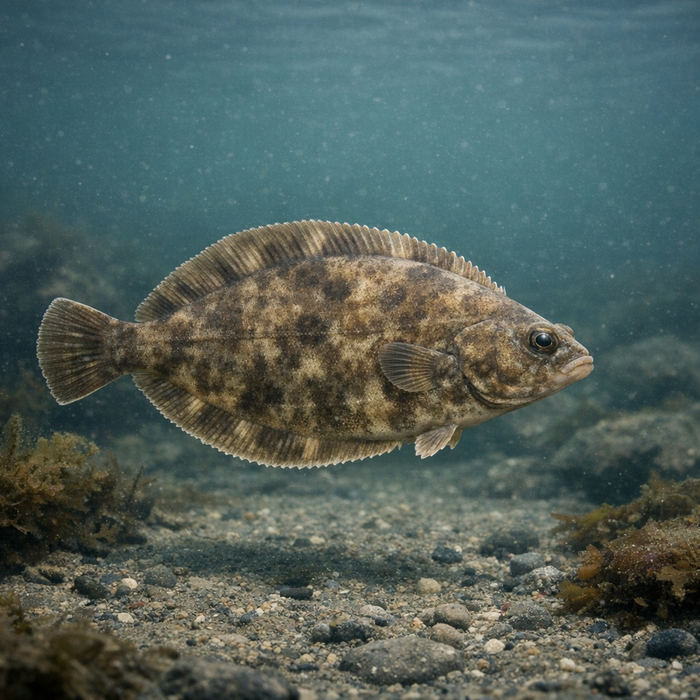
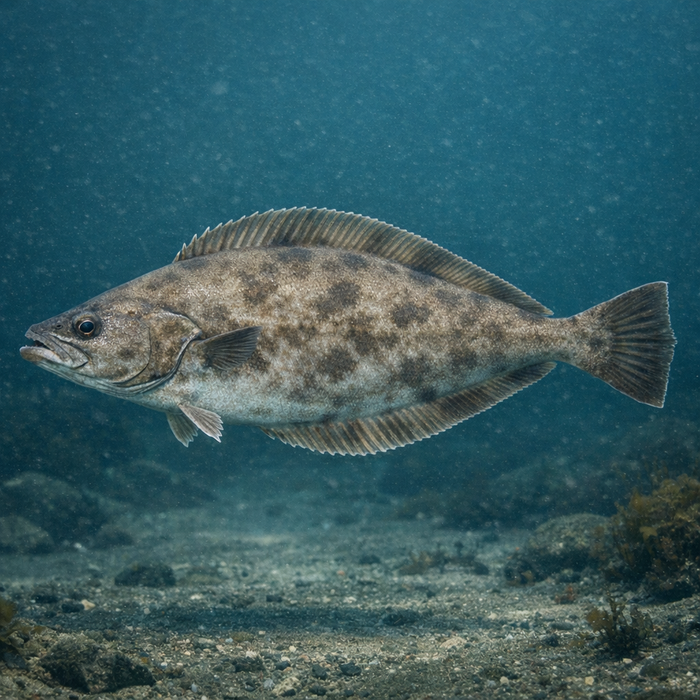
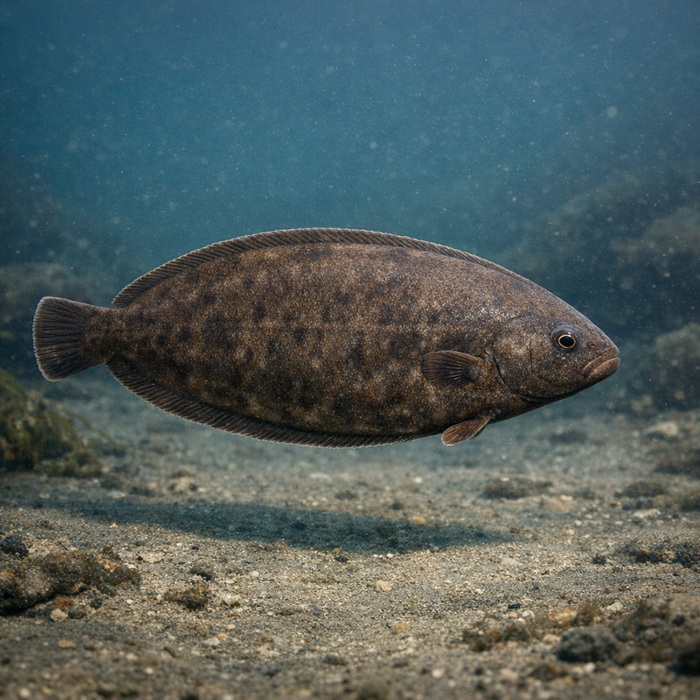
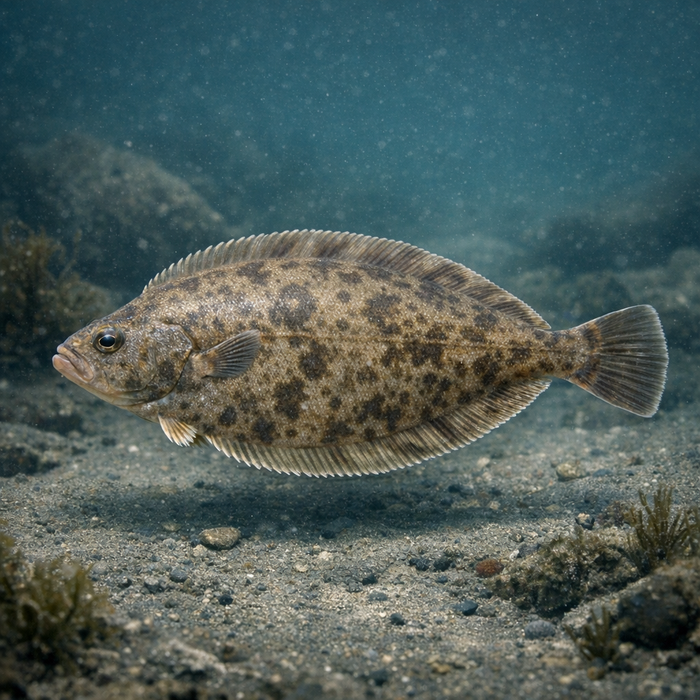
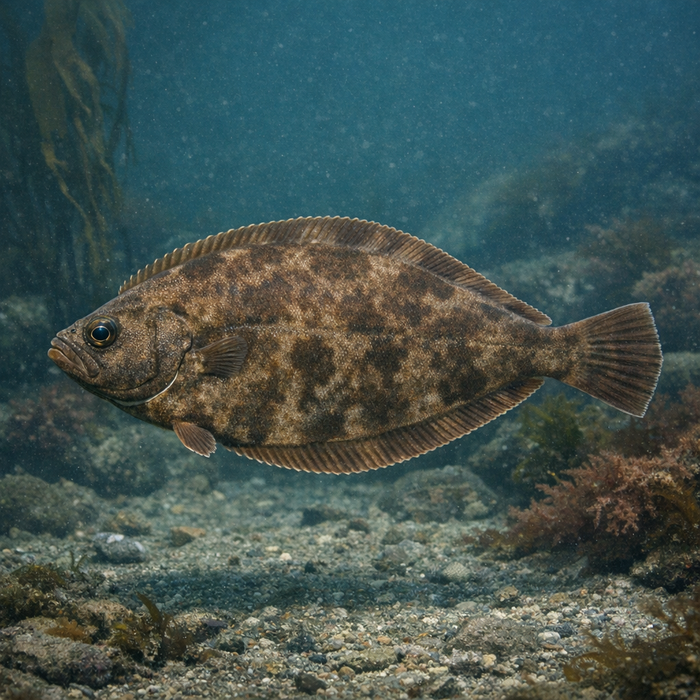
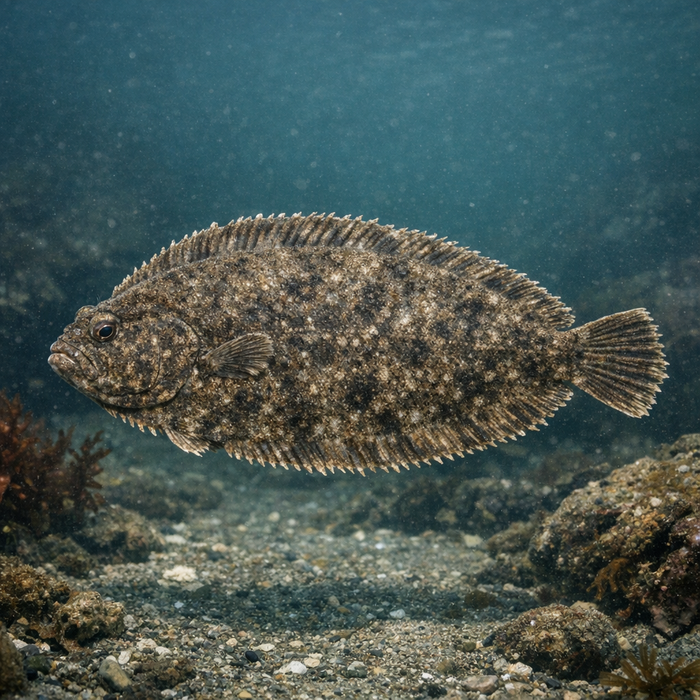
Lemon Sole (Microstomus kitt): A Bold, Memorable Hook LineIntroductionThe lemon sole is the quiet assassin of the North Atlantic flats-no circus colors, no drag-melting runs, just a stealthy slip of a flounder that rewards anglers who pay attention. If you've ever watched your rod tip bounce gently like someone tapping Morse code, you've probably met one. This is a fish of clean gravel, tidy rigs, and subtle bites. Get those right and lemon sole become more than bycatch-suddenly they're the target. Consider this your fast track to legit Lemon sole facts and understanding.What Makes the Lemon sole Unique?Start with the mouth. Microstomus literally means small mouth, and it's a perfect description. Lemon sole excel at pecking delicate offerings-worms, tiny sandeel pieces, shrimp-without telegraphing much more than a nodding tip. Second, the look. Their upper side carries warm marbled browns with orange flecks, a sharp lateral-line curve above the pectoral fin, and a texture that feels like fine sandpaper. Third, behavior. Lemon sole are blend-in specialists, shifting tone to match gravel and cobbles, then pouncing with pickpocket precision.Habitat & Global RangeLemon sole habitat skews toward cool-temperate shelf waters in the Northeast Atlantic, particularly around the British Isles, the North Sea, Norway, and the Celtic fringe down toward the Bay of Biscay. They favor clean gravel, coarse sand, and lightly broken ground from inshore banks to deeper nearshore drifts, typically a few tens of meters down to well over 100. You'll see occasional shore captures from piers and deep-water rock marks, but most quality fish come from small boats drifting tidy presentations along tide-swept edges and humps where food is moving.Behavior & TemperamentLemon sole are ambush feeders with gentle manners. They bury when visibility or pressure is high, then lift off the deck to intercept morsels that tumble past. Think picky, not powerful. Bites are often faint taps, and hook-ups improve with smaller hooks, supple tips, and enough lead to keep your rig pinned. They're not school fish in the dramatic sense, but they do gather where substrate, current, and prey align. Expect better action in moving water, a touch more life at dawn and dusk, and fewer hero moments in a screaming tide.Ecological ImportanceThis species is a mid-shelf link in the food chain. Lemon sole vacuum up polychaete worms, little crustaceans, and other benthic bits and, in turn, feed larger fish and marine mammals. Their camouflage and cautious feeding help distribute energy from the invertebrate layer upward without broadcasting their presence, a quiet engine helping run busy North Atlantic food webs. Because they cue so tightly to substrate and current, changes in seabed condition or chronic silt from human activity can translate quickly into fewer fish.Conservation & Environmental PressuresMicrostomus kitt sits at Least Concern, but that's not a lifetime guarantee. Trawl pressure on mixed grounds, warming seas nudging distribution, and localized habitat degradation all matter. Lemon sole are fussy about bottom quality; muddy out a gravel bed and you've closed a restaurant. Recreationally, the risk isn't single-anglers hammering limits; it's cumulative: rough handling, mixed-bag discards, and poor release practices. Keepers are excellent table fare, but selective harvest and accurate ID keep fisheries honest.The FishyAF TakeThe lemon sole won't headline your brag board, but it will make you a better angler. Dialed-in rigs, sharp bait prep, feeling for those featherlight knocks-this species forces focus. You'll learn more in one tight, productive drift for lemon sole than a dozen random drops elsewhere. If you're craving subtlety with a side of superb fillets, target them on purpose and stop calling them bycatch. That small mouth demands respect, and once you crack the code, you'll wonder why you ever drifted past.