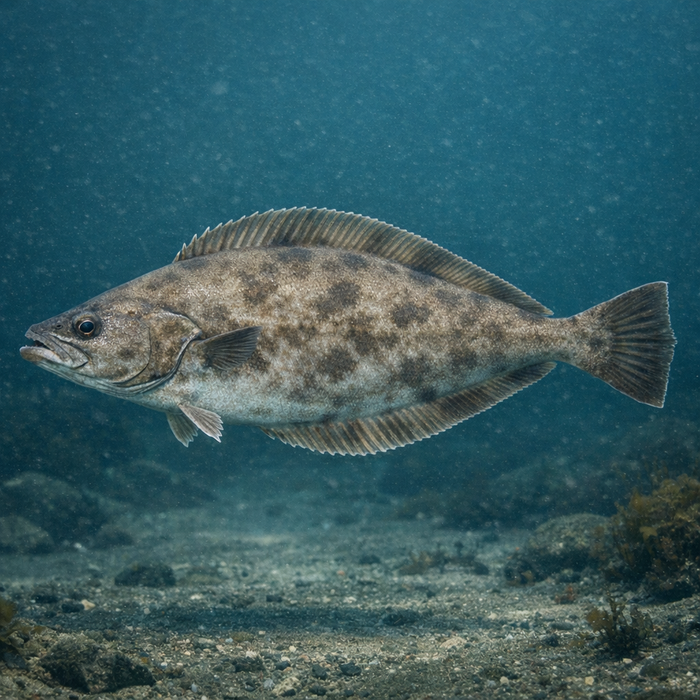
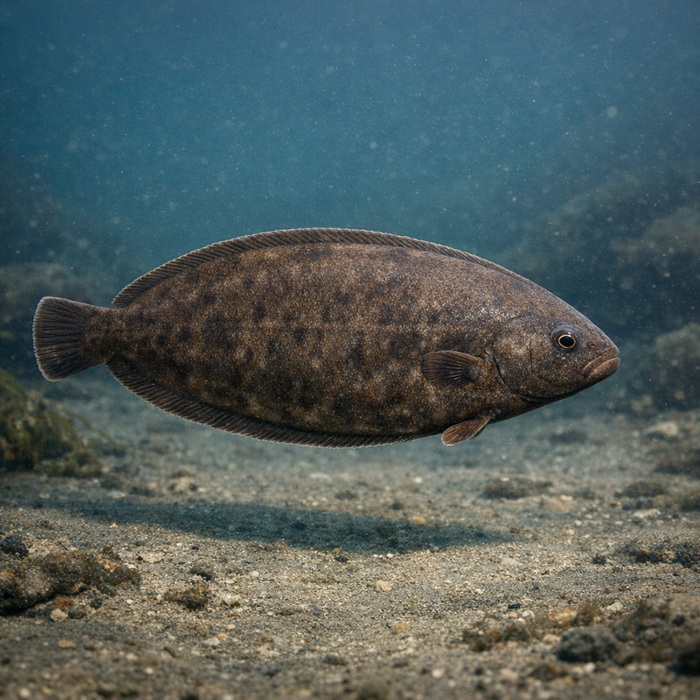
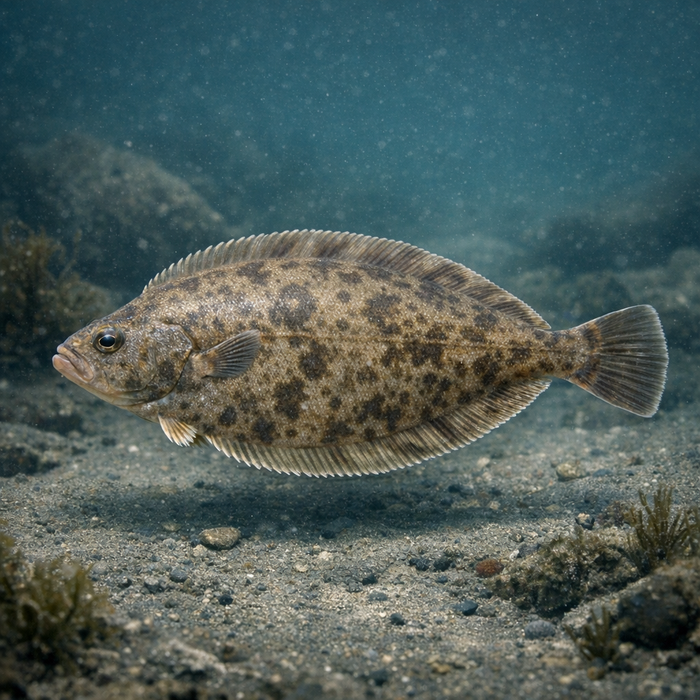
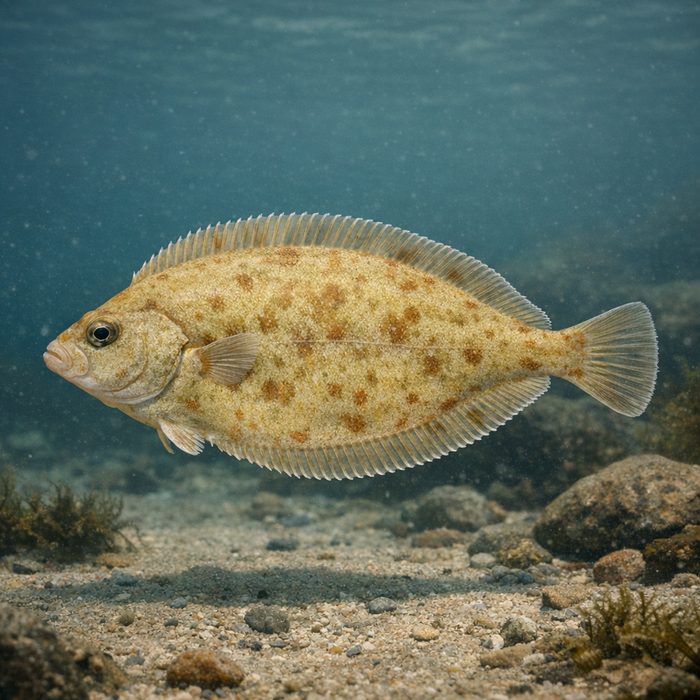
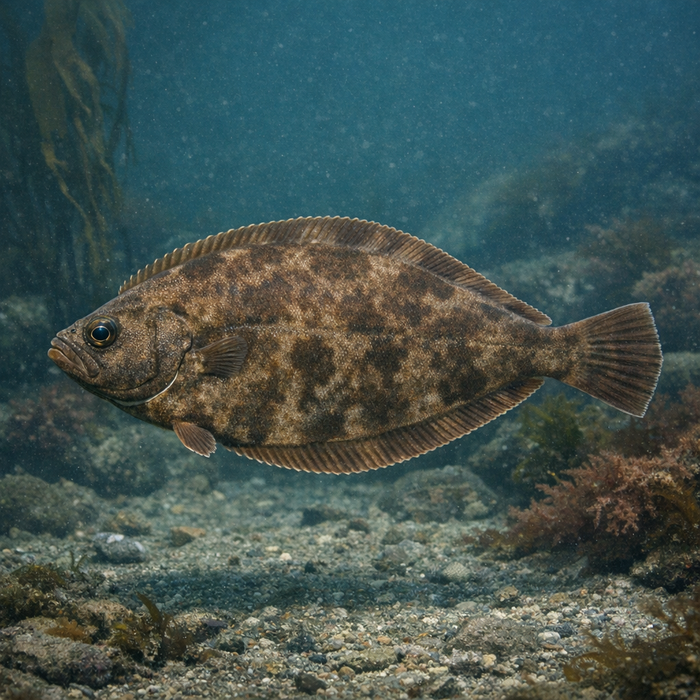
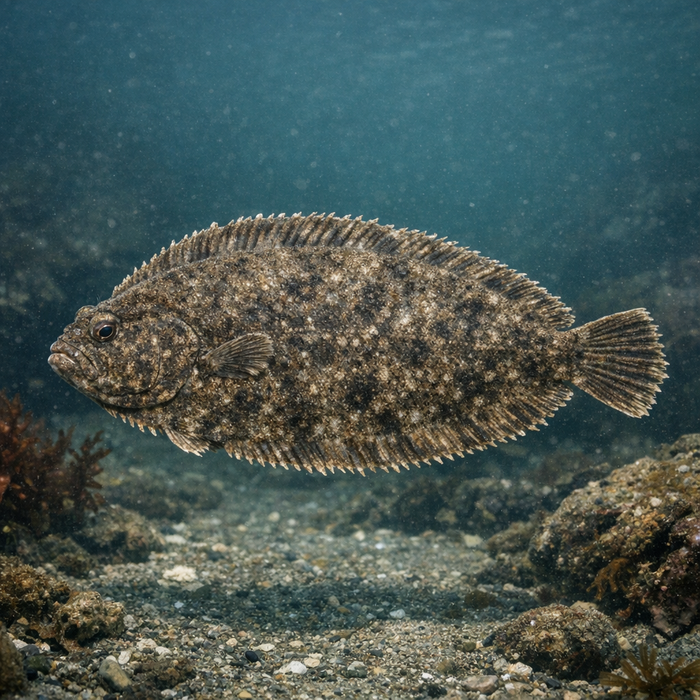
Arctic Flounder (Liopsetta glacialis): A Bold, Memorable Hook LineIntroductionThe Arctic flounder is the little bottom ninja of the far north, slipping between salt and freshwater like it has a backstage pass. It's small, sneaky, and absolutely wired for cold. If you want a fish that thrives under ice and laughs at salinity swings, this is your weirdo. Here's the straight talk and legit Arctic flounder facts, minus the fluff.What Makes the Arctic flounder Unique?Start with euryhalinity, the ten-dollar word for "can handle wild salinity changes." Arctic flounder take that to heart, cruising from briny bays into nearly fresh river water without melting down. Second, they're fully operational under sea ice. While other fish go sulk-mode, this flattie still eats and moves in near-freezing water. Third, the species stays compact. You won't brag about a 30-pounder here, but you will respect how perfectly it's built for mud, silt, and winter's worst.Habitat & Global RangeIf you're chasing Arctic flounder, think high-latitude edges. They are classic residents of brackish estuaries, lagoons, and the lower reaches of Arctic rivers from Alaska's north and west coasts across the Russian Far East to northern Europe, including the White and Barents Seas. The archetypal Arctic flounder habitat is simple and muddy: soft-bottom channels, tidal sloughs, and flats that go from tea-brown to milky-green depending on meltwater and tide. Depth is modest. Picture knee-deep to a couple fathoms, sliding deeper when currents rip or temperatures swing. They'll also push upriver during ice-free months, working eddies and current breaks where fine sediment collects.Behavior & TemperamentArctic flounder are ambush artists. They settle, bury, and wait. Movement is all about micro-shifts: a tail flick, a scoot, then a sudden burst to pin a worm or small crustacean. Bites are subtle, more weight than wallop, and hook-sets reward patience. They aren't bruisers, but a short sprint and stubborn pancaking on the bottom will keep you honest. Expect the action to cluster around tide changes in estuaries and around gentle current seams in rivers. Under ice, they hold predictable lanes near river mouths and channel edges, turning on when light and flow nudge forage.Ecological ImportanceThe Arctic flounder connects marine and freshwater food webs in places where the calendar is basically winter with intermissions. By grazing on invertebrates in brackish shallows and then becoming prey for seals, birds, and larger fish, they move energy up the chain. Their burrowing and constant repositioning also churns the sediment, which can help keep benthic communities lively in habitats with scant vegetation.Conservation & Environmental PressuresAs of now, the Arctic flounder sits in a decent spot, with no major global collapse stories attached. That said, their world is changing fast. Ice timing, freshwater pulses, and coastal salinity gradients are shifting with climate. Industrial activity in Arctic estuaries, plus localized pollution, can ding nursery zones. Because these fish are small and overlooked, data gaps are real. The absence of alarm bells doesn't equal invincibility; it just means the species lurks outside the spotlight.The FishyAF TakeThe Arctic flounder isn't flashy. It's a pocket-sized specialist that wins by thriving where most fish give up. For anglers, the charm is in the challenge of location, not the fight. Nail the "where" and this fish delivers steady, satisfying checks on your bottom rig. If you collect species like stamps, add the Arctic flounder to your list. It's simple gear, subtle bites, and plenty of Arctic flounder habitat to explore-just bring warm layers and respect the tides. The fun part isn't a trophy photo; it's learning to read muddy seams, ice edges, and that precise moment when cold water comes alive.