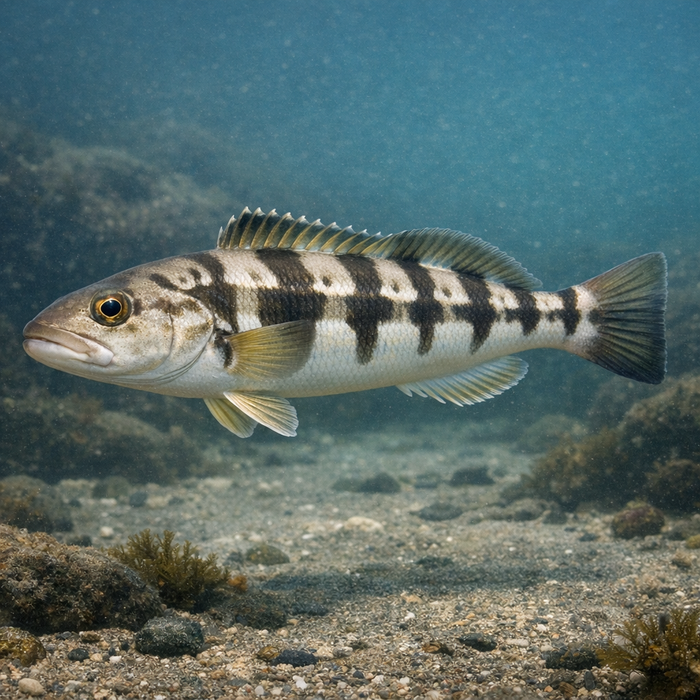
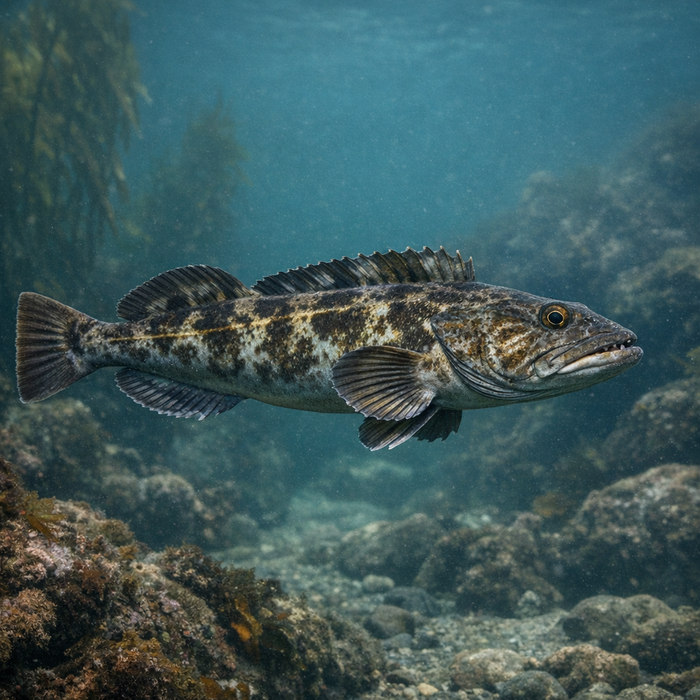
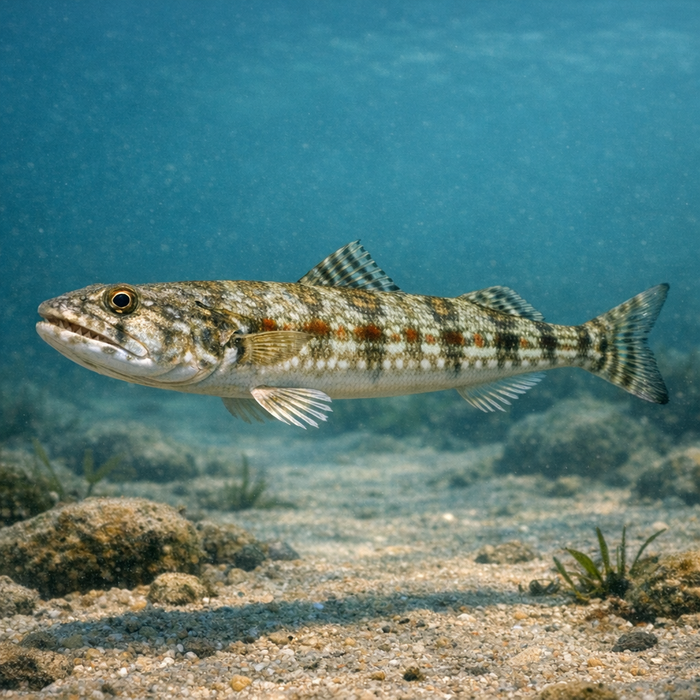
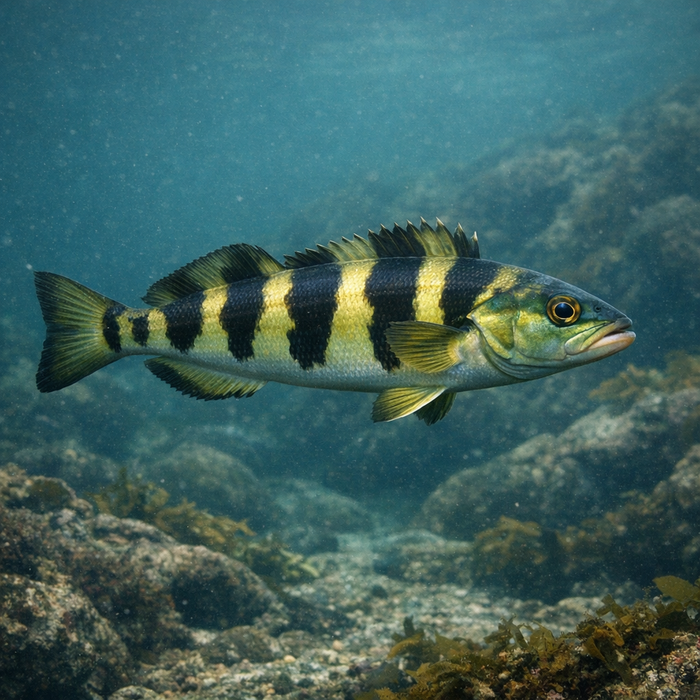
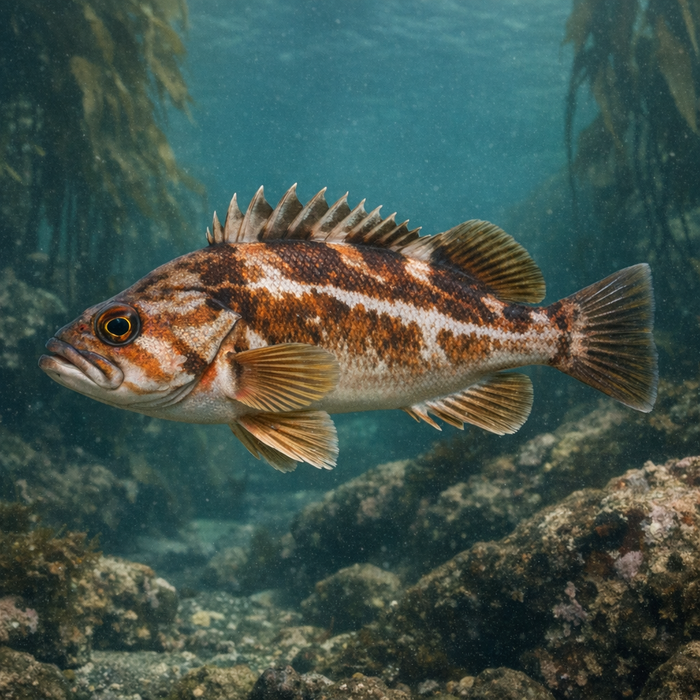
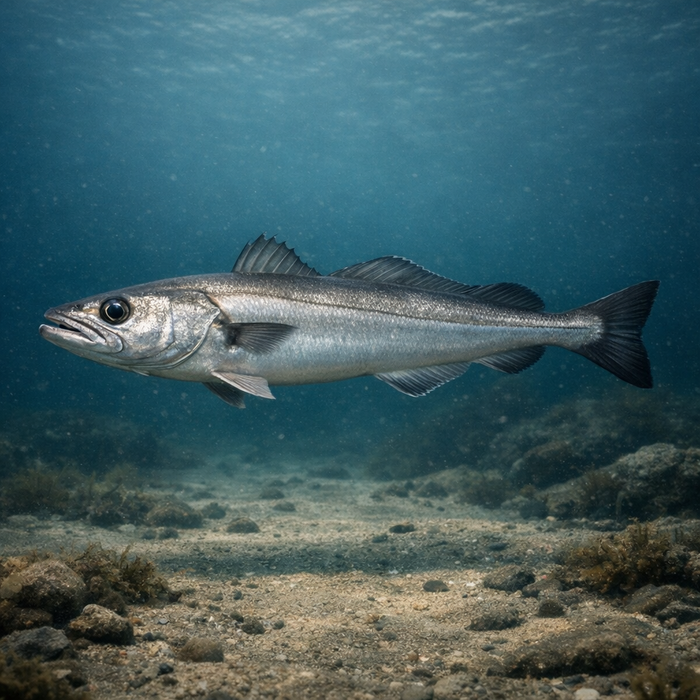
Namorado Sandperch (Pseudopercis numida): The shelf sniper that turns taps into dinner.IntroductionIf you fish the southwest Atlantic, you've heard the name: namorado sandperch. Market favorite. Bycatch bandit. Tap-tap artist. It won't blow up drags like a tuna, but it will school sloppy anglers with clinical precision. This long, low-slung ambusher leans on the bottom like a lizard, then rockets forward in a blur. One moment your rig drifts happily; the next, a decisive thud and a stubborn headshake tell you the namorado sandperch won the argument.What Makes the Namorado sandperch Unique?Shape and stance, for starters. The namorado sandperch props on its stiff pectoral fins, front half lifted, scanning for shrimp, squid, and distracted baitfish. It has that crisp, high lateral line and a mouth armed with canines built for pinning slippery prey. Mature males can light up with blue head speckling and bolder flank bars, a subtle display that says business without shouting. It's not just a bottom hugger; it's a bottom tactician, making micro-moves along sand channels and the reef-sand edge where life funnels past.Habitat & Global RangeThe namorado sandperch is a southwest Atlantic specialist, especially along Brazil's southeast shelf, down through Uruguay and into Argentina. Think shelves with texture: sand waves, shell beds, rock patches, scattered coral, and wrecks. That rim where hard and soft bottom meet is classic namorado sandperch habitat. Depth-wise, it's a shelf regular, commonly fished in 20 to 120 meters depending on season and water temperature. If you're looking for Namorado sandperch habitat in plain terms: coastal reefs and sandy patches near structure, with some current to deliver groceries. Upwelling zones like Cabo Frio can supercharge the bite by stacking forage tight to the bottom.Behavior & TemperamentThis species operates like a coiled spring. It lounges, calibrates, and then darts. Expect short, decisive chases rather than long pursuits. When hooked, the namorado sandperch fights with heavy headshakes and angle-changes that punish clumsy tension. It loves edges and will use even minor relief to break your line of pull. Bites can be feather-light-taps and lifts-and the bigger fish often mouth a bait twice before committing. It rarely schools tight like jacks; think loose clusters along productive lanes. Typical feeding windows track current pulses and low-light periods, though a firm drift over fresh ground can spark daytime action.Ecological ImportanceOn the shelf, the namorado sandperch helps link benthic prey to larger predators by both eating and being eaten. It trims populations of fast-breeding invertebrates and small fish, and it's a solid calorie package for bigger reef hunters. That perching, ambush style conserves energy and spreads pressure across the bottom, a small but clever strategy in an ecosystem where everything either eats, hides, or runs. Healthy namorado sandperch numbers often signal a bottom that's still producing the shrimp, cephalopods, and juvenile fish that fuel the entire nearshore food web.Conservation & Environmental PressuresStatus-wise, Pseudopercis numida isn't a headline species, and formal global assessments are thin. It shares water with trawl fleets, pot lines, and heavy recreational effort aimed at snapper and grouper. Habitat scarring from poorly managed bottom gear and localized overharvest can nick away at the structure they depend on. Water quality swings, coastal runoff, and warming events also shift where and how long they hold on certain grounds. Translating the basics of responsible reef fishing-selective tackle, accurate IDs, and restraint on small fish-goes a long way for the namorado sandperch and everything else living on that edge.The FishyAF TakeThe namorado sandperch is the quiet assassin of the southern shelf. It won't headline your brag board, but it will expose lazy drifts, dull hooks, and bad bait. Tackle up like you mean it, feel for those sly taps, and feed the strike with intent. Treat it like a target, not an accident, and you'll stack clean fillets while everyone else blames the current. If you're chasing real Namorado sandperch facts: it's not mysterious, just unforgiving of slop. Fish tight to the reef-sand seam, stay in contact, and let the pings in your blank translate into dinner. That's the namorado sandperch-zero drama, maximum consequence.