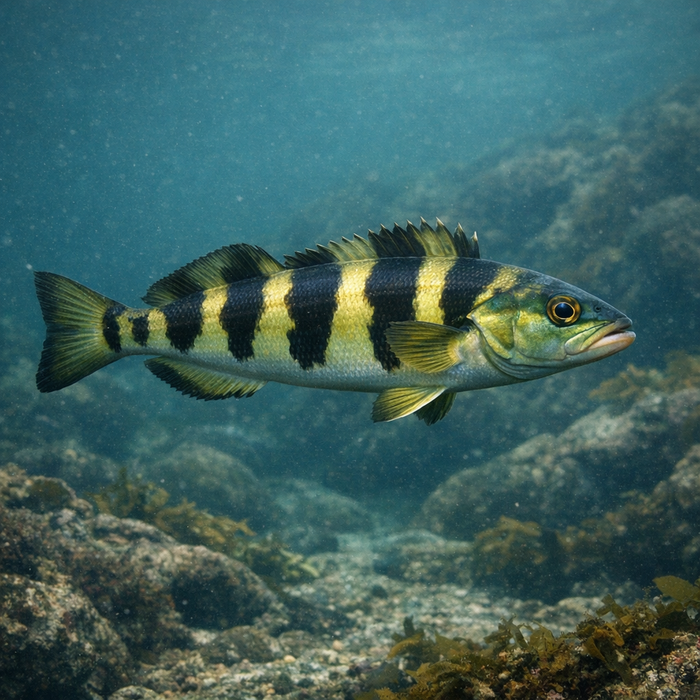
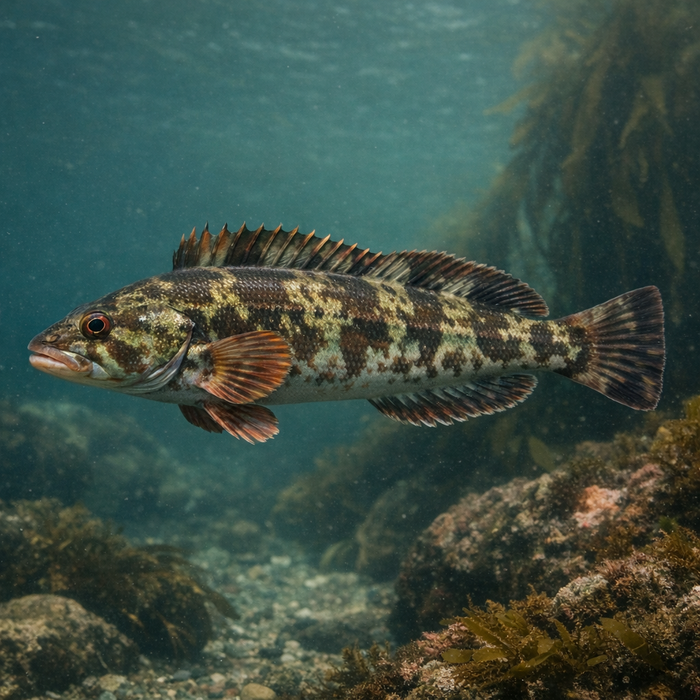
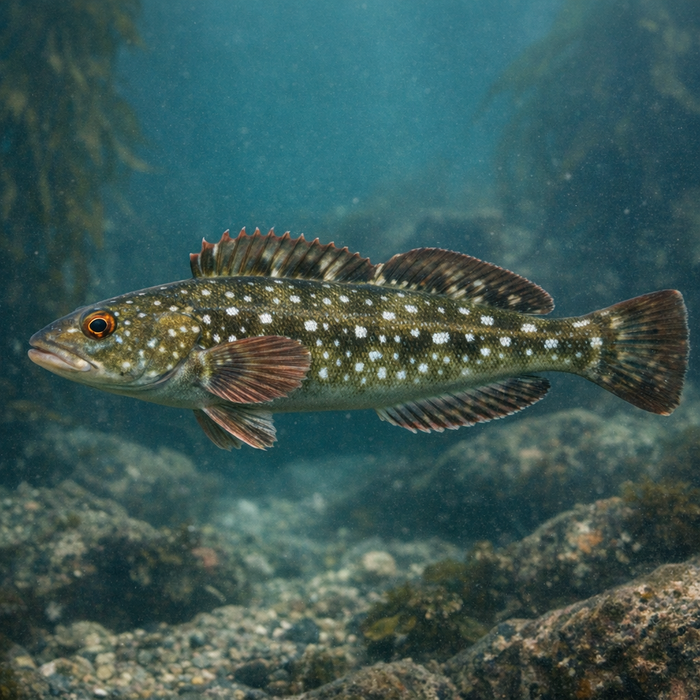
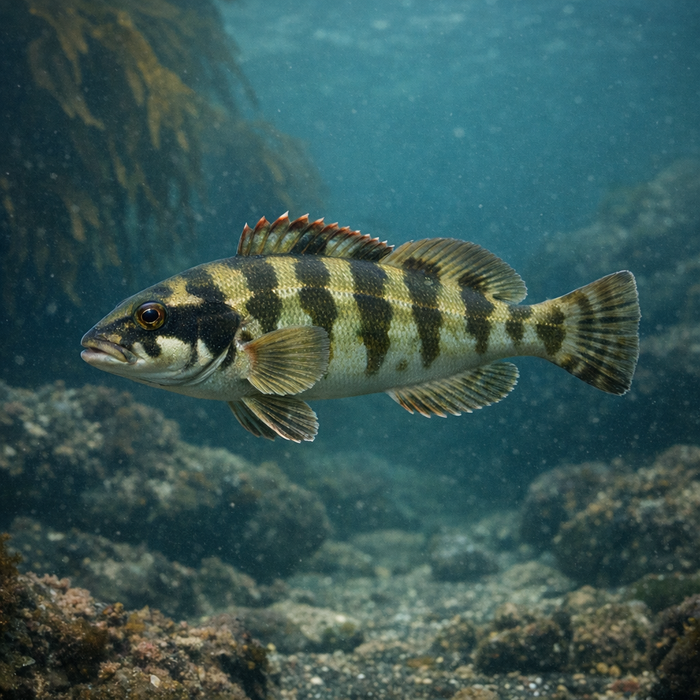
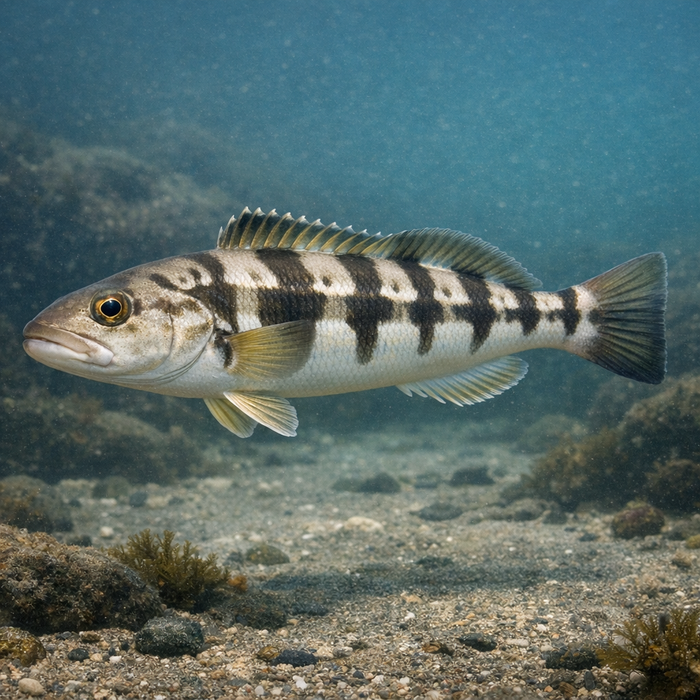
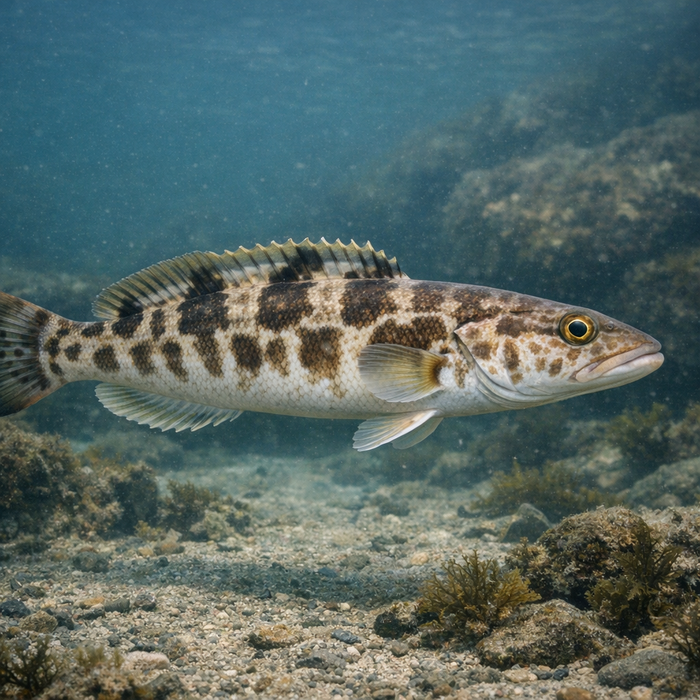
Lingcod (Ophiodon elongatus): The Reef Bouncer With a Grudge and a GapeIntroductionA lingcod looks like a grouchy submarine with teeth, and it fights like one too. Hug the rocks where the current breaks and you will meet this ambush artist. The lingcod blends brute power, gnarly habitat, and shocking table quality, which is why anglers obsess. Consider this your crash course in Lingcod facts before you drop a jig into the rocks.What Makes the Lingcod Unique?Start with the mouth. Lingcod have a massive, tooth-lined maw that seems magnetized to anything edible. They do not nibble. They detonate. Add the weird factor of blue-fleshed individuals, courtesy of the pigment biliverdin that somehow ends up in their tissues. Then there is the attitude. Males post up on nests for weeks, defending eggs with the conviction of a bouncer on payday. Together, those traits make the lingcod unforgettable: part apex look, all predator behavior, and a deliciously edible result.Habitat & Global RangeLingcod live along the northeastern Pacific Rim, thriving from Baja California through the Pacific Northwest and into Alaska. The classic Lingcod habitat picture is steep rocky relief stacked with boulders, ledges, caves, and kelp. They hold where current funnels groceries, often on the up-current face of structure, and they slide deeper or shallower with seasons, weather, and pressure. Shallow reefs and kelp edges load up in spring as fish pair off and stage to spawn. Through summer and fall, they settle into home turf on rockpiles, wrecks, and pinnacles. They are homebodies compared to pelagics, but do roam short distances around food-laden structure.Behavior & TemperamentThe lingcod is the assassin of the bottom third of the water column. It lies in wait, then launches with an explosive burst that ends badly for anything smaller with gills. They are notorious for hitchhiking to the surface by clamping onto hooked fish and refusing to let go until a net appears. Females grow larger than males, and males perform the hardcore parental duty of nest guarding. During that stretch they are extra ornery and extra willing to nip intruders. Fights are blunt and vertical: big head shakes, grinding runs straight back to the rocks, and a stubborn, dogged pull.Ecological ImportanceAs a mid-to-upper tier predator on coastal reefs, lingcod keep the system honest. They thin out smaller fish and invertebrates, channeling energy up the food web while also serving as meals for bigger players like seals and big sharks. That push and pull helps balance reef communities. Their nest-guarding habit boosts egg survival, creating localized strong year classes when habitat is healthy. Where kelp forests remain thick, lingcod benefit from the grocery store effect of baitfish and crustaceans concentrating among fronds and boulders.Conservation & Environmental PressuresLingcod populations have seen cycles tied to fishing pressure and management. They are now managed more tightly on the West Coast and in Alaska with seasons, depth restrictions, and size or bag limits layered alongside rockfish protections. Habitat loss is not the same story as on land, but warming events, kelp declines, urchin booms, and shifting forage can ripple through reef systems. Fortunately, lingcod respond well when structure is protected and harvest is controlled, which is why many regions now fish sustainably for them. Still, local declines can happen where high pressure meets fragile habitat.The FishyAF TakeIf you crave tidy, open-water casting, lingcod will test your patience. If you like bruiser fish that smash jigs in the basement and try to break your heart against the rocks, welcome home. The lingcod is a straight-talking brawler with a culinary bonus, a fish that makes every drop count and every mistake expensive. Get the tide, the drift, and the angle right, and you will swear you felt the reef breathe before the thump. That is the charm of the lingcod: brutal honesty, zero pretense, maximum fun. For anyone hunting a new obsession, this is it. Now you know the real Lingcod facts. Time to meet one in its living room.