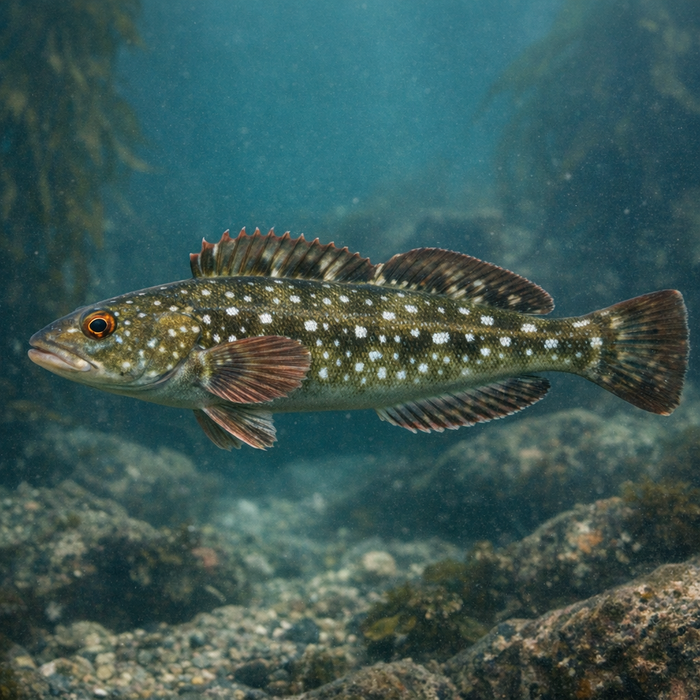
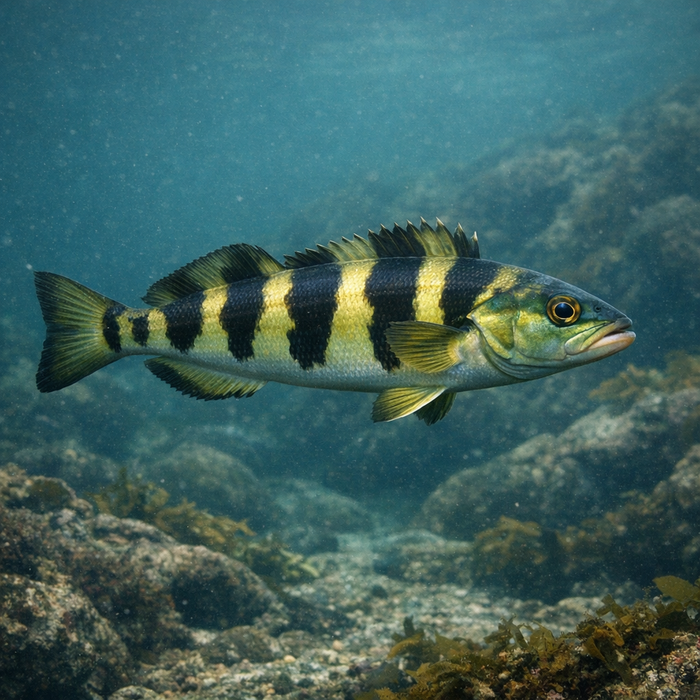
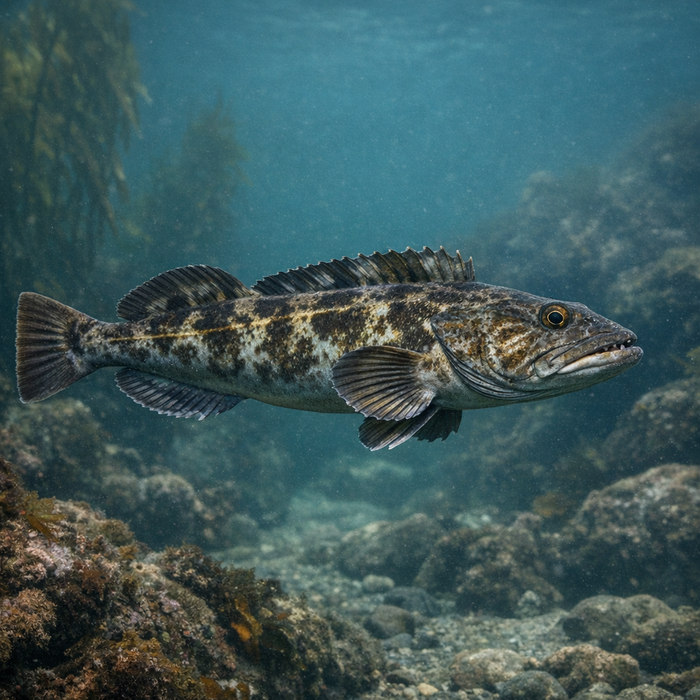
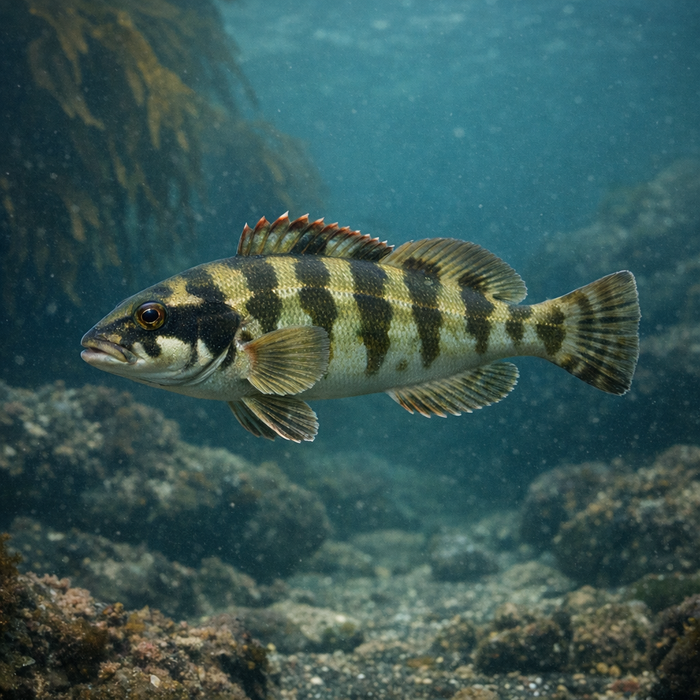
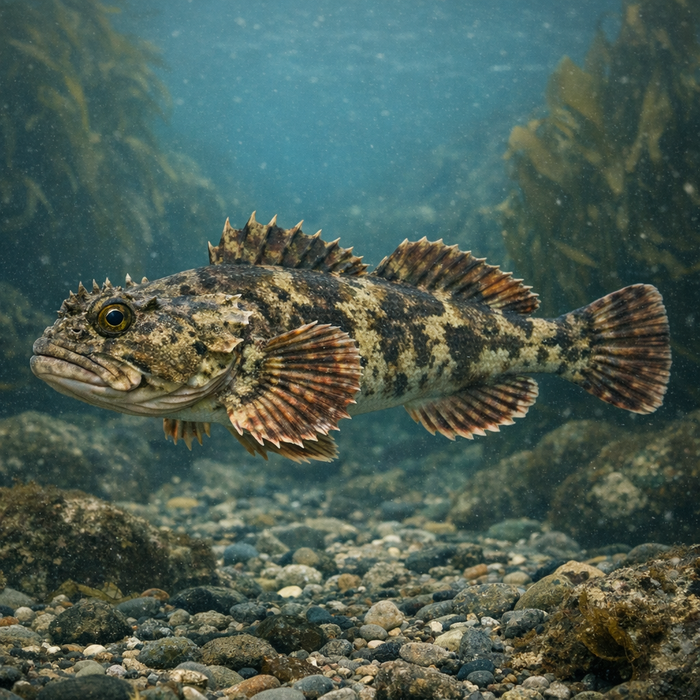
Rock Greenling (Hexagrammos lagocephalus): A Bold, Memorable Hook LineIntroductionThe rock greenling is that scrappy, nearshore character lurking where waves detonate on stone. It's built for chaos and current, a compact brawler that lives its whole life in the splash zone most anglers try to avoid. If you want quick hits, honest fights, and a fish that actually belongs in the foamy mess around jetties and kelp-fringed cobble, this one delivers. Consider this your pocket guide to real-deal Rock greenling facts without the sleep-inducing lecture.What Makes the Rock greenling Unique?Start with hardware. The rock greenling wears multiple lateral lines like racing stripes, giving it a sensory edge in noisy water. It also sports small fleshy cirri over the eyes that help read the surge when visibility goes to mush. Behavior-wise, it clings to rough habitat others abandon, hugging rock, kelp holdfasts, and surge channels with zero drama. And unlike pure carnivores, it's an opportunist; it'll crunch crabs and also scrape films off rock, thriving on whatever the tide rolls in.Habitat & Global RangeThe rock greenling stakes out the North Pacific's hard edges from Alaska down the West Coast into central California, living from tidepools to modest depths where hard bottom rules. If a coastline has kelp, boulders, or broken reef, there's likely a neighborhood carved out for it. Rock greenling habitat is all about structure, surge, and snack supply. They're stay-at-home residents more than migrants, shifting locally with seasonal kelp growth, storm energy, and food pulses rather than making long commutes offshore.Behavior & TemperamentCall it bold but practical. The rock greenling doesn't sprint far; it darts, braces, and uses cover like a street fighter. It strikes baits with commitment, then turns instantly toward the nastiest hole in the wall. Fights are short and punchy, heavy on head shakes and rock-hugging leverage. Males guard adhesive egg masses in winter and early spring, fanning them clean as if HOA rules apply underwater. Juveniles haunt tidepools and surge gutters, moving deeper as they bulk up. Because they're tuned to turbulence, light chop and current often flip the feeding switch.Ecological ImportanceIn the nearshore zone, the rock greenling is a busy middle manager. It trims back small crabs, amphipods, and snails, yet also grazes biofilm and algae, linking plant and animal energy pathways on the same rocks. In turn, it's prey for lingcod, larger rockfish, and seabirds. That web runs tight in shallow water, so greenlings help stabilize the high-energy edge where kelp, barnacles, and urchins constantly elbow each other for space.Conservation & Environmental PressuresWhile not a marquee commercial target, the rock greenling shares the neighborhood with groundfish that have seen better days. Habitat loss doesn't always mean bulldozers; it can be urchin booms that nuke kelp beds, heatwaves that reshuffle species, or pollution that clobbers tidepool life. Because these fish live close to shore, coastal runoff, oiling, and shoreline hardening hit them first. Most regions manage greenlings under conservative groundfish-style rules, but localized pressure around easy-access jetties can still stack up. Keep a steady eye on local updates and marine protected areas as the coastal script changes.The FishyAF TakeThe rock greenling is the blue-collar MVP of busted-up shoreline. It doesn't need a fancy boat, a two-hour run, or a gear catalog. It wants swell, rock, and something that wiggles or smells like dinner. If you appreciate honest bites in ugly water, this fish will keep you grinning. It's also a killer gateway species for new anglers who think ocean fishing requires offshore budgets. Learn the corners of your local jetty, respect the surge, and you'll learn the coastline like a local. That's the real Rock greenling habitat secret: be there when the water is moving, and the greenling will be too.