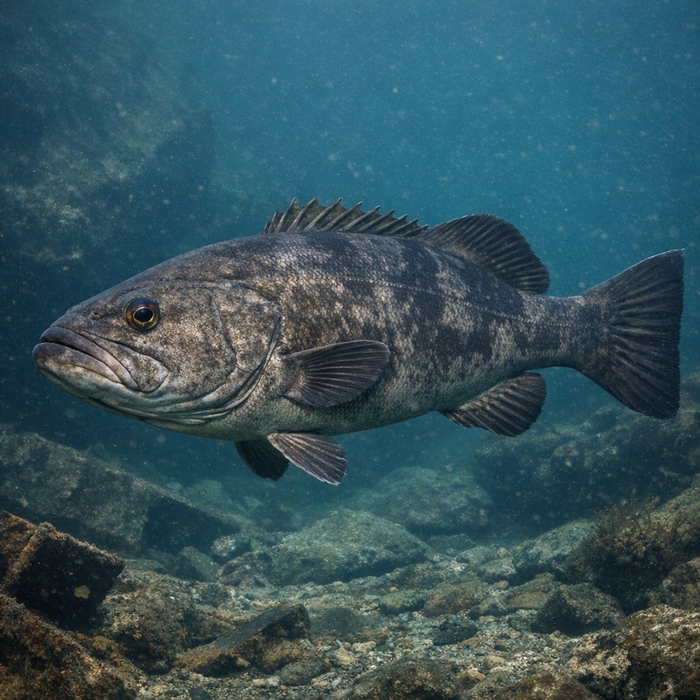
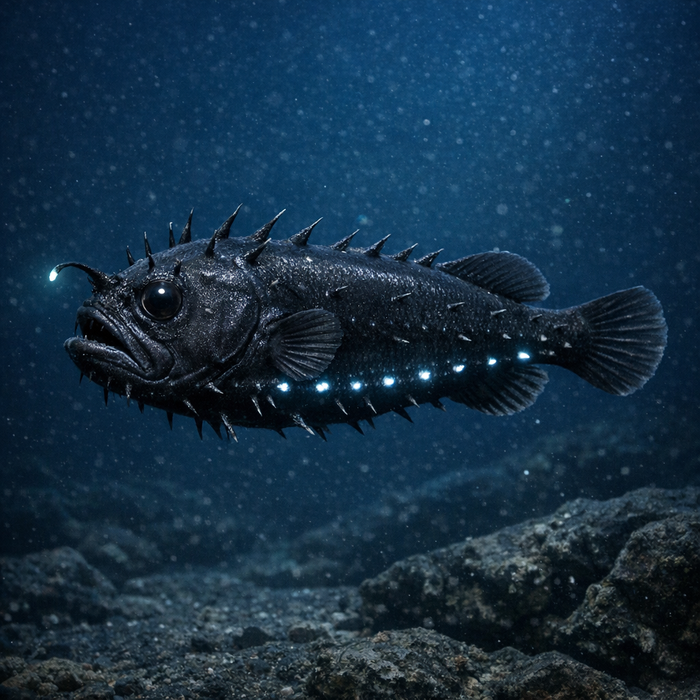
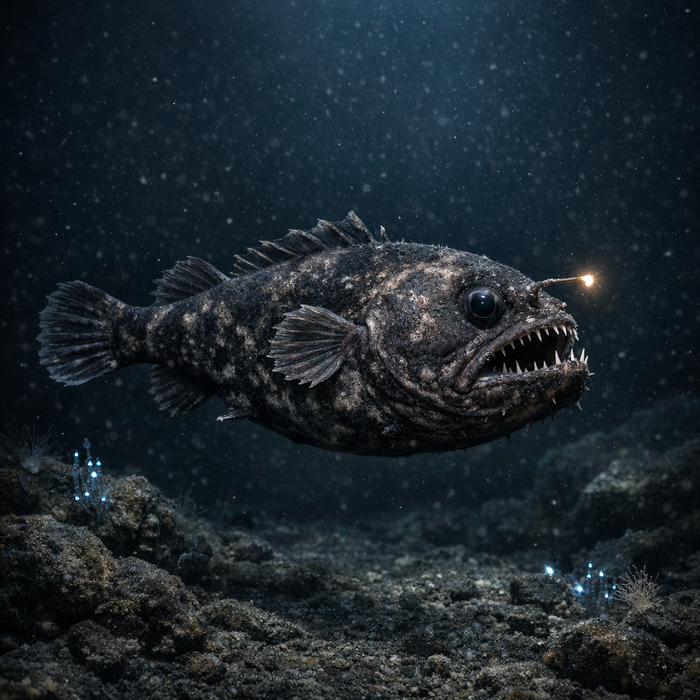
Giant Seabass (Stereolepis gigas): Kelp-Forest King Built Like A BulldozerIntroductionYou don't casually meet a giant seabass. You arrive early, tie on rope-thick leader, drop a live mackerel into the kelp shadows, and hope the reef decides you're worthy. When this fish shows, everything gets heavy: the water, the silence, the reality that a true sea monster is eyeballing your bait. If you want real giant seabass facts without the fluff, start here.What Makes the Giant seabass Unique?First, size. The giant seabass is the heavyweight of the kelp scene, a deep-bodied slab that can push several hundred pounds. Second, style points. Adults wear constellations of white polka dots on charcoal backs, like a galaxy squeezing through the kelp. Third, voice. During summer, they boom-low, percussive rumbles you feel more than hear. These are not grouper wannabes. Giant seabass are apex-status reef bruisers with the presence to match.Habitat & Global RangeIf you're scouting giant seabass habitat, think classic eastern Pacific structure: rocky reefs, boulder fields, pinnacles, and thick kelp forests from Southern California into Baja California and the Gulf of California. Typical working depths run from 30 to 150 feet, though fish move shallower at dawn, dusk, or during spawning pulses. They hug relief and edges-the up-current face of a rock, the outside corner of kelp, or a wreck that catches bait and current. Seasonally, they slide to aggregation sites in late spring and summer, often the same reefs used for generations. Outside of those windows, they spread across suitable structure, cruising between islands and mainland spots with more site fidelity than wanderlust.Behavior & TemperamentGiant seabass don't waste energy. They glide, post up, and inhale food with vacuum-cleaner suction. For divers, they can seem almost stoic, more curious than skittish. For anglers, the bite is usually straightforward because this fish eats big: squid, mackerel, sardine, croaker. The fight is trench warfare, not ballet. They bulldoze for bottom and wrap line in kelp like it's their job. Aggregations form in warm months, and the famous booming calls often ramp up around these gatherings. Despite their size, they're not perpetual roamers. Many individuals show loyalty to a single island or a handful of reefs, shifting with temperature, current, and forage.Ecological ImportanceAs an apex predator on temperate reefs, the giant seabass keeps mid-level predators honest and bait schools moving. A mature fish can restructure the entire mood of a reef-anchovies tighten, squid schools warp, and smaller predators peel off. When giant seabass populations cratered under historical pressure, those ecosystems lost a regulating presence. Recovery means more than a cool photo-bringing back the big boss changes how kelp forests function, right down to who gets to feed where and when.Conservation & Environmental PressuresHistory wasn't kind to this species. Heavy commercial pressure, gillnets, and a long-running trophy culture smashed the stock. Protections arrived and have helped, but recovery for a slow-growing, long-lived fish takes time. Today, regulations are tight in California and variable in Mexico. Anglers who do encounter a giant seabass typically practice quick, in-water releases on stout gear, barbless or circle hooks to minimize damage. Add climate swings, shifting kelp coverage, and episodic heat waves, and you understand why the species still gets the red-carpet treatment from managers and responsible anglers.The FishyAF TakeThe giant seabass is the fish that humbles your ego and your tackle. It's not about tricky knots or secret colors; it's about right place, right tide, right bait, and a reef monarch willing to play. You want a shortcut? There isn't one. What you get instead is a crash course in patience and respect. When a giant seabass eats, you're touching living history. Treat it that way, shoot your photos fast, and send it home like you're delivering a legend back to its throne. That's how you fish for giants and still sleep at night.