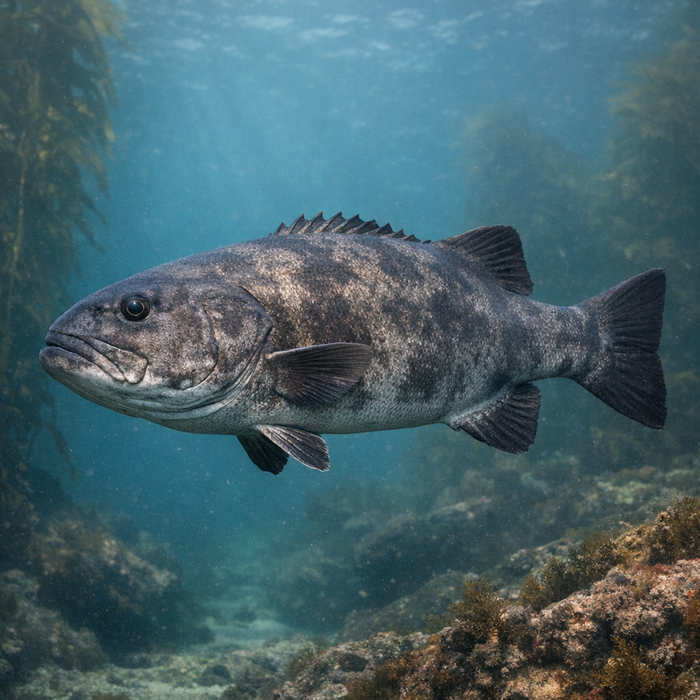
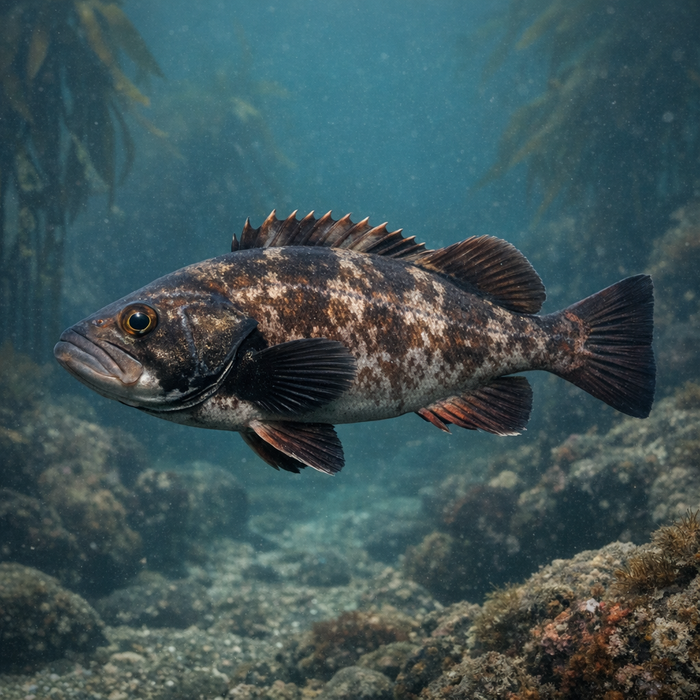
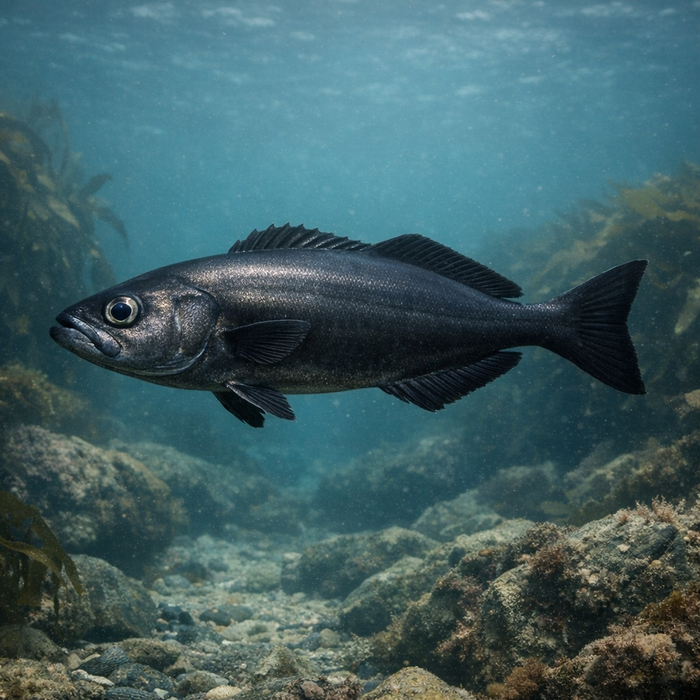
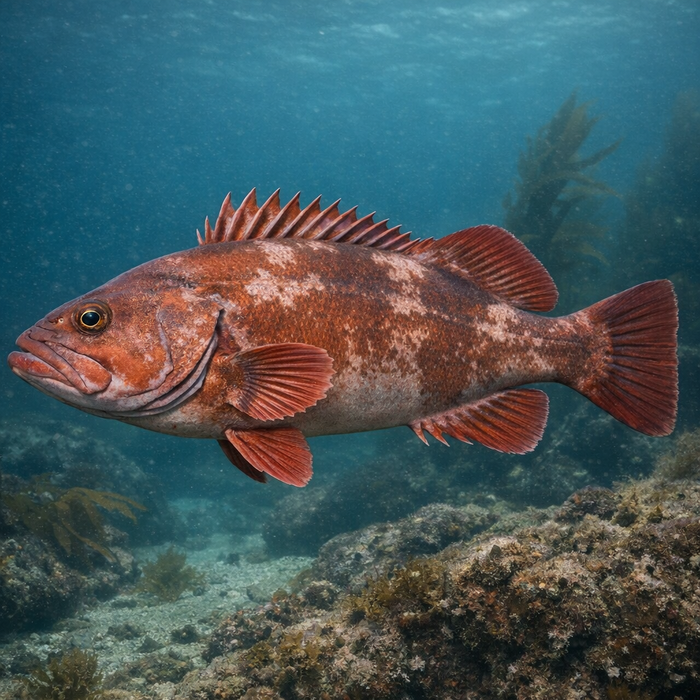
Wreckfish (Polyprion americanus): The heavyweight hermit of deep structure, equal parts mystery and muscle.IntroductionThe wreckfish is the deep-sea equivalent of a grumpy landlord: massive, territorial, and unapologetically in charge of the best real estate. If you're picturing a grouper with a passport and an attitude problem, you're close. Anglers who meet one never forget it, because meeting one usually means you humped gear, burned fuel, and threaded a bait into the basement of the ocean. Welcome to Wreckfish facts you'll actually use.What Makes the Wreckfish Unique?Three things set the wreckfish apart. First, the size-to-depth combo: this species reaches triple digits and still lives hundreds to thousands of feet down. Second, the life history is weirdly adventurous. Juveniles raft beneath drifting debris and sargassum, sometimes crossing entire ocean basins before settling deep. Third, they're structure junkies with a serious mean streak. That thick, armored head, cavernous mouth, and huge eyes scream ambush predator built for dark water.Habitat & Global RangeIf you're researching Wreckfish habitat, think steep rocky slopes, caves, ledges, submarine banks, and, yes, shipwrecks. They haunt the Atlantic on both sides, plus outposts in the Mediterranean and parts of the Southern Hemisphere. In the western Atlantic, the South Atlantic Bight's bluewater edges get much of the attention: places like the Charleston Bump and Blake Plateau. Farther east, the Azores and Portuguese seamounts hold legendary fish. Depth is the common thread. These aren't pier pets; they are deep denizens that prefer hard bottom and complicated structure.Behavior & TemperamentWreckfish don't cruise aimlessly. Adults park on prime structure and make short, decisive moves when a meal blunders by. They aren't spooky like shallow flats fish, but they're not dumb either. Pressure and bright conditions mean little down there; current, bait presence, and bottom contour are the difference-makers. Hooked fish bulldog early and use terrain like a wrestler uses the ropes. Your first seconds after the bite decide whether you're celebrating or re-rigging.Ecological ImportanceAs mid-to-deep reef predators, wreckfish play bouncer for the deep neighborhood. They thin out midwater visitors and resident bottom species, transferring energy from pelagic and benthic prey up the chain. Their long lifespan and late maturity make populations sensitive to overharvest. Take too many breeders off a seamount and you don't bounce back quickly.Conservation & Environmental PressuresWreckfish are a management headache precisely because they are valuable, long-lived, and patchy. Localized stocks can be hammered by a handful of efficient trips. Some regions run tight quotas or limited-entry systems to keep mortality in check. Elsewhere, data gaps complicate the picture, so assessments trend cautious. Add seafloor impacts from gear and shifting currents from climate change, and you've got a fish that benefits from conservative thinking.The FishyAF TakeThe wreckfish is the quiet legend of the deep. It doesn't chase foam or crash topwaters. It just owns a cave the size of a van and dares you to knock. If you want the handshake, bring a real plan, real tackle, and real patience. When the rod folds, hit back hard and don't blink. That's the entire wreckfish game distilled: respect the depth, trust the structure, and move like you mean it.