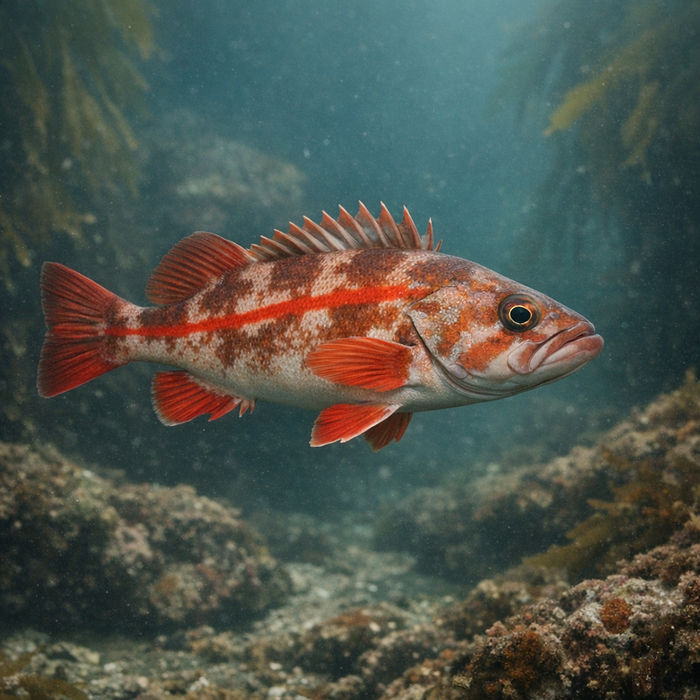
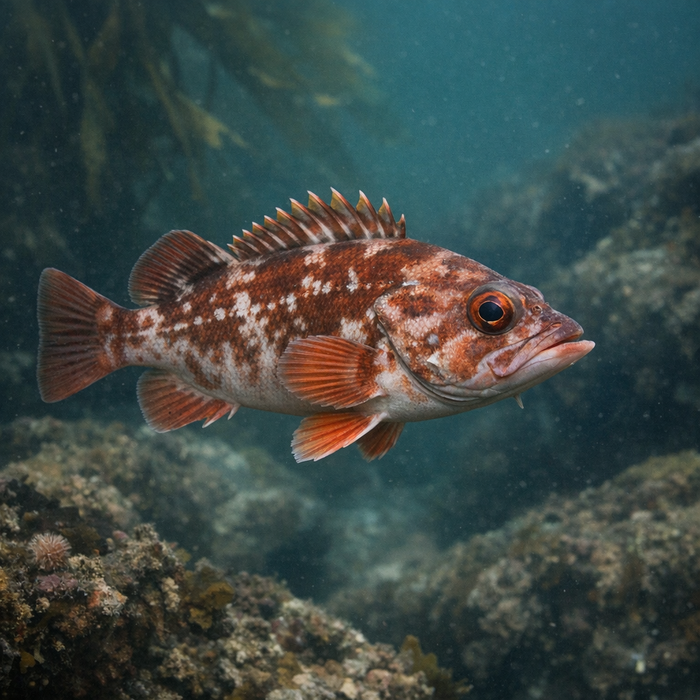
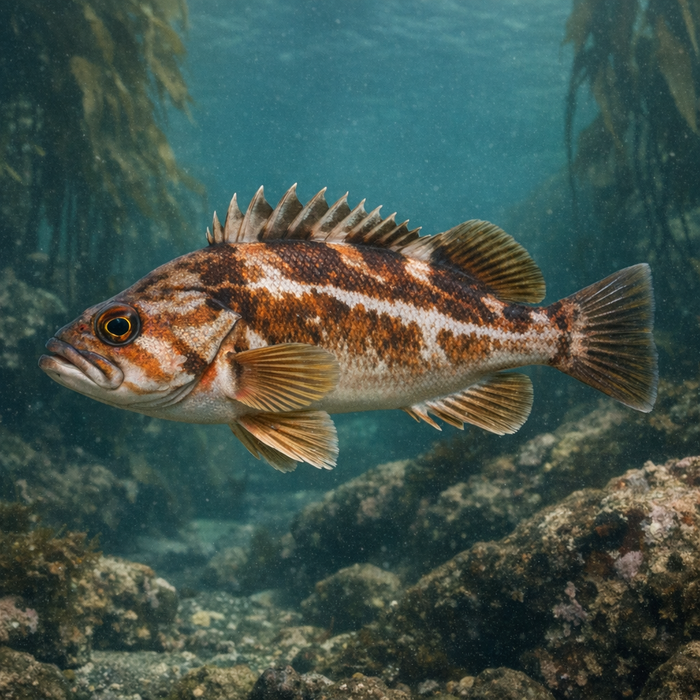
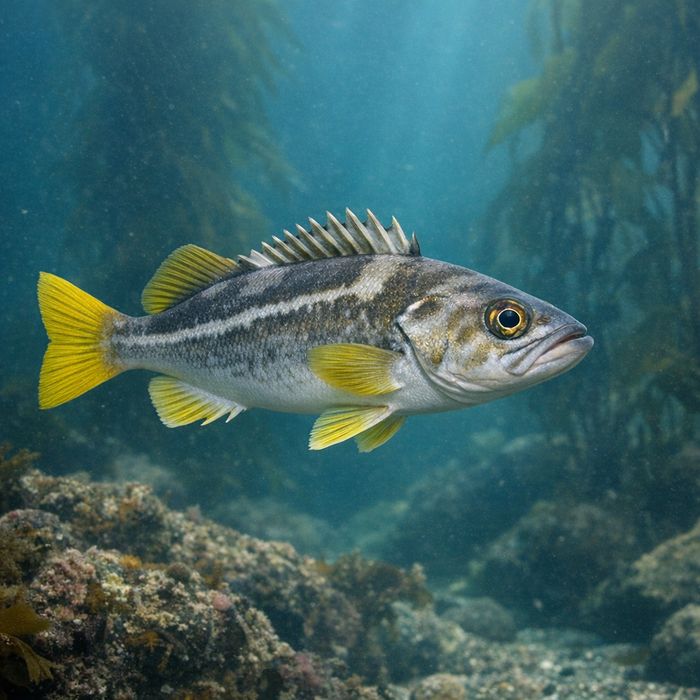
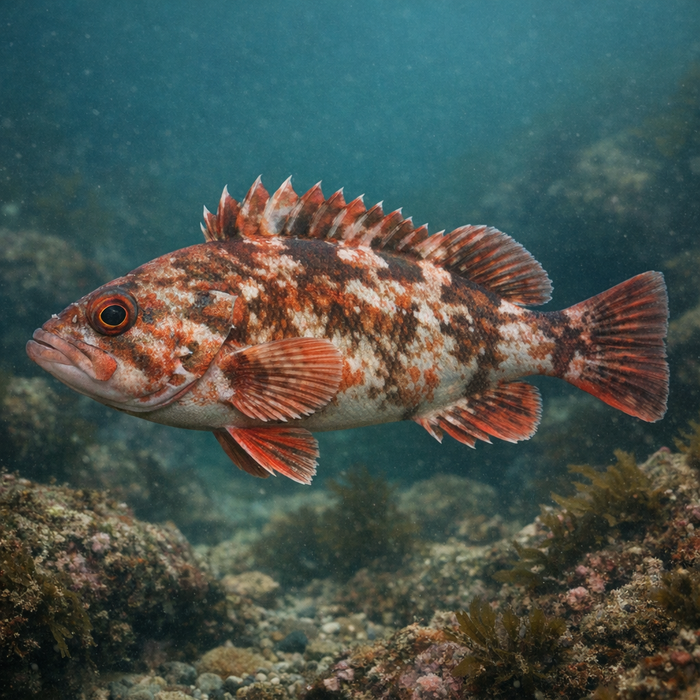
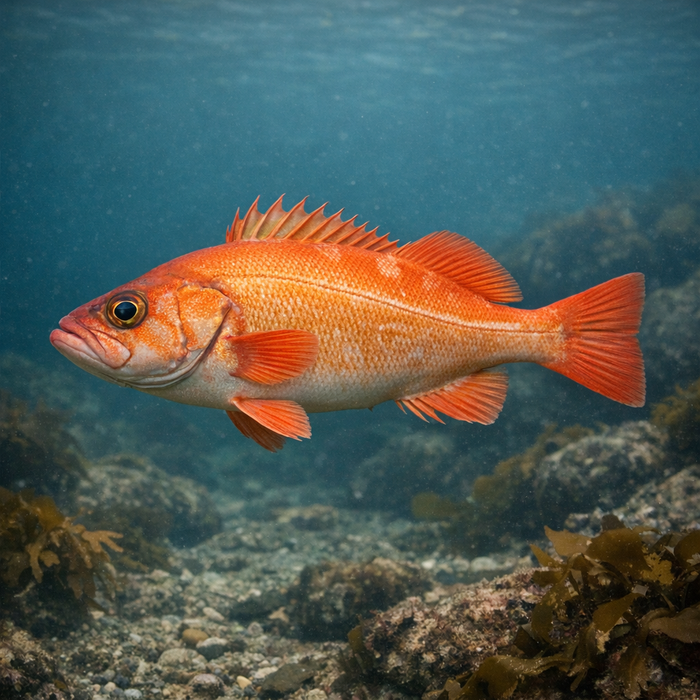
Blackgill Rockfish (Sebastes melanostomus): A Bold, Memorable Hook LineIntroductionThe blackgill rockfish is the deep-slope bruiser most anglers never see until it materializes like a copper ghost from 800 feet down. Not flashy, not famous, but absolutely legit. These are the heavy-shouldered residents of canyons and steep rock where tide and gravity meet. If you're chasing rockfish variety or building a deep-drop game, blackgill rockfish belong on your hit list.What Makes the Blackgill rockfish Unique?Start with the name. Blackgill rockfish sport an inky mouth and dark gill cavity that look straight-up goth. Add a thick, copper-to-dusky body and a spiny dorsal that punishes sloppy handling. They're livebearers that release clouds of larvae instead of laying eggs, and they grow old the slow way, clocking decades in the dark. For anglers, they're classic deep-drop customers: stubborn head shakes, steady weight, and a bulldog attitude from the first crank.Habitat & Global RangeAsk for blackgill rockfish facts and you'll keep circling the same terrain: steep, hard bottom on the continental slope of the Northeast Pacific. Think boulder piles, fractured ledges, canyon rims, and talus fields from Southern California through the Pacific Northwest into Southeast Alaska. Depth is the whole deal. Blackgill rockfish habitat starts where most weekend gear taps out, commonly 300 to 1,200 feet, often deeper when current is ripping or light is blasting. They like breaks and edges, and while small pods gather on specific structure, you won't see them roaming flats or skying into midwater for baitballs like pelagics.Behavior & TemperamentBlackgill rockfish are ambush-minded predators, leaning on relief and current seams. They're not reckless biters, but they're not snooty either. Present a squid strip or a heavy jig with good bottom contact and they'll thump it. The fight is weighty, punctuated by stubborn surges and those classic rockfish head shakes. Expect occasional lifts off bottom at night or during tide changes, but they remain homebodies tied to structure more than open-water wanderers. They school loosely by size on prime contours, and once you dial the lane, bites can run in flurries.Ecological ImportanceDeep-slope rockfish knit together a slow-motion food web. Blackgill rockfish prey on crustaceans, squid, and small fishes, then feed larger groundfish and deep-diving predators. Their long lifespans and slow growth make them vulnerable to overharvest and slow to rebound. That same life history, however, turns them into living record books, their otoliths archiving years of ocean conditions far below the surface.Conservation & Environmental PressuresBlackgill rockfish were caught hard on mixed-slope trips in decades past, and some West Coast stocks drew concern. Today, management is tighter: depth-based seasons, area closures, descending-device rules, and conservative quotas within the broader rockfish complex. Climate shifts can shuffle currents and prey distributions on the slope, but structure remains king. Ethical anglers respect barotrauma realities, keep only what they'll eat, and release carefully when regulations or good sense say so.The FishyAF TakeBlackgill rockfish are the quiet flex of deep-dropping. No glammy tail walks, no social feed fireworks, just honest work and a boxy, beautiful fish. When you finally crank one through a hundred fathoms and it glows up from rust to rose under the boat lights, it clicks. This is what the deep feels like. For anyone who wants practical blackgill rockfish facts or to understand true blackgill rockfish habitat, the playbook is simple: find hard edges, mind the current, and bring enough iron to touch bottom with authority. The rest is just patience and a little bit of gravity on your side.