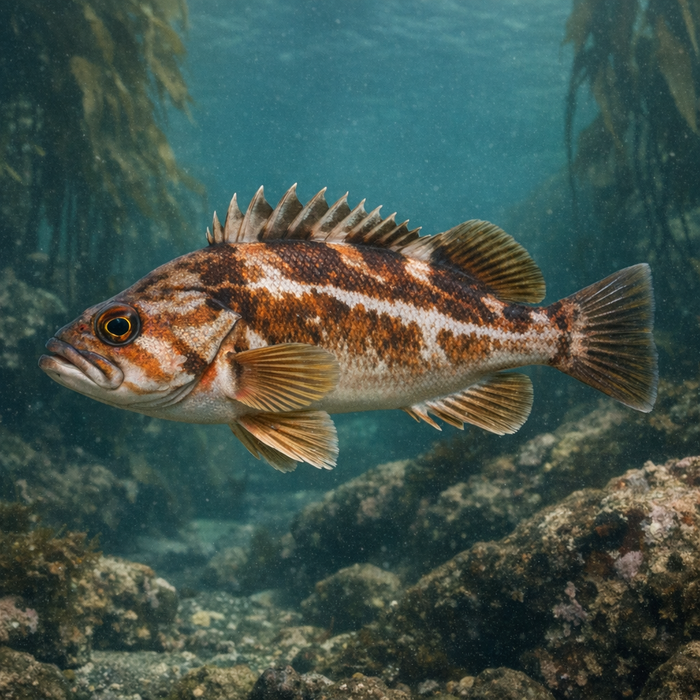
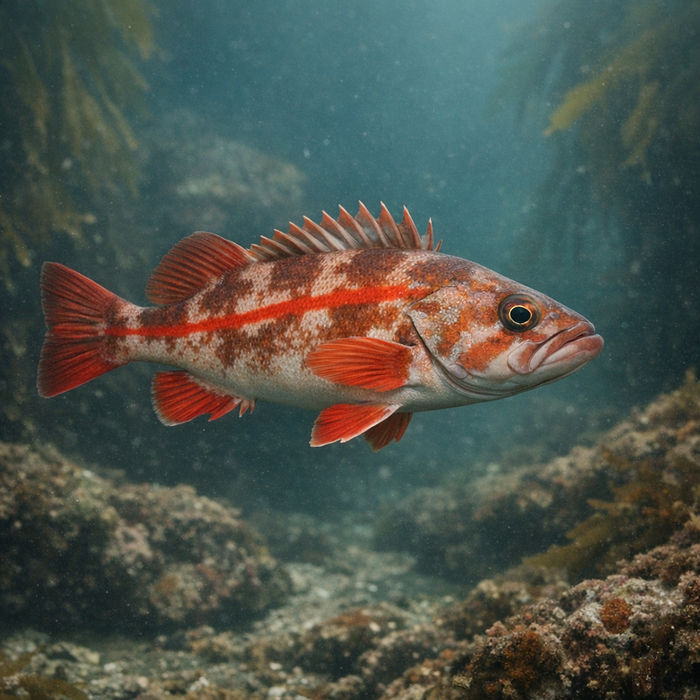
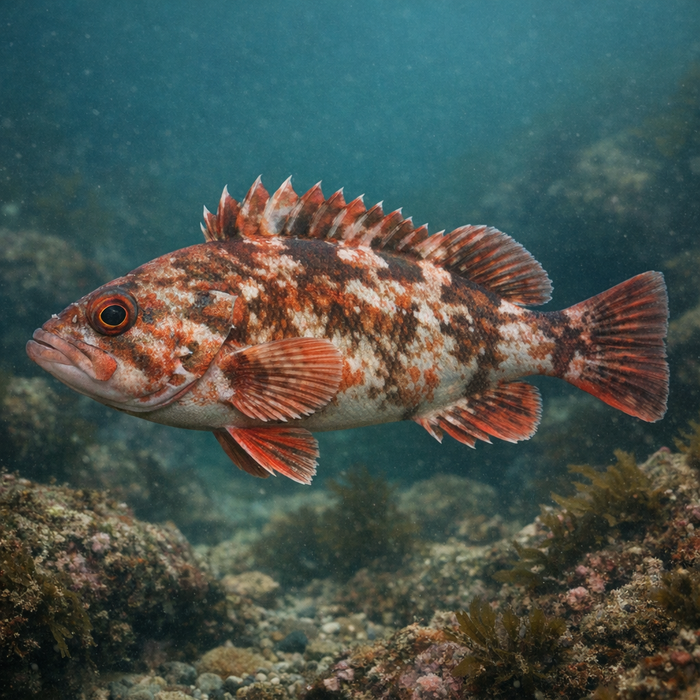
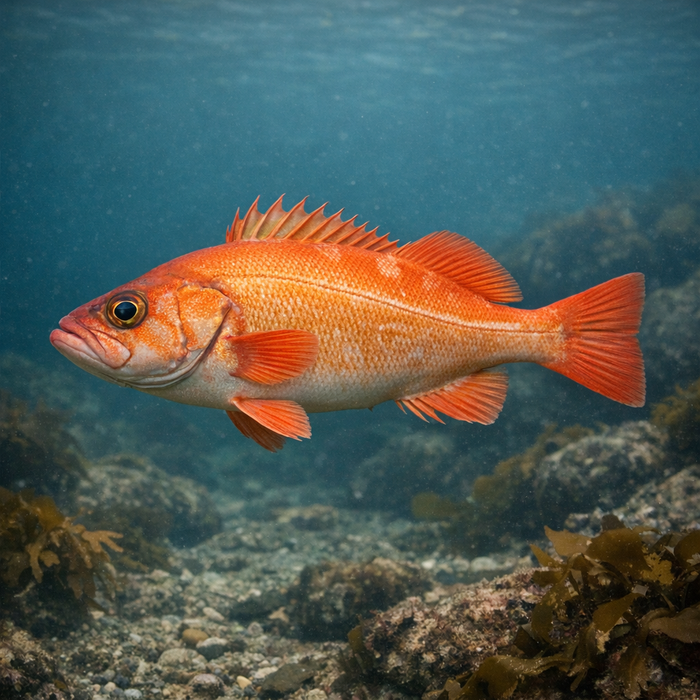
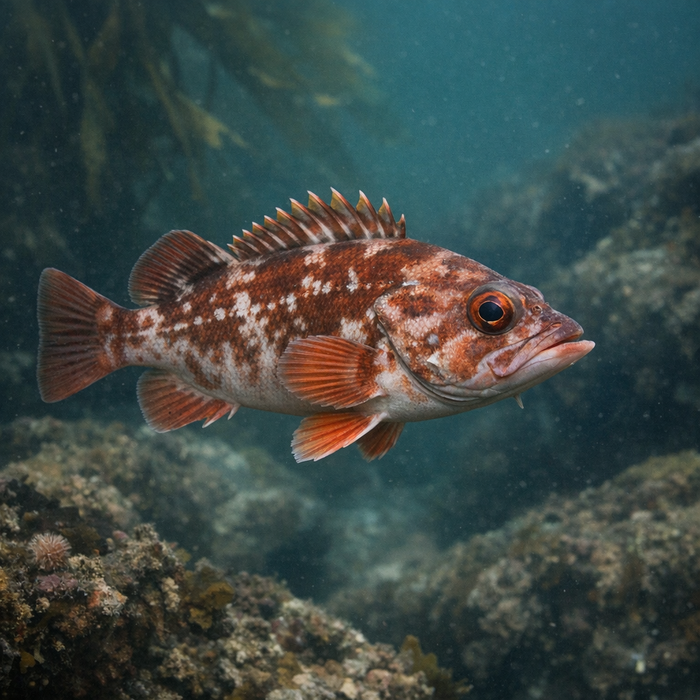
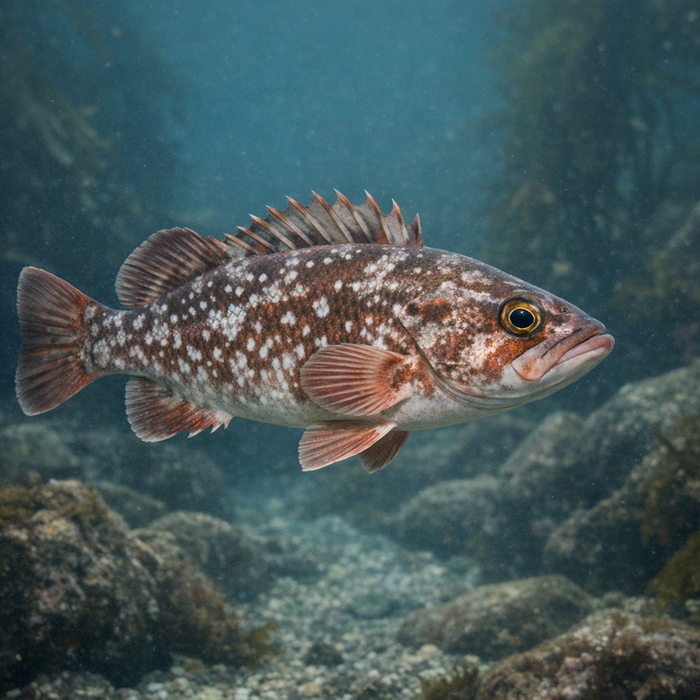
Yellowtail Rockfish (Sebastes flavidus): Olive-backed midwater bruisers that school over gnarly structure and hammer metal.IntroductionMeet the yellowtail rockfish, the West Coast crowd-pleaser that keeps party boats smiling and coolers clinking. It's a semi-pelagic rockfish that stacks above reefs, inhales jigs, and somehow ages like a fine barrel-aged whiskey. If you want steady action with a solid fillet bonus, this one's your blue-collar MVP. Let's get into the real Yellowtail rockfish facts anglers care about.What Makes the Yellowtail rockfish Unique?Unlike the bottom-hugging members of the rockfish crew, yellowtail rockfish often hold well off the deck in midwater layers. They work the water column above hard structure, strafing bait balls and smashing anything that looks like a dazed anchovy. They're also surprisingly long-lived, with some individuals pushing past 50 years. That slow-and-steady marathon lifespan means consistent growth but also demands smart handling and selective harvest to keep the stock healthy.Habitat & Global RangeThis species is a North Pacific specialist, common from Alaska down the U.S. West Coast and into northern Baja California. Classic Yellowtail rockfish habitat is hard bottom: reefs, pinnacles, wreck edges, and current-swept points. Depth ranges are broad, but recreational catches typically come from 60 to 300 feet. You'll often mark schools 20 to 80 feet off the bottom, especially around bait. Kelp edges and rocky transitions near drop-offs are reliable, and offshore banks light up when anchovy or sardine schools push over structure. If you're plotting a search grid, think rock plus current plus forage.Behavior & TemperamentYellowtail rockfish are schoolers with moods. One minute they're lockjawed, ghosting your sonar; the next, they're fired up and eating metal like it's their job. They throw quick headshakes and dogged circles rather than blistering runs, but doubles and triples on a boat turn into chaos fast. Watch the tide and light: they feed hard at gray light, tide swings, and during those magic midmorning bait pushes. When they're suspended and chewing, you can leave the sinker on the rack and yo-yo jigs through the zone.Ecological ImportanceAs midwater predators, yellowtail rockfish transfer energy from schooling forage to larger predators, including lingcod, salmon sharks, and humans with frying pans. Juveniles use kelp canopy and nearshore structure, then shift deeper as they mature, distributing that ecological elevator through multiple zones. Long lifespans make them natural archives of ocean conditions, with otolith rings recording years of productivity, temperature, and growth.Conservation & Environmental PressuresYellowtail rockfish were historically a commercial and recreational staple. Stock assessments have bounced, management has adapted, and today many areas show stability under conservative harvest frameworks. The slow growth and barotrauma sensitivity mean handling matters. Keep fish you intend to eat, descend the rest, and don't beat up a throttled school for the sake of a hero shot. Seasonal depth-based closures, area restrictions, and groundfish complexes exist for a reason. Pay attention to local rules and you'll help keep the bite alive. Search interest in Yellowtail rockfish habitat also swings with regulation changes, so tune your plans to the latest guidance.The FishyAF TakeYellowtail rockfish are honest work: find hard bottom, mark bait, send iron, set hook, repeat. They're not picky, they're not prima donnas, and they absolutely carry a charter when exotics bail. If you think rockfish are just bottom ploppers, this species will change your mind the first time a midwater school lights up your screen and your jig gets freight-trained halfway down. Keep a descending device ready, keep your fillet count reasonable, and enjoy one of the most dependable West Coast bites going. That's the kind of reliability we can raise a taco to.