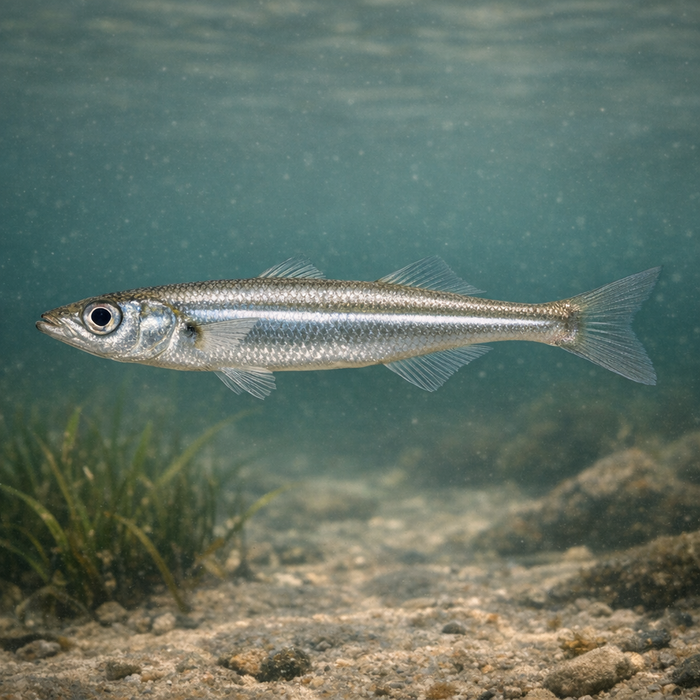
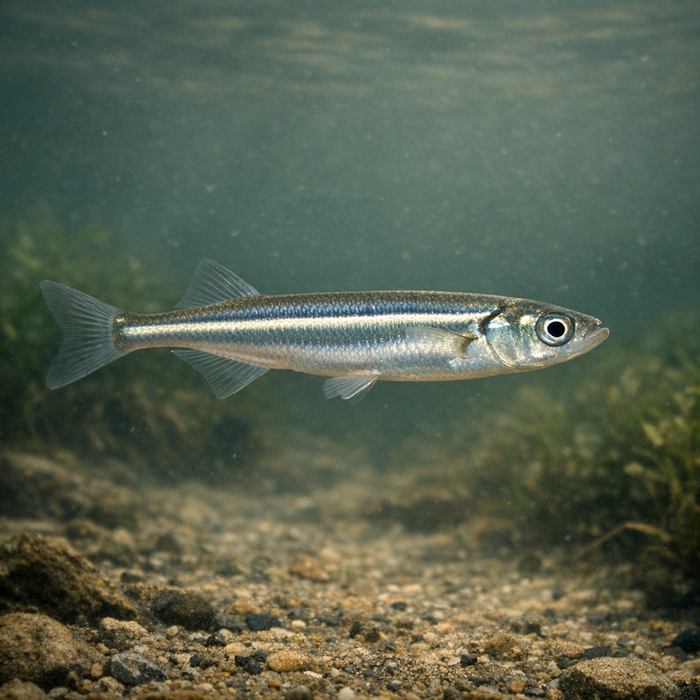
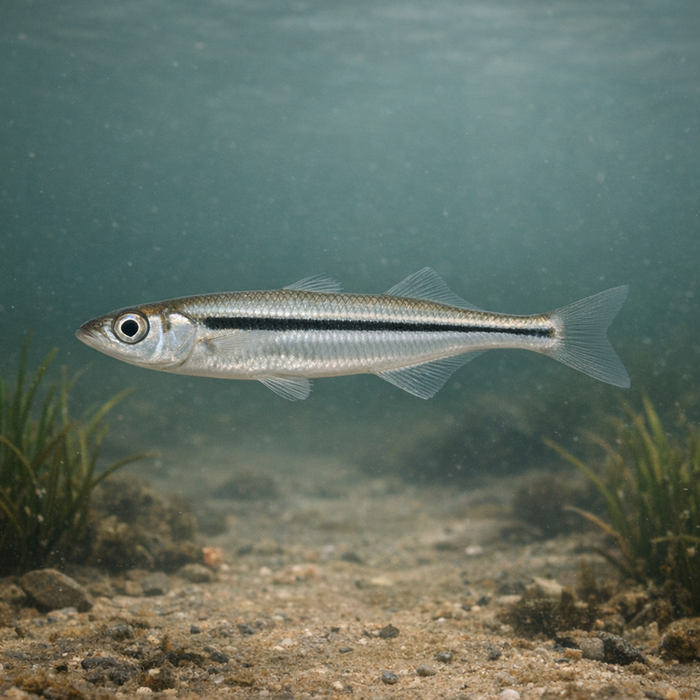
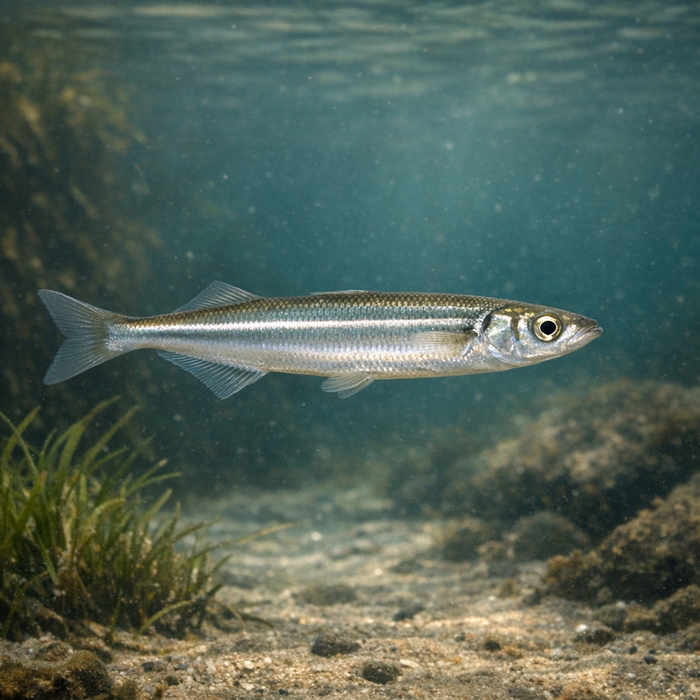
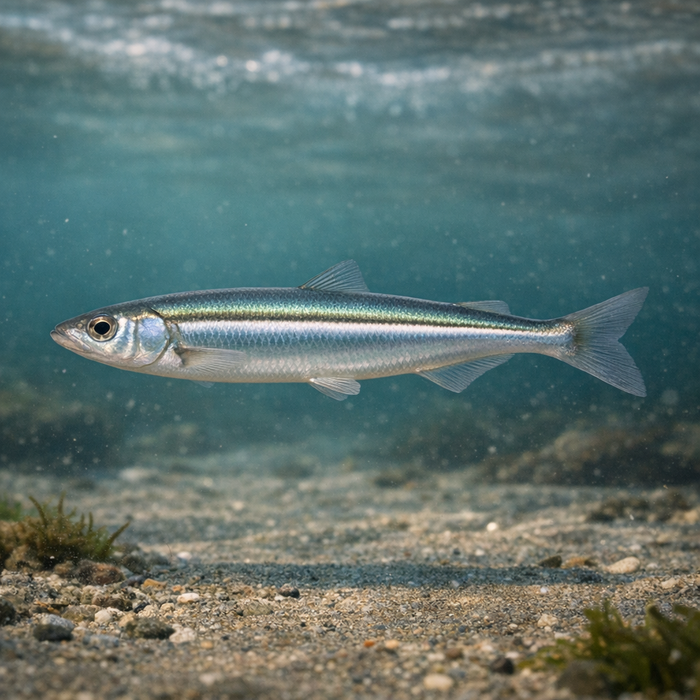
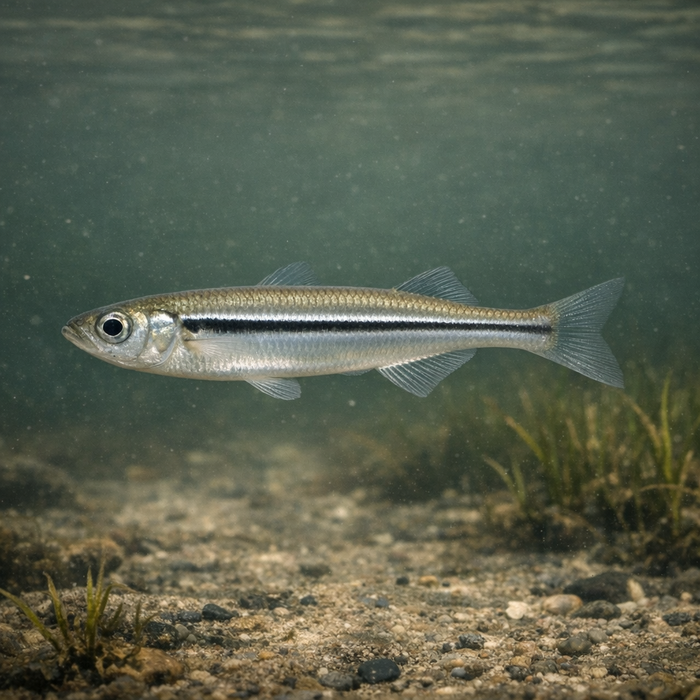
Jack Silverside (Atherinopsis californiensis): Chrome Torpedoes That Rule The PiersIntroductionThe jack silverside is the fish you meet before the fish you brag about. It's the restless, glittering ribbon under a pier that cleans your hook faster than you can blink. For many West Coast anglers, this little speedster is the first saltwater fish ever caught, and often the most reliably cooperative. Don't let the size fool you. The jack silverside is a masterclass in light-tackle fun and a perfect crash course in tides, timing, and bait finesse.What Makes the Jack silverside Unique?First, it's a bruiser among silversides. While most relatives stay tiny, the jack silverside can stretch near 20 inches, a legit handful of chrome. Second, it rides the surface like it owns it, with big, high-set eyes tailored for pecking prey in the mirror-bright top few feet. Third, it's a notorious bait thief. If your offering is even slightly too big or too tough, these fish nip it to confetti and vanish. That combo of size-for-family, surface swagger, and surgical feeding makes them a surprisingly engaging light-tackle target.Habitat & Global RangeWhen anglers search for Jack silverside habitat, they're talking classic West Coast shoreline: surf zones, harbors, jetties, eelgrass pockets, and pier pilings from Vancouver Island to Baja California. Schools cruise the upper water column in wave-washed edges and calm marina corners alike, shifting with tide and micro-currents. They're remarkably tolerant of salinity swings, pushing deep into brackish lagoons during stable weather and spilling back into open surf when bait concentrates. Depth is usually shallow to midwater, but the action lives at the surface where glare, chop, and broken current corral food.Behavior & TemperamentJack silverside schools move like a single organism. One nervous twitch and a hundred fish snap 90 degrees in unison. They're visual feeders, roving and opportunistic. Feeding windows are juiced by moving water and low light, especially dawn, dusk, and shaded pier angles. Hook one and you'll get fast, jittery runs more than raw torque, the kind of fight that keeps ultralight rods pinned and smiles wide. They mix readily with topsmelt and other small coastal species, so sharp ID matters if you're chasing personal bests or logging Jack silverside facts.Ecological ImportanceJack silverside are the conveyor belt between plankton and predators. They Hoover up tiny crustaceans and micro-bait, then hand that energy up the ladder to halibut, mackerel, seabirds, and marine mammals. Their schooling surface lifestyle concentrates forage at predictable edges, which is why piers and harbor mouths become wildlife theaters when they're in. Spawning uses adhesive eggs that cling to algae and rocks, giving the next generation a fighting chance amid surge and sand. Take them out of the system and nearshore chaos follows.Conservation & Environmental PressuresThe species sits at Least Concern, and that tracks for a hardy, fast-growing, schooling fish. But local abundance flexes with water quality, plankton pulses, and coastal development. Urban runoff can hammer back-bay nursery zones. Prolonged warm-water events push zooplankton around, shifting schools and shrinking catch windows. While recreational harvest is usually modest, pier crowds and bycatch can add up. Respect bag rules, avoid waste, and remember the food web leans on these chrome commuters.The FishyAF TakeThe jack silverside is the West Coast's humblest hype man. It teaches tide, current seams, bait size, and patience. It's a great species for kids, ultralight addicts, and anyone who enjoys fish that refuse to quit pecking. Want practical? Keep baits tiny, hooks fine, and fish the surface slicks around structure. Want a memory? Hit a summer evening tide under a pier and watch the water turn to living mercury. Jack silverside may never headline the trophy board, but it will fill your day with action and sharpen your saltwater instincts fast.