Kelp Greenling (Hexagrammos decagrammus): The Colorful Guardian of Rocky Reefs
The Kelp Greenling is no wallflower of the North Pacific. With its striking patterns and bold colors, it stands out among the kelp forests and rocky reefs it calls home. This fish is more than just a pretty face; it’s a key player in coastal ecosystems and a favorite among anglers and marine enthusiasts alike. If you’re diving into Kelp Greenling facts, prepare to meet a species that blends beauty, resilience, and ecological significance in equal measure.
What Makes the Kelp Greenling Unique?
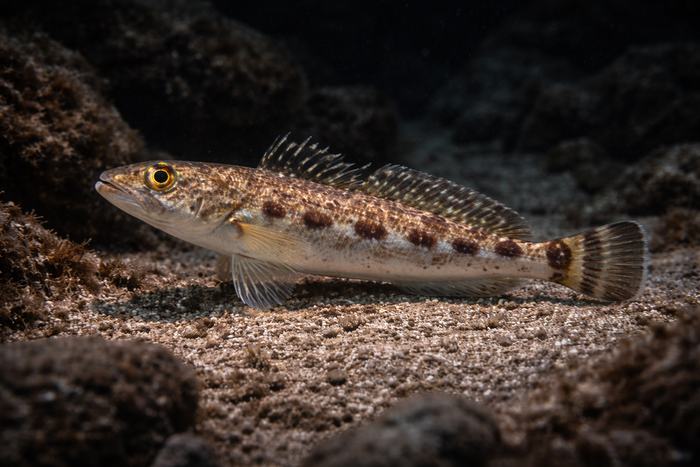
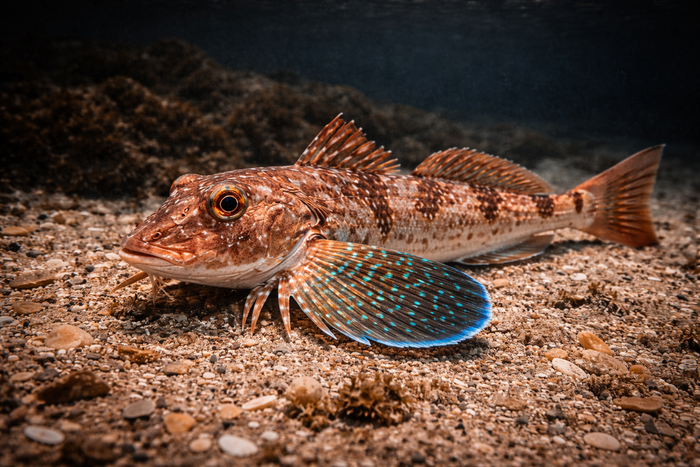
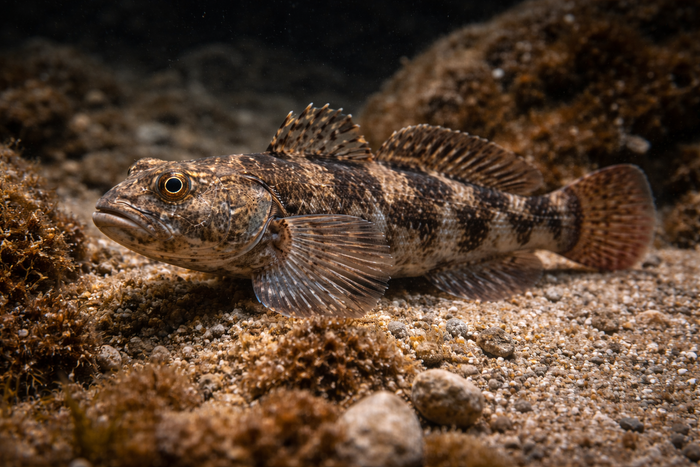
The Kelp Greenling is instantly recognizable thanks to its vivid coloration and distinctive markings. Males sport bright blue spots and orange-red hues, while females tend to be more subdued, with mottled browns and greens that provide excellent camouflage. This sexual dimorphism is not just for show—it plays a role in mating and territorial behavior.
Unlike many fish that rely on speed, the Kelp Greenling is a master of subtlety. It uses its elongated body and large pectoral fins to navigate complex underwater landscapes with precision. Its mouth is lined with small, sharp teeth designed for a varied diet, including crustaceans, mollusks, and small fish. This adaptability in feeding habits makes it a versatile predator in its niche.
Habitat & Global Range
Kelp Greenling habitat is tightly linked to the rocky coastal zones of the North Pacific Ocean. They are found from the shores of California up through Alaska and across to the Russian Far East. These fish thrive in kelp forests, rocky reefs, and tide pools where structure provides shelter and hunting grounds.
Depth-wise, Kelp Greenlings are comfortable from shallow waters down to about 200 meters. Their preference for complex habitats with plenty of crevices and overhangs allows them to avoid predators and ambush prey. The dense kelp beds also play a crucial role in their life cycle, offering protection for juveniles and a rich feeding environment for adults.
Behavior & Temperament
Kelp Greenlings are territorial and somewhat solitary, especially males during breeding season. They stake out prime real estate on the reef and defend it aggressively against rivals. This territoriality is accompanied by fascinating courtship displays where males show off their vibrant colors to attract females.
Despite their boldness in defending territory, Kelp Greenlings are not aggressive toward divers or humans. They tend to be curious but cautious, often hovering near the bottom or darting between rocks. Their slow, deliberate movements contrast with the frenetic activity of many reef fish, making them a steady presence in their environment.
Ecological Importance
The Kelp Greenling plays a vital role in maintaining the balance of kelp forest ecosystems. As a mid-level predator, it helps control populations of invertebrates and smaller fish, preventing any one species from dominating the habitat. This balance supports the overall health and biodiversity of the reef.
Moreover, Kelp Greenlings serve as prey for larger predators such as lingcod and sea birds, linking different trophic levels in the food web. Their presence indicates a healthy, functioning ecosystem, making them an important species for monitoring environmental changes.
Conservation & Environmental Pressures
While not currently listed as endangered, Kelp Greenling populations face pressures from habitat degradation and climate change. Coastal development, pollution, and overfishing can disrupt kelp forests, directly impacting the Kelp Greenling’s habitat and food sources.
Ocean warming and acidification pose long-term threats by altering kelp growth and the availability of prey species. Protecting kelp forests through marine reserves and sustainable fishing practices is crucial for preserving Kelp Greenling habitat and ensuring their continued role in coastal ecosystems.
The FishyAF Take
The Kelp Greenling is a standout species that deserves more attention than it usually gets. Its bold colors and unique behaviors make it a fascinating subject for anyone interested in marine life. But beyond aesthetics, this fish is a linchpin in the kelp forest ecosystem, balancing predator-prey dynamics and supporting biodiversity.
If you’re exploring Kelp Greenling facts, remember that this fish is a reminder of how interconnected marine environments are. Protecting their habitat means protecting a whole network of species. Next time you’re near a rocky shore or diving in kelp beds, keep an eye out for this colorful guardian. It’s a fish that’s as tough as it is beautiful, and it’s earned its place in the spotlight.