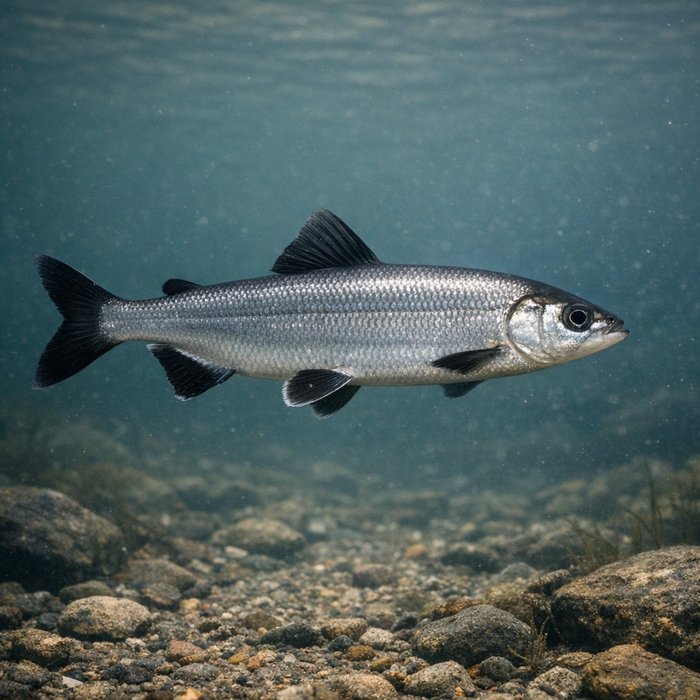
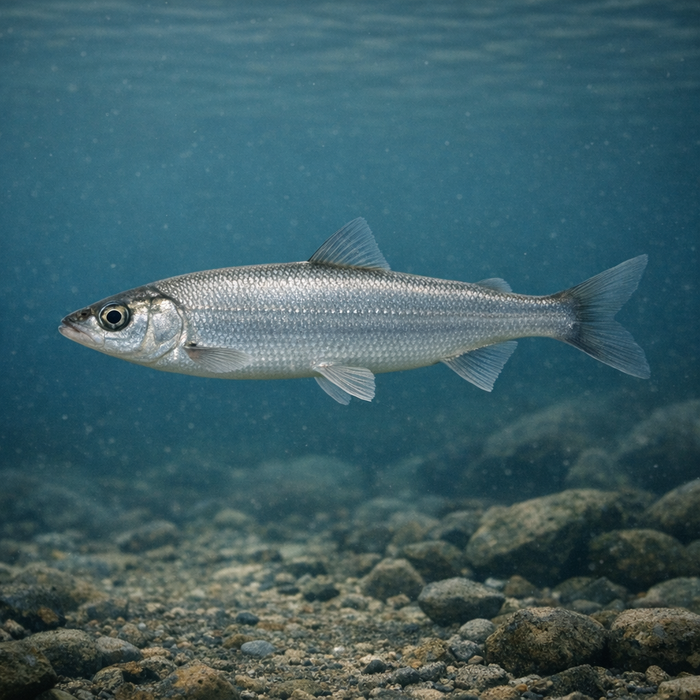
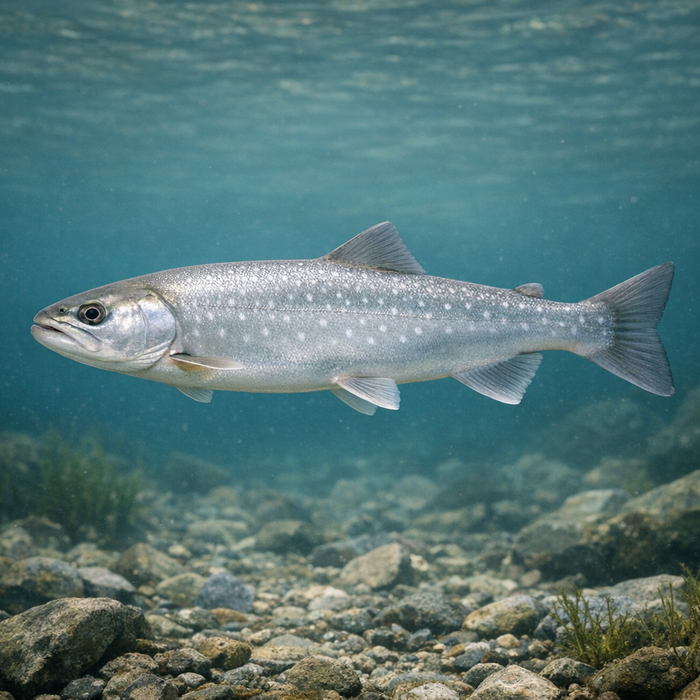
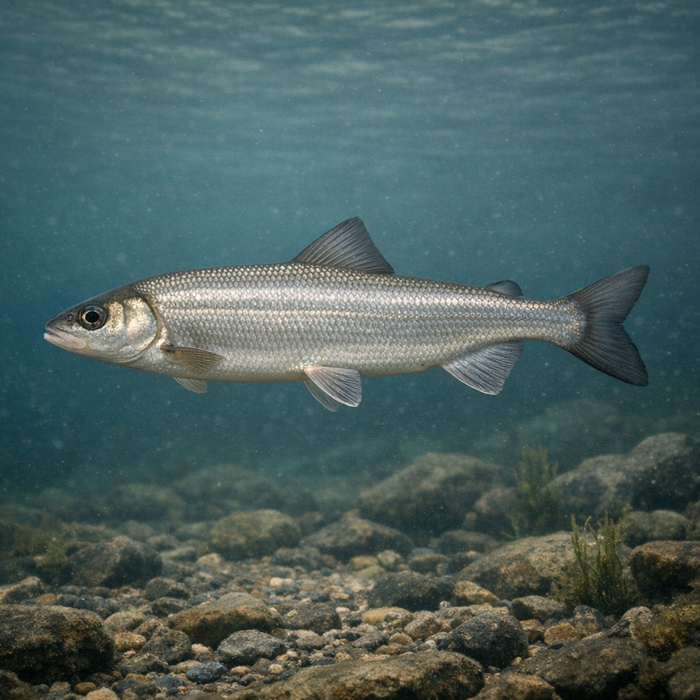
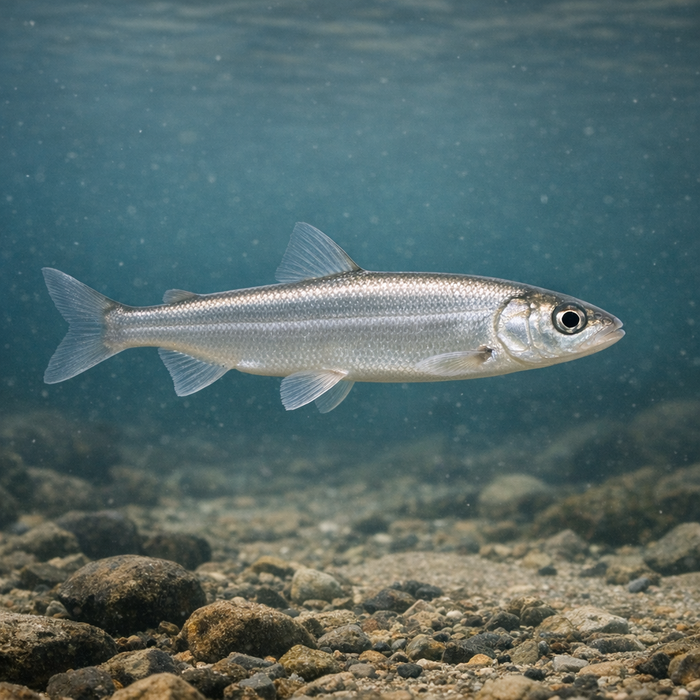
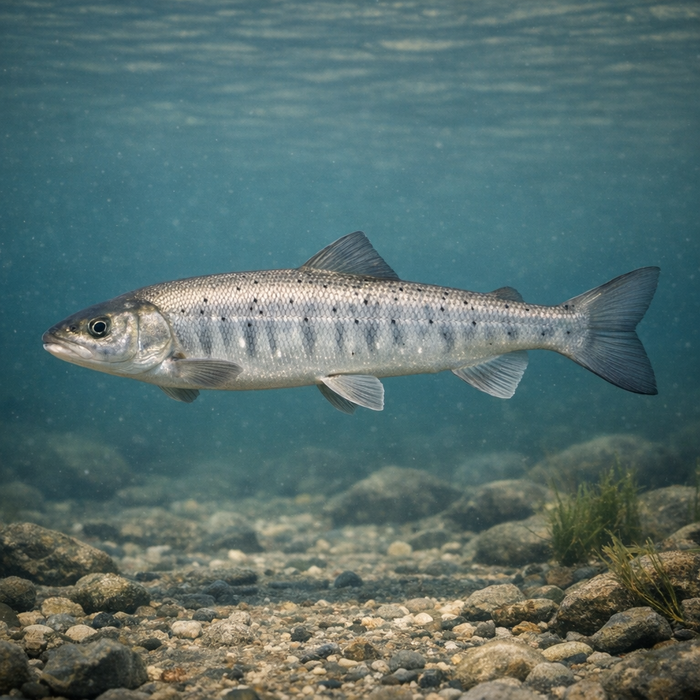
Longjaw cisco (Coregonus alpenae): A Bold, Memorable Hook LineIntroductionThe longjaw cisco is the Great Lakes ghost you'll never catch, a deepwater "chub" that fed fleets, baffled taxonomists, and then winked out before most anglers knew it existed. It's extinct now, but its story-nets, invasive species, and cold-water drama-still shapes how we understand Great Lakes fish communities.What Makes the Longjaw cisco Unique?Start with the hardware: that extra-long lower jaw protruded well beyond the snout, a custom tool for hoovering tiny critters in the gloom. Add outsized eyes, tuned for twilight in water hundreds of feet deep. Combine it with a sleek, silvery torpedo body that screams open-water living. The longjaw cisco also sat inside a headache-inducing cisco complex, where species blur and local forms morph with lake history. Even in jars, it keeps biologists arguing.Habitat & Global RangeHere's the simple version of longjaw cisco habitat: deep, cold, offshore basins in the Great Lakes. Think beyond your shoreline casting. Historical captures clustered far from surf, down where winter temperatures feel like home year-round. While ciscoes broadly range across northern lakes, this one was a Great Lakes specialist, riding deep contours and basin edges. If you're searching for Longjaw cisco habitat on a map, you're reading history, not planning a trip.Behavior & TemperamentThe longjaw cisco was built for the deep lane. It likely schooled in the water column over soft bottoms, targeting zooplankton and small invertebrates, slipping vertical layers to match prey patches. Surface blitzes? Not its style. Aggression probably ran modest by predator-fish standards. Takedowns came from steady, efficient feeding rather than smash-and-grab theatrics. Seasonal routines probably pushed it shallower to spawn in late fall or early winter, echoing patterns seen in close cisco kin.Ecological ImportanceAs a mid-trophic workhorse, the longjaw cisco turned tiny drifting life into fuel for bigger predators and human fleets. It anchored the classic Great Lakes energy pipeline: plankton to cisco to trout, burbot, and nets. Remove that link and everything else creaks. When the longjaw cisco dwindled, it wasn't just a species loss. It was a wobble in the entire deepwater web.Conservation & Environmental PressuresSo where did it go? Death by a thousand cuts. Decades of heavy commercial netting hammered deepwater ciscoes. Then invasive alewife and sea lamprey crashed the party, competing, predating, and bending the food web. Pollution and habitat shifts didn't help. Untangling which blow mattered most is tough given mixed-species net records and fuzzy taxonomy. But the final result is clear: the longjaw cisco is gone, and its absence still echoes through Great Lakes management.The FishyAF TakeThe longjaw cisco is a caution sign painted silver. You don't always notice a system pillar until it's missing. Want Longjaw cisco facts that matter for anglers today? This is it: deepwater forage species bankroll your favorite predators, and once the mid-level cogs strip out, recovery gets expensive, political, and slow. You can't chase longjaw cisco anymore, but you can appreciate every shimmer of living cisco you see and back the science that keeps them humming. Remember the ghost. Fish smarter for what's left.