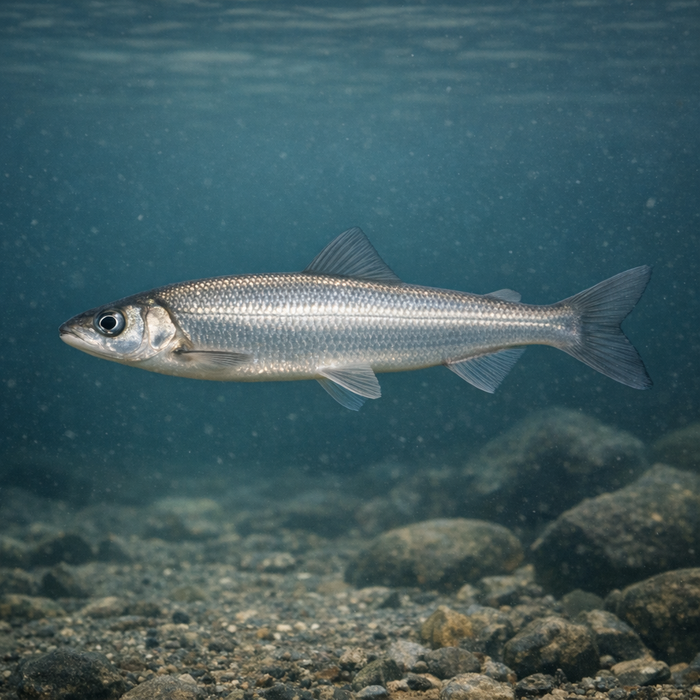
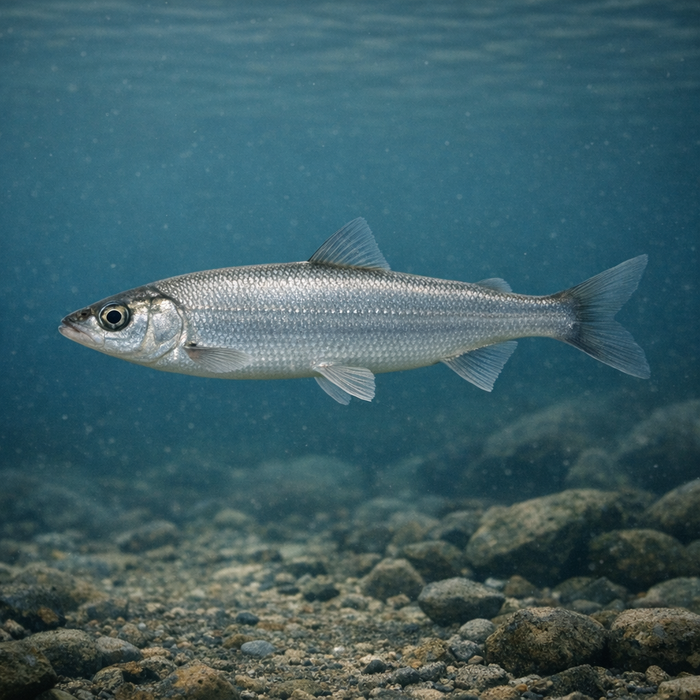
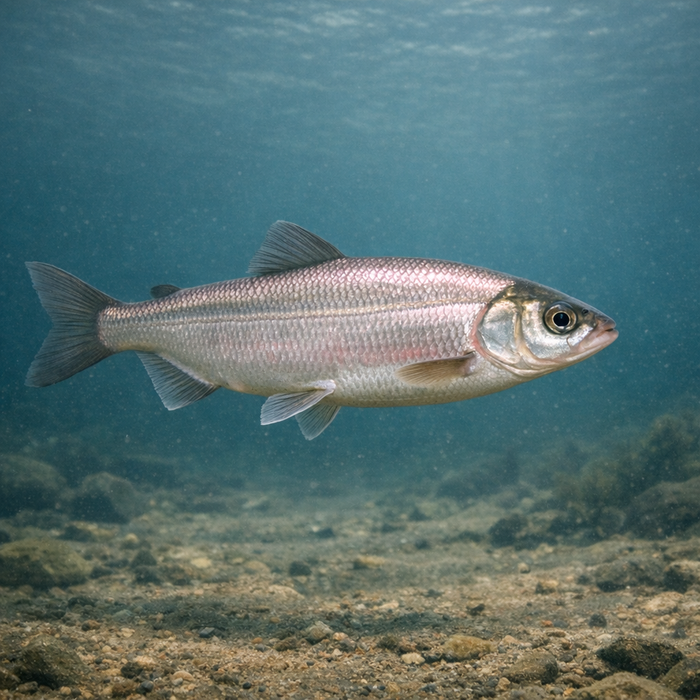
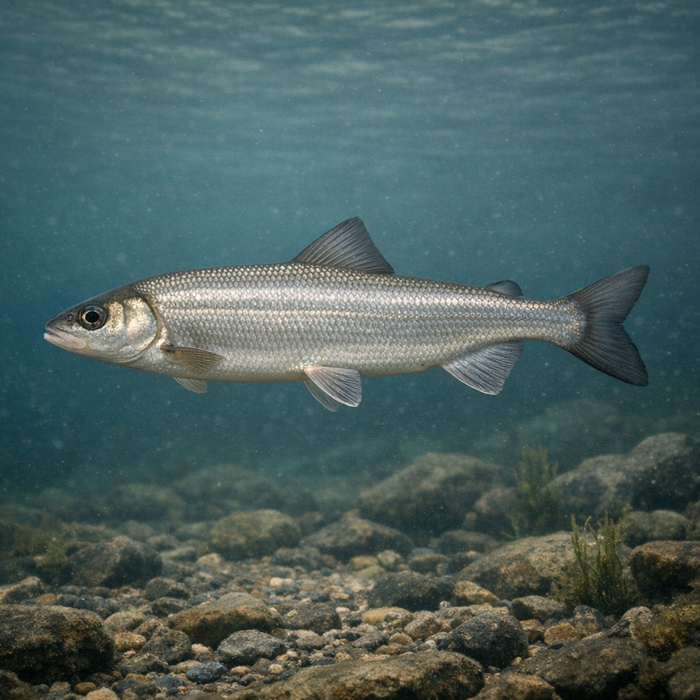
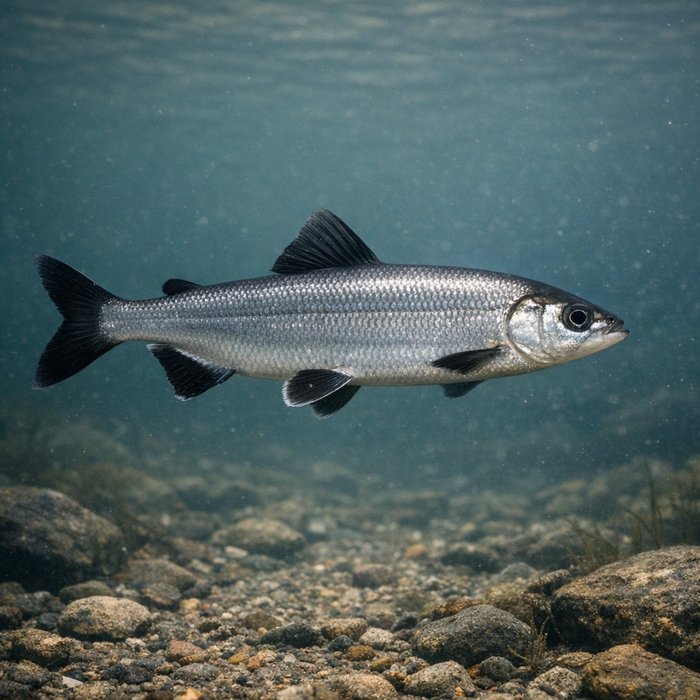
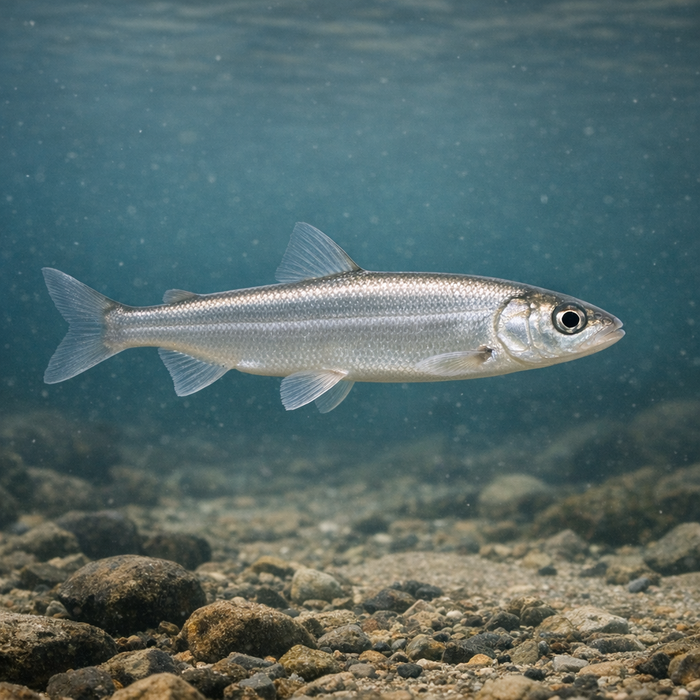
Kiyi (coregonus kiyi): Deep-lake ghost with headlights for eyesIntroductionIf you picture a fish carved from cold, cobalt water, you're thinking Kiyi. This pint-sized cisco cruises the deep basins of Lake Superior like a silver wisp with saucer eyes, munching tiny crustaceans where daylight barely matters. It's not a typical target for anglers, but if you geek out on oddball coldwater species, the Kiyi is one of the Great Lakes' most intriguing deep-dwellers.What Makes the Kiyi Unique?Two standout traits define the Kiyi: ridiculous eyes and a life spent in serious depth. Those oversized peepers are tuned for blue-shifted, low-light conditions, perfect for picking off opossum shrimp well below recreational diving range. Second, the Kiyi has a specialized filtration setup: fine, comb-like gill rakers that turn a cloud of plankton into dinner. Put simply, it's built for the night shift in the abyss. Add in a body plan streamlined for energy savings, and you've got a master of the deep that looks unassuming until you consider where and how it lives.Habitat & Global RangeHere's the straight Kiyi habitat download: deep, cold, and clean. The species historically ranged across multiple Great Lakes basins, but today it's overwhelmingly centered in Lake Superior's offshore troughs and basins. Think hundreds of feet of water, often hovering near the bottom but working the water column when prey rises at night. You won't stumble into many Kiyi along shore; this is offshore business for boats with solid sonar and a taste for obscurity. If you're scouting "Kiyi habitat," note that temperature stability is king, and Superior's near-39-degree depths provide it year-round.Behavior & TemperamentKiyi aren't brawlers or biters. They're efficient grazers, often grouping up and tracking nightly migrations of opossum shrimp. Expect subtle feeding windows and feather-light takes if you're experimenting with micro-jigs. While they can suspend midwater during nocturnal feeding, they spend plenty of time near bottom on soft sediments. The fish is not particularly wary; it's just nowhere near typical tackle most of the time. That's why dropshot-style or micro-vertical jigging is your best shot, typically under ice or from a very dialed-in deepwater setup.Ecological ImportanceFor a small fish, the Kiyi punches above its weight in the food web. It converts a vast supply of small crustaceans into protein packets for apex predators like lake trout and burbot. When you hear about Superior's legendary trout, remember there's a conveyor belt of deepwater forage behind them, and Kiyi is a quiet but vital part of that machine. Because it thrives in cold, oligotrophic water, it's also a bellwether for ecosystem change. Disrupt the deep and you'll feel it in species like this first.Conservation & Environmental PressuresKiyi populations blinked out in several Great Lakes, leaving Superior as the stronghold. Habitat alteration, historical overfishing for mixed ciscoes, and invasive species pressure likely played roles. Today, water clarity shifts, food web tinkering, and climate-driven warming loom large. While management differs by jurisdiction, harvest is often closed or incidental. The smart move for anglers is to treat Kiyi as a curiosity and a conservation win when you see one, not a bucket filler.The FishyAF TakeThe Kiyi is a specialist and we respect the hustle. It's tiny, weirdly handsome, and perfectly engineered for a world most anglers ignore. If you chase one, you're not doing it for meat or muscle; you're doing it to unlock a deep-lake riddle. As far as Kiyi facts go, the coolest is simple: it endures where others didn't. That's a flex. For the handful of anglers running micro jigs over black water, each blip on the graph could be a footnote in Superior's living history. Land it, admire it, and send it back down like you're returning a royalty to its throne.