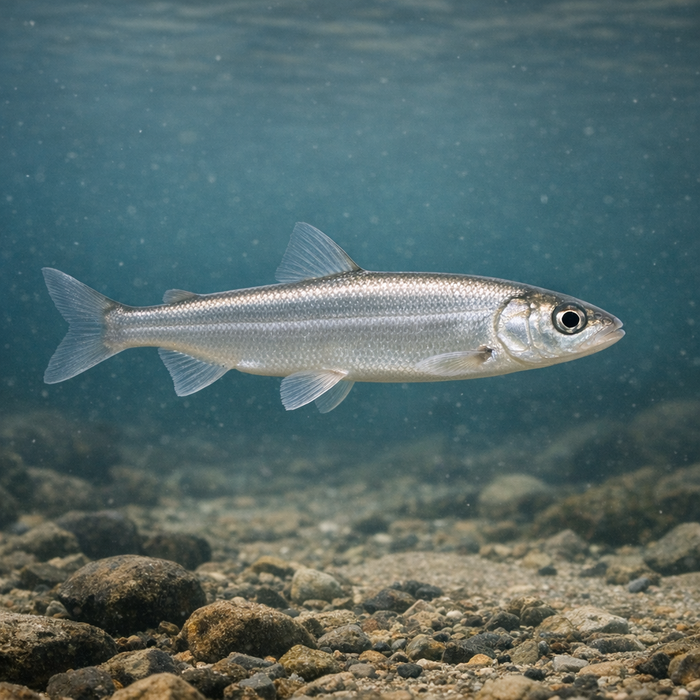
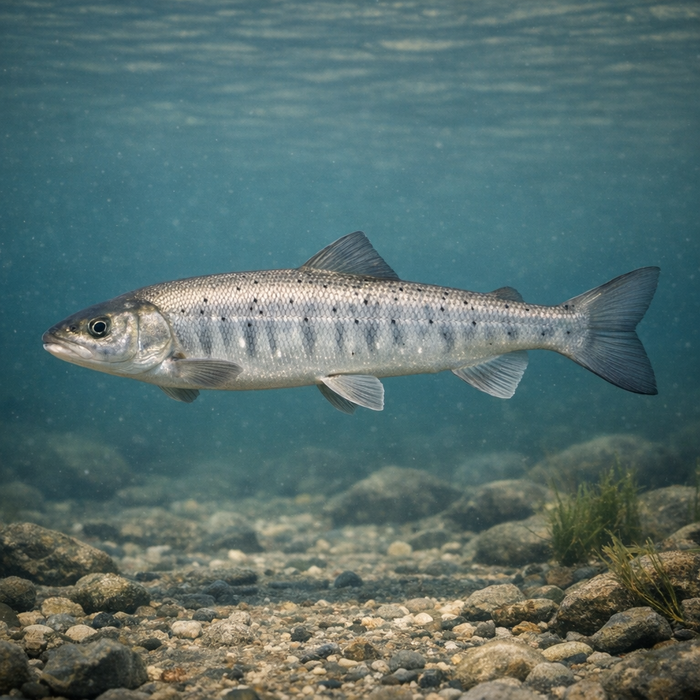
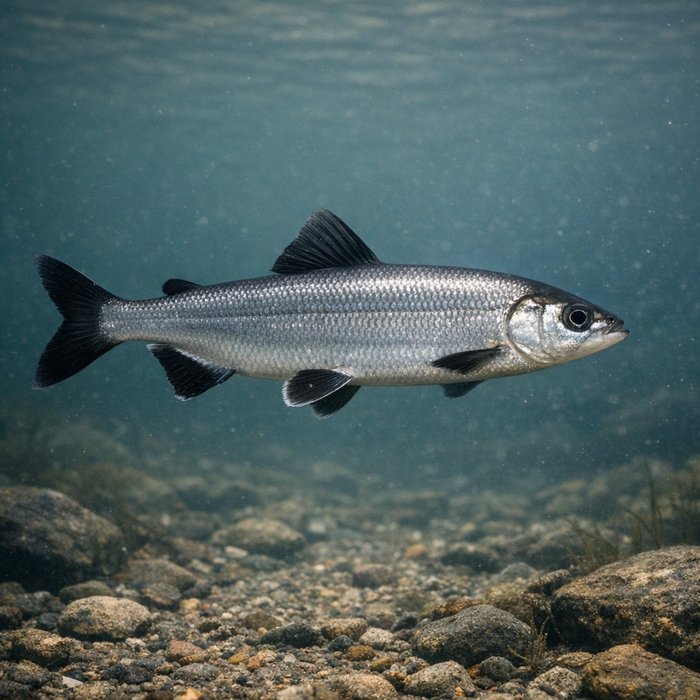
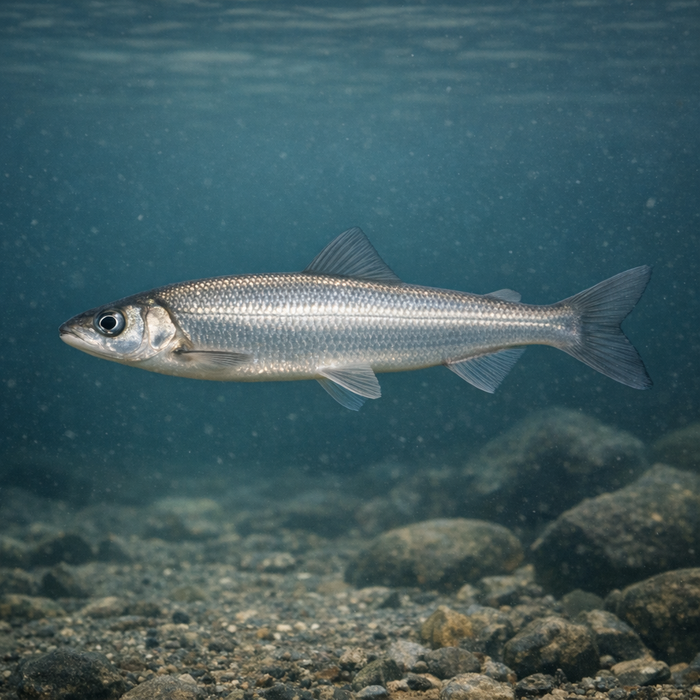
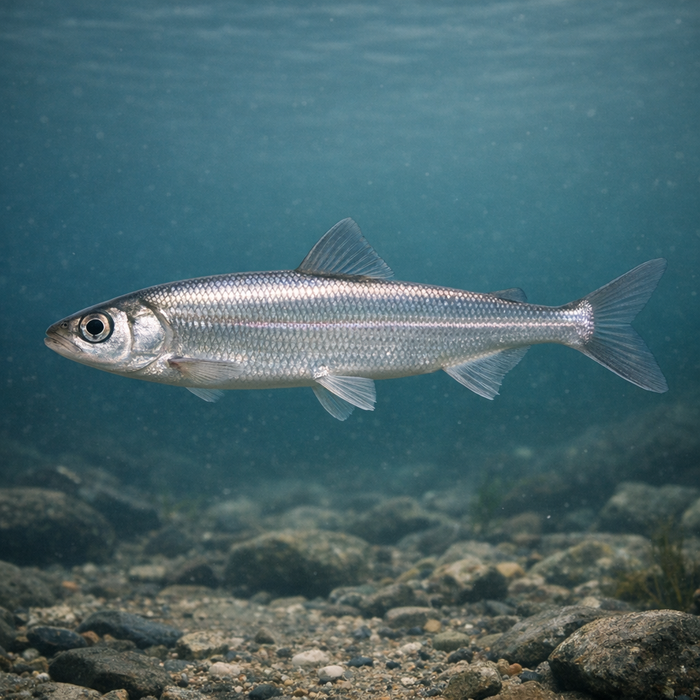
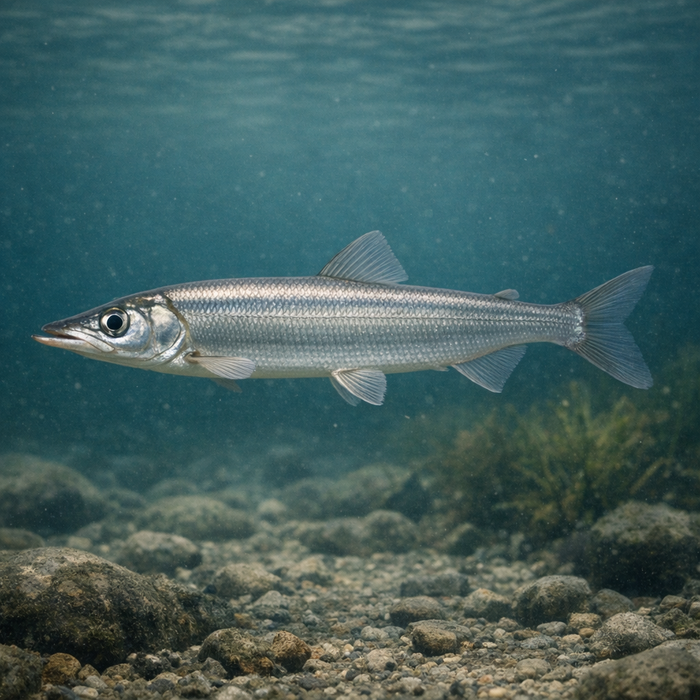
Bear Lake whitefish (Prosopium abyssicola): The deep-lake specialist that steals bites and wins patience battles.IntroductionIf you like your fish mysterious, precise, and a little stubborn, the Bear Lake whitefish is your huckleberry. This is the bottom-skulking salmonid that turns tiny jigs into big grins. It doesn't smash baits like a bass or peel drag like a trout. Instead, it picks, leans, and suddenly feels heavier than it looks. For anglers who crave something different, the Bear Lake whitefish is a masterclass in subtlety and depth.What Makes the Bear Lake whitefish Unique?Start with lineage: it's a true salmonid, but it plays a completely different game than flashy trout cousins. Think torpedo frame, adipose fin, and a downturned mouth designed for vacuuming benthic snacks. Add big eyes wired for dim light and you get a fish built to live deep, see well, and graze on the lake floor with surgical intent. Among Bear Lake's trio of whitefishes, this one is the bottom loyalist, a specialist that thrives where pressure, light, and noise fade. Those are the standout Bear Lake whitefish facts that matter to anglers: deep orientation, delicacy on the bite, and a body tailored for the job.Habitat & Global RangeLet's talk Bear Lake whitefish habitat. The name is literal, and the habitat is specific: crisp, clear, calcium-rich water with sprawling marl and cobble bottoms, long sloping breaks, and deep basins. We're talking 40 to 120 feet as a routine playground, with quick access to even deeper water when conditions demand. The water is famously clear, which makes stealth a theme and vertical presentations the norm. If your comfort zone is bank casting at sunset, this fish will nudge you toward a boat, electronics, or an ice auger.Behavior & TemperamentThe Bear Lake whitefish isn't aggressive; it's deliberate. It schools loosely over featureless flats, then tightens up near drop-offs and transitions as feeding windows open. Bites feel like extra weight or a faint tick. Hook up, and you'll get a dogged, head-shaking pull rather than fireworks. The fight's charm is honesty: no tricks, just steady pressure from a thick-shouldered, surprisingly heavy fish. It's also picky about presentations. Small offerings, natural scents, and clean knots matter. Hooking one is a quiet flex of skill more than chaos-and-drag-scream luck.Ecological ImportanceDown on the bottom, the Bear Lake whitefish is a tidy operator. It recycles nutrients by chewing through snails, scuds, and other invertebrates, turning lake-floor biomass into fish protein and feeding the bigger food web. That deep-foraging habit helps keep invertebrate communities balanced and moves energy up the chain to lake trout and other predators. In short, it's not just another fish; it's plumbing for the lake's biology, running 24/7 in the shadows.Conservation & Environmental PressuresWhile not a front-page conservation crisis, the Bear Lake whitefish still lives by a fragile rulebook. Water clarity, temperature, and bottom chemistry are non-negotiable. Big swings in lake level, siltation from shoreline disturbance, or invasive species that shuffle the invertebrate menu can punch above their weight here. Angling pressure is modest, but responsible handling keeps it that way: barbless hooks if you like, quick releases, and cold-keeping fish if harvested. A healthy benthic community and stable depths are the real lifelines.The FishyAF TakeThe Bear Lake whitefish is the anti-hype fish. No hero shots with fly line arcing through the air. No screaming reels. Just you, a tight column of water, a small jig, and a blip on the flasher that turns into dinner. It's a thinking person's target: minimal flash, maximum satisfaction. If you're game to trade chaos for craft, the Bear Lake whitefish will reward you with the kind of confidence that spills into everything else you chase. Subtle bites, deep water, clean technique. That's the whole mood, and it's a good one.