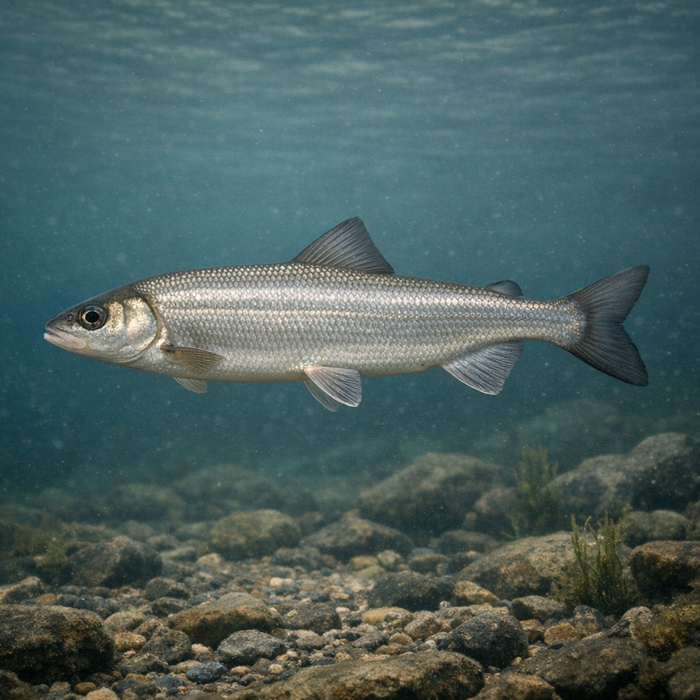
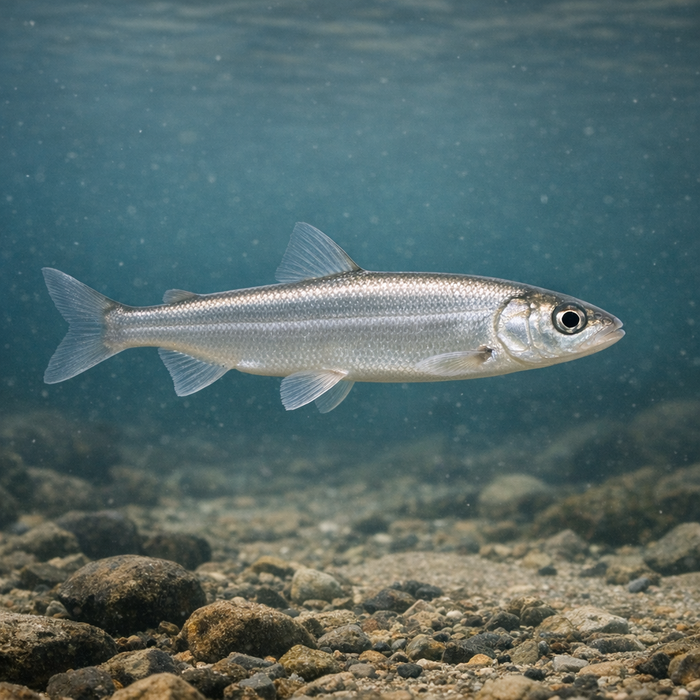
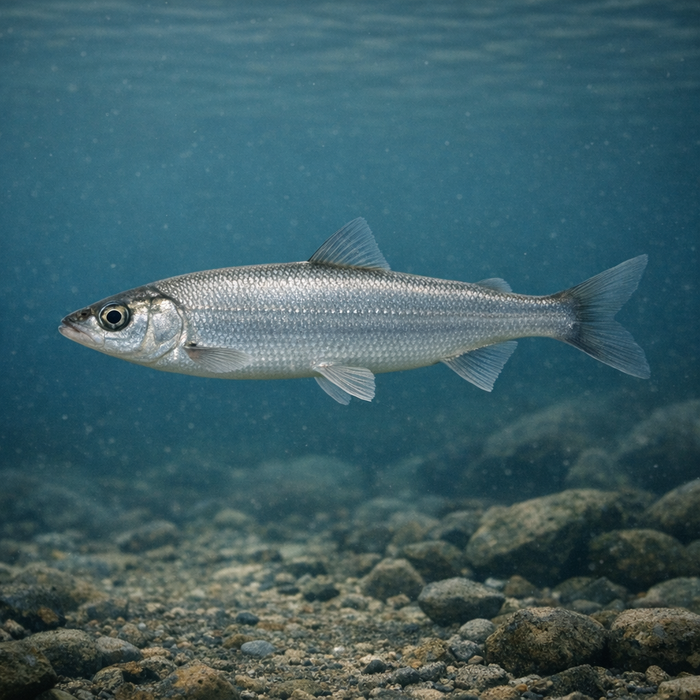
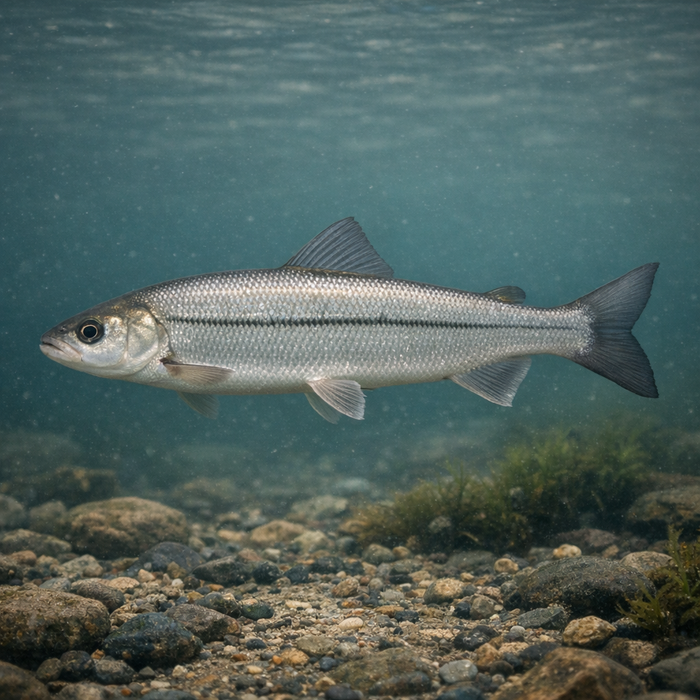
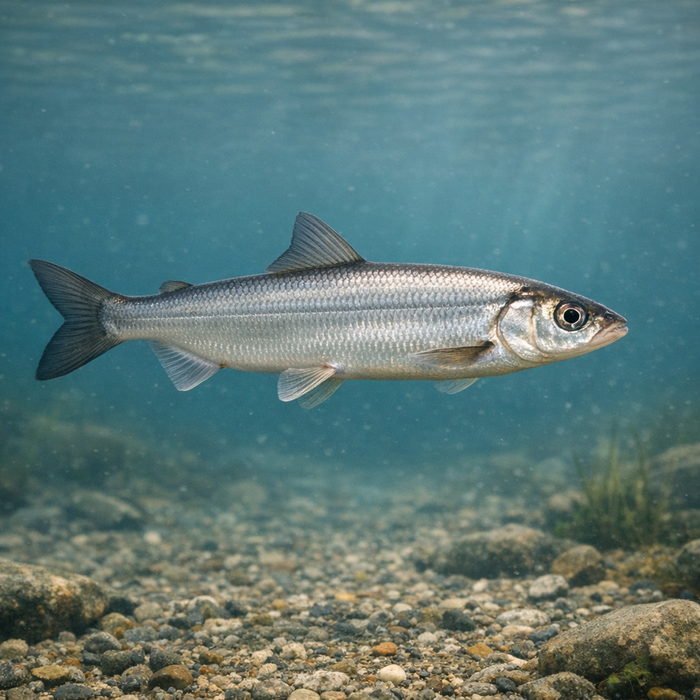
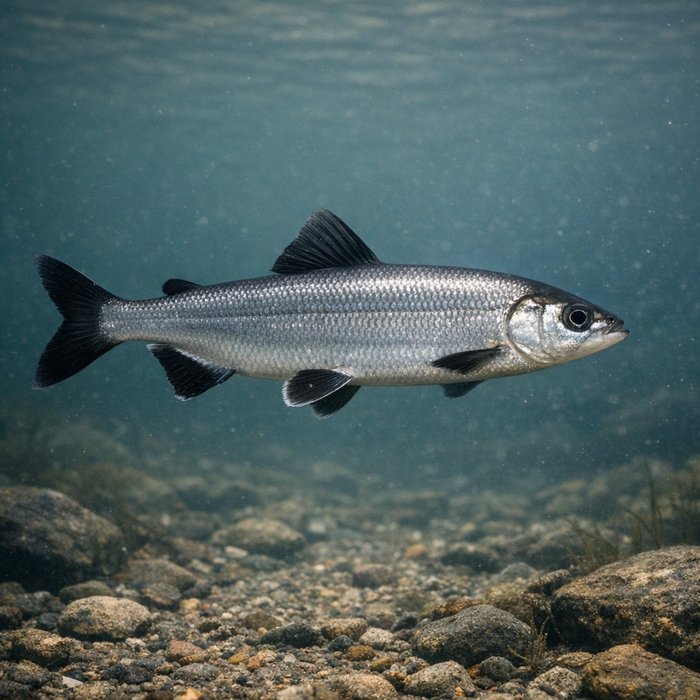
Bonneville Whitefish (Prosopium spilonotus): A Bold, Memorable Hook LineIntroductionThe Bonneville whitefish is the quiet powerlifter of Bear Lake: unflashy at first glance, but surprisingly tough to fool and downright addictive once you dial it in. It's a precision fish in a postcard setting, thriving in frigid, gin-clear water where sloppy presentations go to die. If you like small hooks, light line, and a challenge that rewards patience, this is your kind of obsession. Consider these Bonneville whitefish facts your entry ticket.What Makes the Bonneville whitefish Unique?First, it's a relic specialist from the ancient Lake Bonneville story, locked almost entirely to one big, cobalt-blue lake on the Utah-Idaho border. That isolation shaped a fish with subtle traits: a speckled back, a dainty, downturned mouth, and a stubborn love for cold, oxygen-rich water. Second, the Bonneville whitefish spawns in early winter, often beneath ice, packing the rocky shoals with fish when most anglers are hibernating. Third, its feeding style is surgical. This fish inhales tiny offerings and rejects mistakes instantly, making finesse not optional but mandatory.Habitat & Global RangeLet's be real: the Bonneville whitefish habitat is one-of-one. Bear Lake is its kingdom. Think deep, clear, and cold with long stretches of cobble and boulder-studded shoreline. In warm months, fish commonly slide deeper, riding the cooler layers where plankton and invertebrate life still hum. As ice sets, they push shallower around shoals and points, especially as the spawn nears. This consistency makes them predictable on paper, but Bear Lake's vast clarity demands stealth, especially on sunny days and calm conditions.Behavior & TemperamentBonneville whitefish aren't bruisers. They're deliberate. They school loosely, ghosting along structure lines and depth transitions. The bite window is often best at first and last light, with mid-day action tied to subtle weather shifts. Strikes are tap-light; miss the micro-tell and you'll never even feel them. Through the ice, their mood flips with pressure waves, noise, and jig cadence. Get quiet, downsize, and think needle-threading, not hammer-swinging. Hooked fish pinwheel and dog quietly; landing them is more about not tearing out tiny hooks than overpowering runs.Ecological ImportanceThis is a clean, coldwater cog in Bear Lake's food web. The Bonneville whitefish hoovers benthic invertebrates and transfers energy to higher predators, while also making seasonal use of egg drifts from other fish. Its winter spawn pumps biomass into the system at a time many species are throttled back. In short, it's not just another salmonid; it's an anchor species in a unique alpine-lake machine.Conservation & Environmental PressuresWhile currently listed as Least Concern, nothing about a one-lake endemic is bulletproof. Water level swings, shoreline development, invasive species, and nutrient shifts all carry outsized risk. Clear water isn't just pretty; it's habitat. Heavy sediment plumes or altered spawning shoals could ding recruitment fast. The good news: active oversight from two states keeps monitoring tight, and angler harvest is typically light. Still, respect seasonal concentrates and handle fish gently, especially during the winter crowd-ups on rocky points.The FishyAF TakeThe Bonneville whitefish is a finesse trophy hiding in plain sight. If you chase screaming drags, it won't headline your highlight reel. But if you savor solving puzzles, this fish is bait-sized chess with a cold alpine backdrop. Go light, move quiet, and own the tiny details. When you finally stick a thick, speckled whitefish on a whisper-thin setup, you'll get it. This isn't a consolation prize. It's a specialized game fish in a legendary lake, and cracking it feels like you learned a local secret overnight.