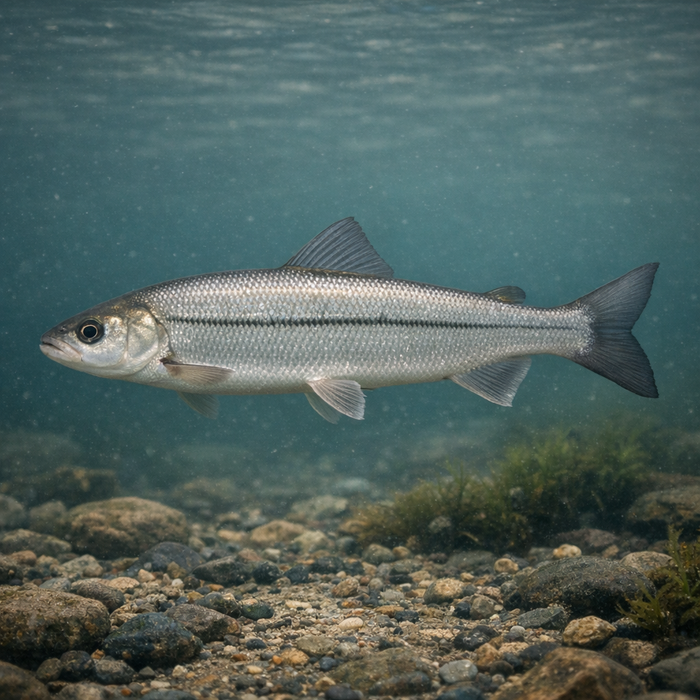
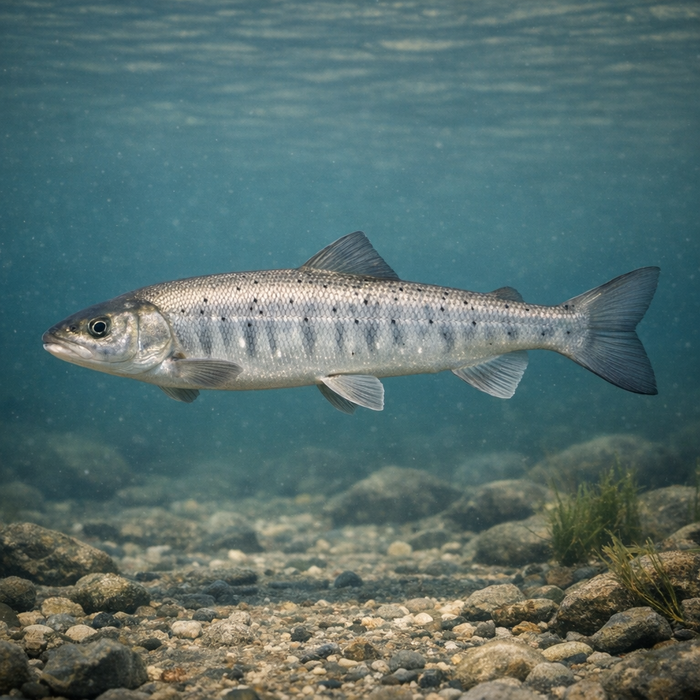
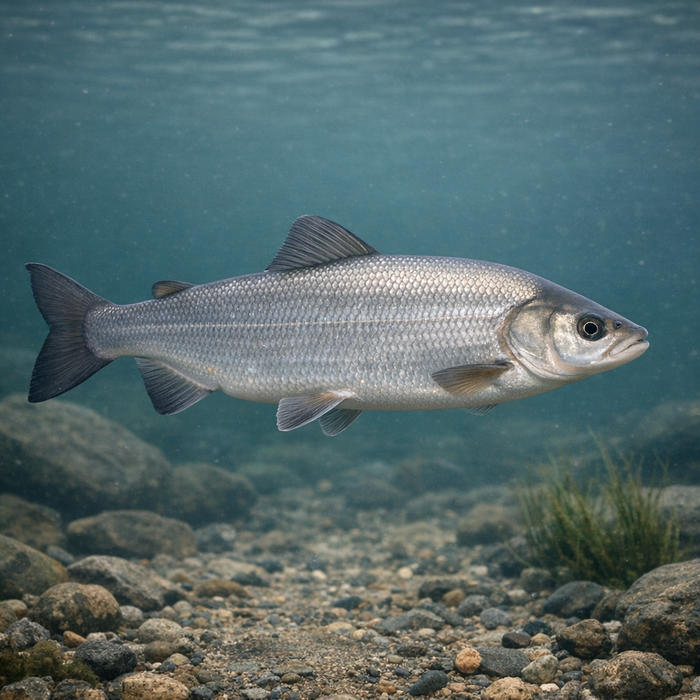
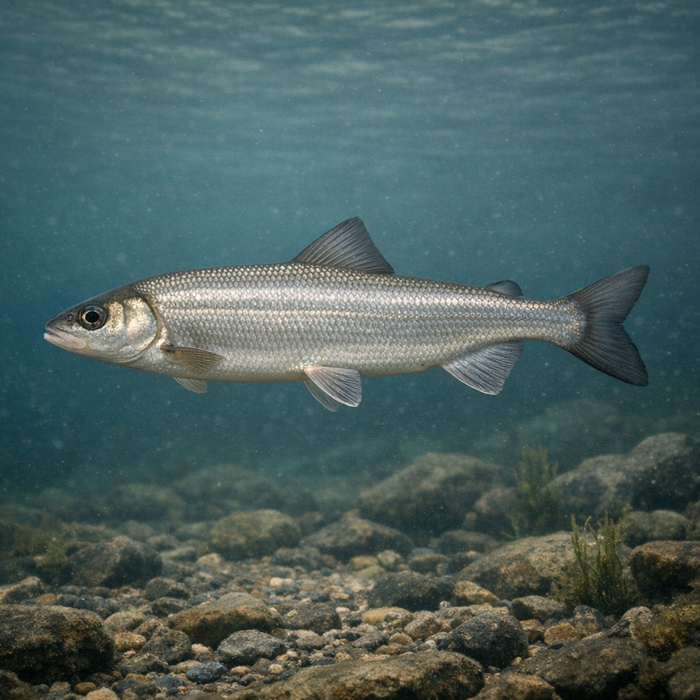
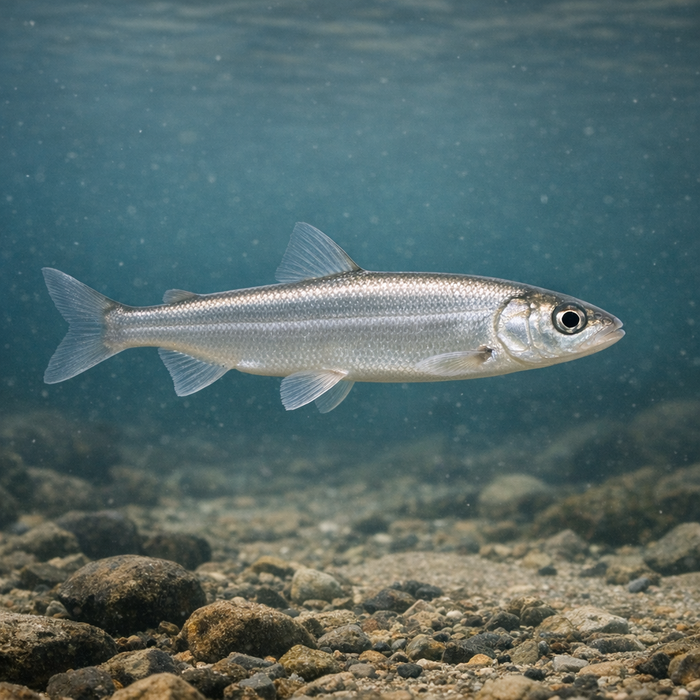
Sardine Cisco (Coregonus sardinella): A Bold, Memorable Hook LineIntroductionThe sardine cisco is the Arctic's pocket rocket: small, silvery, and shockingly pivotal to coldwater food webs. Most anglers never see one, and that's a shame. Where these fish roam, winters are long, ice is thick, and life moves to a different beat. But pack a tiny jig and some patience, and the sardine cisco will show you just how alive the frozen North can be. If you're sniffing around for sardine cisco facts or curious about sardine cisco habitat, grab a hot drink and read on.What Makes the Sardine cisco Unique?First, efficiency. This fish is built to vacuum zooplankton with rows of fine gill rakers, turning drifting specks into muscle and oil. Second, stamina. Sardine cisco move between lakes, rivers, and brackish lagoons with stoic ease, shrugging off temperature swings and salinity changes that would rattle fussier species. Third, timing. They spawn late, often under forming ice, betting the farm on spring-thaw hatches that line up with fresh, hungry fry. It's a masterclass in surviving where nature barely blinks above freezing.Habitat & Global RangeThink subarctic to Arctic. The sardine cisco cruises Alaska, northern Canada, and clear across Siberia. Depending on the watershed, populations may be strictly freshwater or slide in and out of coastal lagoons during feeding and staging runs. Lakes with deep basins and broad pelagic zones are prime cisco country, but lowland rivers with moderate flow also carry huge seasonal pulses. In open water, schools roam mid-depths, drifting along drop-offs and basins where zooplankton stacks. When it's time to migrate, they can cover long distances, funneling into tributaries to broadcast eggs over clean gravel while winter sets its teeth.Behavior & TemperamentThis isn't a structure hugger. Sardine cisco roam big, school tight, and follow food. Aggression is low but consistent; they'll peck at tiny jigs, midge imitations, and small spoons with polite persistence. The strike is more nod than knockout, so pay attention. Under ice, flurries are common when a school moves through, then nothing until the next wave. Fight-wise, the sardine cisco is no drag-burner, but on ultralight tackle they're a steady, slippery handful and fun in numbers.Ecological ImportanceSmall fish, big job. The sardine cisco converts plankton into rocket fuel for the North: trout, char, pike, burbot, birds, and marine mammals all cash checks written by cisco biomass. In lakes, they're a gear in the energy-transfer machine, stabilizing food webs and shuttling nutrients horizontally and vertically as they commute between surface light and deeper safety. For many northern communities, sardine cisco are also cultural and caloric cornerstones, smoked, boiled, or wind-dried into reliable winter protein.Conservation & Environmental PressuresOfficially, the species is broadly secure, but that headline misses the nuance. Sardine cisco depend on clean gravel for spawning, predictable flows, and cold, well-oxygenated water. Rapid warming can scramble plankton timing, reduce oxygen in deeper layers, and upend migration windows. Development and siltation threaten spawning runs in certain drainages. Because a lot of their range is remote, problems can hide in plain sight until they're big. Vigilant local management and watchful community science matter more than flashy conservation campaigns here.The FishyAF TakeIf you want fireworks, chase salmon. If you want to understand northern water, chase sardine cisco. They're the silver threads stitching together lakes, rivers, and coastal lagoons, and they'll humble any angler who thinks only big fish matter. Scale down, slow down, and watch your line like it owes you money. The magic of the sardine cisco isn't in one fish. It's in the rhythm of a school sliding through the column, the soft tap, and the cold grin that follows. For learning the pulse of Arctic water, this little whitefish is graduate school in a silver suit.