Arctic Char (Salvelinus alpinus): The Cold-Water Champion That Defies the Limits of Survival
Arctic Char is the ultimate cold-water fish, thriving where most others freeze out. This hardy salmonid species is a master of extremes, inhabiting some of the planet’s harshest aquatic environments. Its striking appearance and remarkable adaptability make it a standout in the world of freshwater and anadromous fish. Whether you’re a seasoned angler, a conservationist, or just curious about Arctic Char facts, this guide dives deep into what makes this fish a true survivor and a key player in its ecosystem.
What Makes the Arctic Char Unique?
Arctic Char is a chameleon of the cold. Unlike many fish that stick to one habitat type, Arctic Char can live in both freshwater lakes and rivers and saltwater coastal areas. This dual lifestyle is rare and speaks to its evolutionary finesse. It’s the northernmost freshwater fish species, enduring freezing temperatures that would kill most others.
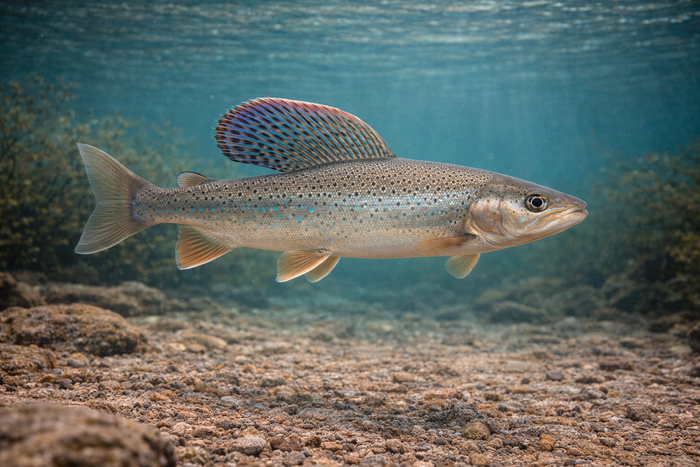
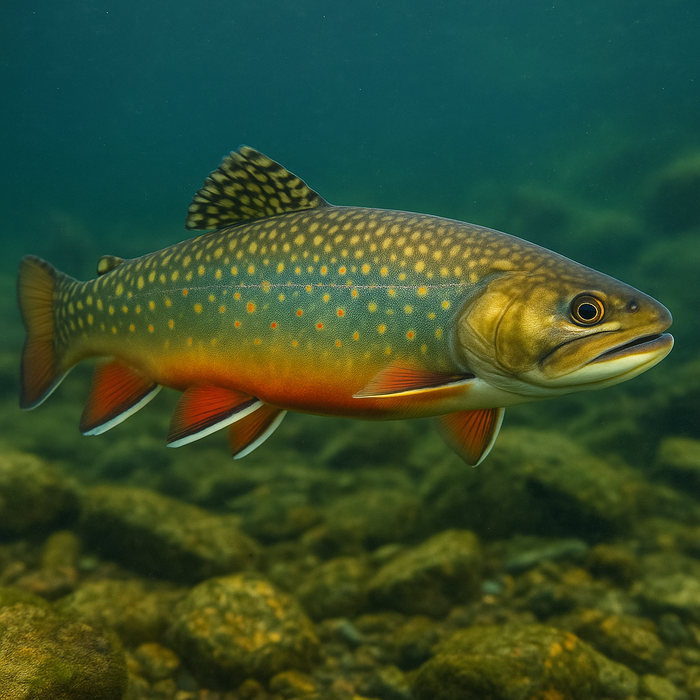
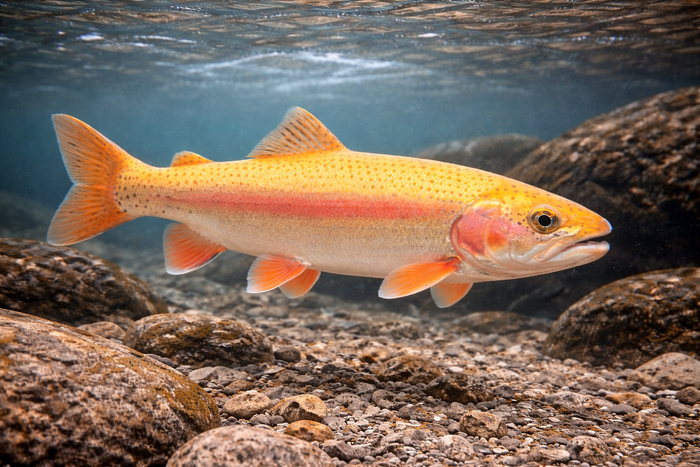
Physically, Arctic Char stands out with its vibrant coloration. During spawning, males develop bright red or orange bellies contrasted by dark backs, a visual spectacle in icy waters. The species also boasts a robust body built for stamina and speed, with a mouth full of sharp teeth designed for a carnivorous diet that includes insects, smaller fish, and crustaceans.
Arctic Char’s genetic diversity is impressive, with populations adapted to local conditions across the Arctic and sub-Arctic regions. This adaptability is a survival blueprint, allowing it to exploit various niches from deep lakes to coastal fjords.
Habitat & Global Range
Arctic Char habitat spans the circumpolar north, from northern Europe and Siberia to Alaska and northern Canada. It’s found in cold, oxygen-rich waters—think glacial lakes, deep fjords, and cold rivers. The species is a true cold-water specialist, often living near or below the freezing point of freshwater.
Its range is vast but fragmented. Some populations are strictly freshwater residents, while others migrate to the sea and return to freshwater to spawn. This migratory behavior is a key Arctic Char fact that highlights its ecological flexibility. The fish’s ability to switch between habitats allows it to exploit seasonal food sources and avoid predators.
Behavior & Temperament
Arctic Char is a stealthy predator with a calm demeanor until provoked. It’s not aggressive toward humans but fiercely territorial during spawning season. The fish uses its sharp eyesight and quick reflexes to hunt in low-light conditions under ice or in deep water.
During spawning, Arctic Char undergoes dramatic behavioral changes. Males become highly competitive, engaging in physical contests to secure prime nesting sites. Females carefully select these sites, often gravel beds in streams or lake shores, where oxygen flow is optimal for eggs.
Outside breeding, Arctic Char tends to school in small groups, especially juveniles. Its diet shifts with age and habitat, starting with invertebrates and progressing to fish and larger prey. This opportunistic feeding behavior is a survival tactic in the nutrient-scarce Arctic environment.
Ecological Importance
Arctic Char plays a crucial role in Arctic and sub-Arctic ecosystems. As both predator and prey, it maintains balance in aquatic food webs. By feeding on insects and smaller fish, it controls populations that could otherwise explode and disrupt the ecosystem.
The species also serves as a vital food source for larger predators like bears, eagles, and seals. Its presence indicates healthy, oxygen-rich waters, making it an ecological indicator species. Changes in Arctic Char populations often signal shifts in water quality or climate conditions, providing early warnings for ecosystem health.
For indigenous communities, Arctic Char is more than just a fish. It’s a cultural and nutritional cornerstone, supporting traditional lifestyles and local economies. Sustainable harvesting of Arctic Char has been practiced for centuries, reflecting its deep-rooted significance.
Conservation & Environmental Pressures
Despite its resilience, Arctic Char faces mounting threats. Climate change is the biggest challenge, altering water temperatures and ice cover in its habitat. Warmer waters can reduce oxygen levels and disrupt spawning cycles, pushing Arctic Char beyond its physiological limits.
Habitat degradation from mining, pollution, and hydroelectric projects also jeopardizes populations. These activities can destroy spawning grounds and introduce contaminants that accumulate in the fish’s tissues.
Overfishing is a localized concern, especially where commercial and subsistence fishing overlap. While many Arctic Char populations remain stable, some are declining, prompting conservation measures.
Efforts to protect Arctic Char focus on habitat preservation, sustainable fishing practices, and monitoring environmental changes. Protecting cold-water refuges and maintaining water quality are critical to ensuring this species continues to thrive.
The FishyAF Take
Arctic Char is the embodiment of cold-water endurance and ecological finesse. Its ability to survive and adapt in some of the planet’s most extreme environments is nothing short of remarkable. This fish isn’t just another salmonid; it’s a living testament to evolutionary innovation and environmental resilience.
For anglers, Arctic Char offers a challenging and rewarding pursuit, combining beauty and tenacity in one sleek package. For conservationists, it’s a bellwether species that demands attention in a warming world.
Understanding Arctic Char facts and habitat is essential for appreciating its role in the Arctic ecosystem and the urgent need to protect it. This fish is a bold reminder that survival in the wild isn’t just about strength—it’s about adaptability, timing, and respect for the environment. Keep an eye on Arctic Char; it’s a species that will continue to teach us about life on the edge.