Brown Trout (Salmo trutta): The River’s Cunning Predator with a Golden Touch
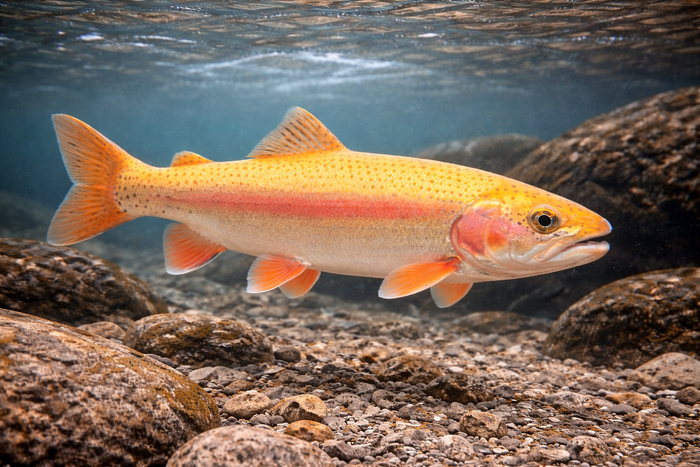
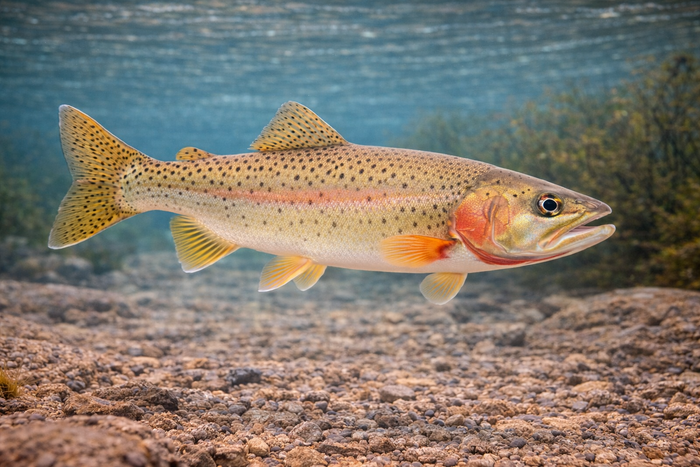
The Brown Trout is no ordinary fish. It’s a master of disguise, a survivor, and a prize catch for anglers worldwide. Known for its striking golden-brown body speckled with black and red spots, this species commands respect in freshwater ecosystems. Whether lurking in a shaded river bend or cruising a deep lake, the Brown Trout combines beauty, resilience, and a fierce predatory instinct. This guide dives deep into Brown Trout facts, revealing what makes this species a standout in the world of freshwater fish.
What Makes the Brown Trout Unique?
Brown Trout are the chameleons of the trout family. Their coloration and patterns shift depending on their environment, making them incredibly adaptable. Unlike their close cousins, the Rainbow Trout, Brown Trout can thrive in a wider range of water conditions, from cold mountain streams to brackish estuaries. They’re also among the few trout species that can live in both freshwater and saltwater, with some populations migrating to sea and returning to spawn.
Their diet is another point of distinction. Brown Trout are opportunistic feeders with a palate that includes insects, crustaceans, smaller fish, and even amphibians. This varied diet fuels their aggressive hunting style and contributes to their robust growth. Their keen sense of sight and lateral line system allow them to detect prey and predators alike, making them formidable both as hunter and survivor.
Habitat & Global Range
Brown Trout originated in Europe and Western Asia but have since been introduced worldwide, from North America to New Zealand. Their ability to adapt to different Brown Trout habitats is remarkable. They prefer cool, well-oxygenated waters with plenty of cover—think rocky riverbeds, submerged logs, and overhanging vegetation. These environments provide shelter and hunting grounds, essential for their survival.
In rivers, Brown Trout often favor riffles and pools where current speed varies, allowing them to conserve energy while ambushing prey. In lakes, they tend to stay near the shoreline or in deeper, cooler waters during warmer months. Their tolerance for a range of water chemistries and temperatures has made them a successful invasive species in some regions, sometimes to the detriment of native fish populations.
Behavior & Temperament
Brown Trout are solitary and territorial. They stake out prime real estate and defend it aggressively from rivals. This territorial nature is especially pronounced during spawning season when males become intensely competitive. Outside of breeding, they are stealthy hunters, relying on patience and camouflage rather than speed.
Their behavior changes with the seasons. In colder months, they slow down, conserving energy and feeding less. When spring arrives, their activity spikes, and they become more visible and aggressive. Brown Trout are also known for their wariness, often spooking easily, which makes catching them a challenge that demands skill and finesse from anglers.
Ecological Importance
Brown Trout play a crucial role in freshwater ecosystems. As mid-level predators, they help regulate populations of aquatic insects and smaller fish, maintaining a balanced food web. Their presence often indicates healthy water quality since they require clean, oxygen-rich environments. This makes them valuable bioindicators for conservationists and environmental scientists.
Moreover, Brown Trout contribute to nutrient cycling. When they spawn and die, their bodies release nutrients back into the water, supporting aquatic plants and microorganisms. Their predation also influences the behavior and distribution of prey species, indirectly shaping the aquatic community structure.
Conservation & Environmental Pressures
Despite their adaptability, Brown Trout face significant threats. Habitat degradation from pollution, sedimentation, and water extraction reduces the quality of their spawning and feeding grounds. Climate change poses a growing risk by warming water temperatures beyond their comfort zone and altering stream flows.
Invasive species and hybridization with other trout species can dilute genetic diversity, weakening populations. Overfishing, particularly in popular angling spots, also pressures Brown Trout numbers. Conservation efforts focus on habitat restoration, pollution control, and sustainable fishing regulations to protect this iconic species.
The FishyAF Take
The Brown Trout is a fish that demands respect. It’s not just a trophy for anglers but a vital player in freshwater ecosystems. Its adaptability, cunning behavior, and ecological role make it a fascinating subject for anyone serious about understanding freshwater biology. Brown Trout facts reveal a species that’s more than just a pretty catch—it’s a survivor and a sentinel of aquatic health. If you want to fish smarter or simply appreciate the complexity of freshwater life, the Brown Trout is a perfect place to start.