Yellowstone Cuthroat (Oncorhynchus clarkii bouvieri): The Rugged Native Trout That Owns the Rockies
The Yellowstone Cuthroat trout is not your average freshwater fish. This subspecies of the cutthroat trout family is a symbol of resilience and wild beauty in the cold, clear waters of the Yellowstone River drainage. Known scientifically as Oncorhynchus clarkii bouvieri, it carries the legacy of the American West’s rugged landscapes and complex ecosystems. If you’re diving into Yellowstone Cuthroat facts, get ready to meet a fish that’s as tough as it is iconic.
What Makes the Yellowstone Cuthroat Unique?
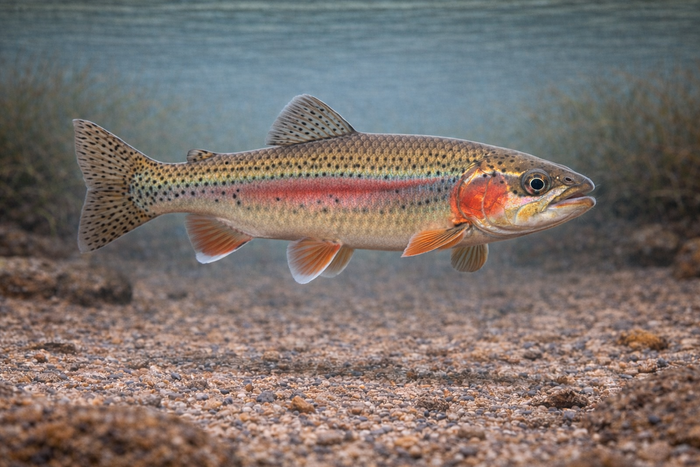
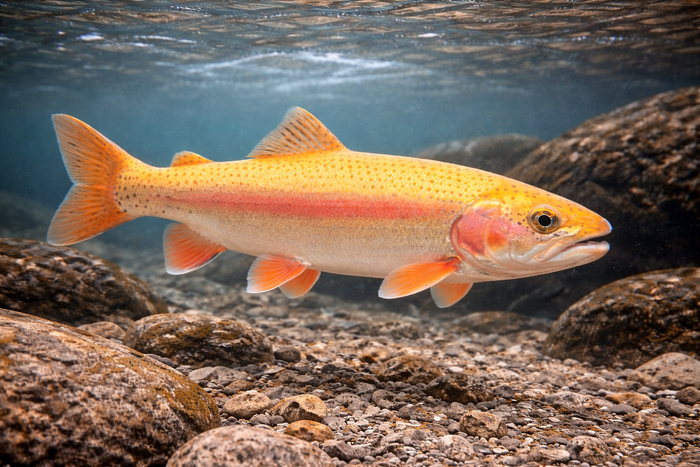
The Yellowstone Cuthroat stands out among cutthroat trout for its distinctive coloration and genetic lineage. It sports a golden to olive-green body with a subtle red slash under the jaw—the hallmark of cutthroats. What sets it apart is the pattern of spots, which tend to be concentrated toward the tail, and a more muted, earthy palette compared to other subspecies. This trout is a product of millennia of adaptation to the high-altitude, cold-water streams of the Yellowstone region.
Unlike some of its relatives, the Yellowstone Cuthroat has a strong preference for headwater streams and spring-fed tributaries, where water clarity and temperature remain stable. It’s genetically distinct enough to warrant special conservation attention, making it a key species for understanding native trout biodiversity in the Rocky Mountains.
Habitat & Global Range
The Yellowstone Cuthroat’s habitat is tightly linked to the Yellowstone River drainage system, primarily within Wyoming, Montana, and parts of Idaho. Its range is relatively limited compared to other cutthroat trout subspecies, confined mostly to the upper Yellowstone watershed and adjacent tributaries. This fish thrives in cold, well-oxygenated waters with gravelly stream beds ideal for spawning.
Yellowstone Cuthroat habitat is characterized by high-elevation streams, often above 6,000 feet, where temperatures rarely exceed 65 degrees Fahrenheit. These environments provide the perfect balance of food availability and predator avoidance. The fish’s range does not extend beyond this ecosystem, making it a true endemic species of the Yellowstone region.
Behavior & Temperament
Yellowstone Cuthroat trout are opportunistic feeders with a diet that shifts seasonally. They primarily consume aquatic insects, small crustaceans, and occasionally small fish or amphibians. Their feeding behavior is strategic, often taking advantage of insect hatches and drifting prey. They are known for their territorial nature during spawning season, fiercely guarding gravel nests called redds.
In terms of temperament, these trout are wary and quick to bolt, a survival trait honed by predators like birds, otters, and larger fish. They are not aggressive but will defend their spawning grounds with surprising vigor. Anglers prize the Yellowstone Cuthroat for its spirited fight and elusive nature, making it a challenging and rewarding catch.
Ecological Importance
The Yellowstone Cuthroat plays a critical role in its native ecosystem. As both predator and prey, it helps maintain the balance of aquatic insect populations and serves as a food source for larger predators. Its presence indicates a healthy, functioning freshwater ecosystem, as it requires clean, cold water and intact riparian zones.
This trout also contributes to nutrient cycling. When spawning, adults transport marine-derived nutrients upstream, enriching the stream environment and supporting a diverse community of organisms. The Yellowstone Cuthroat’s health reflects broader environmental conditions, making it a valuable bioindicator for conservationists and ecologists monitoring the Yellowstone region.
Conservation & Environmental Pressures
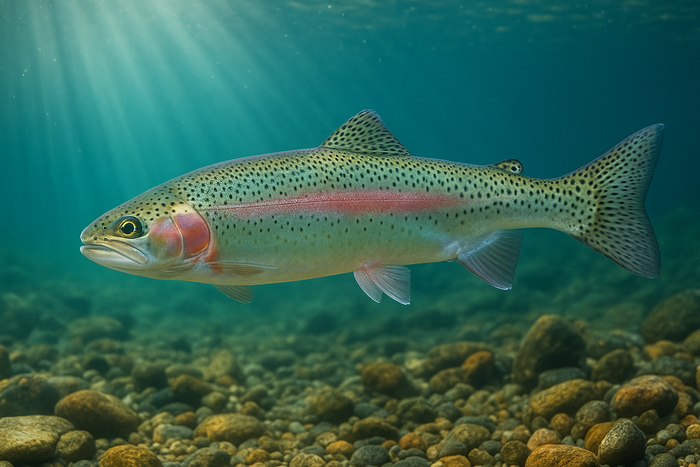
Despite its rugged reputation, the Yellowstone Cuthroat faces significant threats. Habitat degradation from development, water diversion, and pollution has reduced suitable spawning and feeding areas. The introduction of non-native species like rainbow trout has led to hybridization, diluting the genetic purity of the Yellowstone Cuthroat. Competition and predation from these invaders further stress native populations.
Climate change adds another layer of pressure by altering stream temperatures and flow patterns, potentially pushing this cold-water specialist beyond its thermal limits. Conservation efforts focus on habitat restoration, invasive species control, and maintaining genetic integrity through careful monitoring and management.
Protecting Yellowstone Cuthroat habitat is crucial not only for this subspecies but for the entire aquatic ecosystem it supports. Agencies and conservation groups work to balance human use with ecological preservation, aiming to keep these trout thriving in their native waters.
The FishyAF Take
The Yellowstone Cuthroat is a trout that demands respect. It’s a living relic of the Rocky Mountain wilderness, shaped by harsh conditions and ecological complexity. Understanding Yellowstone Cuthroat facts means appreciating its role beyond just a sport fish—it’s a cornerstone species for one of America’s most iconic ecosystems.
For anglers and conservationists alike, the Yellowstone Cuthroat represents both a challenge and a responsibility. Its survival hinges on protecting the pristine waters it calls home and resisting the tide of invasive species and environmental change. If you want to connect with the wild heart of the Rockies, learning about and supporting the Yellowstone Cuthroat is a solid place to start.