Rainbow Trout (Oncorhynchus mykiss): The Flashy Fighter of Freshwater Streams
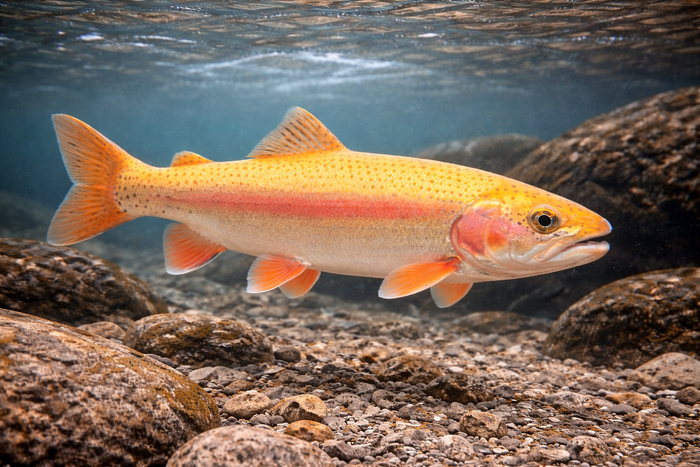
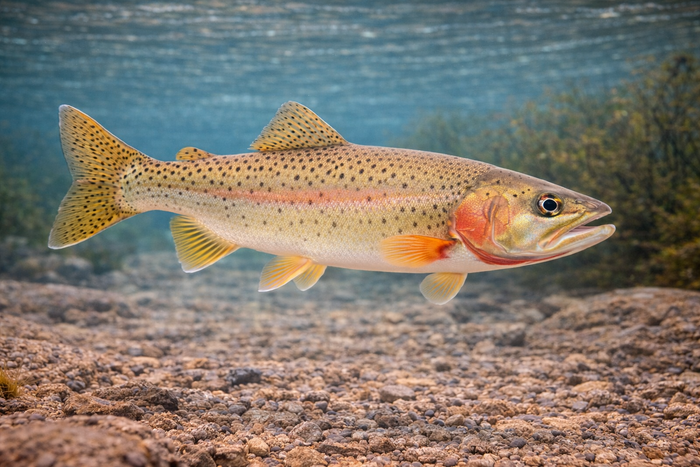
Rainbow Trout is not just another fish in the stream. It’s a vibrant, resilient species that commands attention with its kaleidoscopic colors and aggressive fight. Known for its shimmering scales and sporting a distinctive pink stripe along its sides, this trout is a favorite among anglers and biologists alike. Whether you’re chasing trophy fish or studying freshwater ecosystems, understanding Rainbow Trout facts is essential to appreciating this aquatic powerhouse.
What Makes the Rainbow Trout Unique?
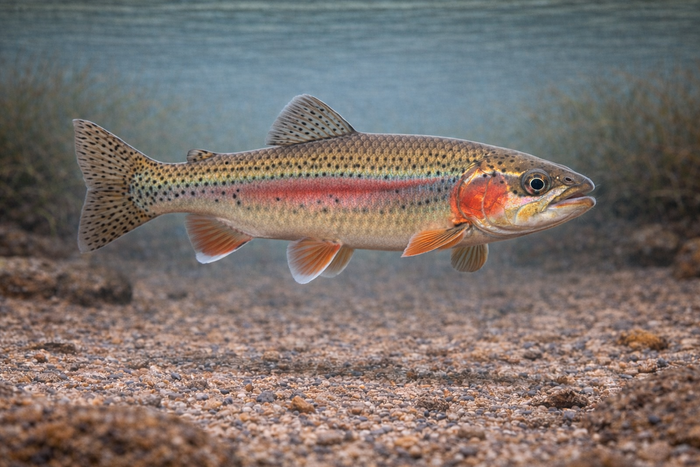
Rainbow Trout stands out for its dazzling coloration and adaptability. Unlike many trout species that stick to cold, clear mountain streams, Rainbow Trout can thrive in a variety of freshwater environments. Its body is covered in small black spots, but the signature pink to red lateral stripe sets it apart visually. This isn’t just for show; the coloration plays a role in mating and territorial displays.
Genetically, Rainbow Trout is a member of the Oncorhynchus genus, closely related to Pacific salmon. This connection means some populations exhibit anadromous behavior, migrating to the ocean and returning to freshwater to spawn. These sea-run Rainbow Trout are often called steelhead, a name that hints at their tough, streamlined nature.
Another unique trait is their spawning strategy. Rainbow Trout lay eggs in gravel nests called redds, carefully selecting oxygen-rich, clean substrates. Their reproductive success depends heavily on water quality and temperature, making them sensitive indicators of ecosystem health.
Habitat & Global Range
Rainbow Trout habitat is impressively diverse. Native to the cold-water tributaries of the Pacific Ocean in North America, their range originally spanned from Alaska down through California and into parts of Mexico. However, humans have introduced Rainbow Trout worldwide, from South America to Europe, New Zealand, and Asia, making them one of the most widely distributed freshwater fish species.
They prefer clear, cool streams and rivers with gravel bottoms but can also inhabit lakes and reservoirs. Optimal water temperatures hover between 50 and 60 degrees Fahrenheit, but Rainbow Trout can tolerate a surprising range of conditions. This adaptability has helped them colonize new environments, sometimes to the detriment of native species.
In their native and introduced ranges, Rainbow Trout often occupy mid-elevation waters, where oxygen levels are high and food sources like aquatic insects and small fish abound. Their presence in a water body often signals a relatively healthy aquatic system.
Behavior & Temperament
Rainbow Trout are aggressive feeders and opportunistic predators. Their diet shifts seasonally but generally includes aquatic insects, crustaceans, and smaller fish. They strike with lightning speed, making them a thrilling catch for anglers.
Socially, Rainbow Trout can be territorial, especially during spawning season. Males often engage in displays and physical contests to secure prime nesting sites. Outside of breeding, they may form loose groups but don’t school like some other fish species.
Their behavior changes with environmental conditions. In warmer months, they seek deeper, cooler pools to avoid heat stress. At night or in low light, they become more active hunters, using their keen vision to ambush prey.
Ecological Importance
Rainbow Trout plays a critical role in freshwater ecosystems. As both predator and prey, they help maintain the balance of aquatic food webs. Their feeding habits control insect populations, which can influence the health of riparian vegetation and water quality.
They also serve as a key food source for birds, mammals, and larger fish. Their spawning activities aerate streambeds, promoting nutrient cycling and supporting other aquatic organisms.
In some regions, Rainbow Trout introductions have altered native fish communities, sometimes outcompeting or hybridizing with indigenous species. This ecological impact underscores the importance of managing their populations responsibly.
Conservation & Environmental Pressures
Despite their widespread distribution, Rainbow Trout face significant conservation challenges. Habitat degradation from logging, agriculture, and urban development has reduced suitable spawning and rearing areas. Water pollution and rising temperatures linked to climate change further threaten their survival.
Invasive species and diseases introduced through hatchery releases complicate conservation efforts. Hybridization with non-native trout strains can dilute genetic diversity, weakening populations over time.
Conservation programs focus on habitat restoration, water quality improvement, and sustainable fishery management. Protecting cold-water refuges and maintaining stream connectivity are vital strategies to ensure Rainbow Trout populations remain robust.
The FishyAF Take
Rainbow Trout is a fish that refuses to be ignored. Its striking appearance and feisty nature make it a standout in freshwater angling and ecology. But beneath the flash lies a species deeply intertwined with the health of our waterways. Knowing Rainbow Trout facts isn’t just trivia—it’s a reminder that this fish is a barometer for environmental change.
If you want to fish smarter or advocate for cleaner rivers, start with understanding Rainbow Trout habitat and behavior. They demand clean, cold water and a balanced ecosystem to thrive. Protecting them means protecting countless other species and the very streams that sustain life.
In short, Rainbow Trout is more than a catch; it’s a symbol of freshwater vitality. Respect it, study it, and fight for its future. Because when Rainbow Trout thrives, so does the wild water world.