Cutbow (Oncorhynchus clarkii × Oncorhynchus mykiss): The Hybrid Trout That Defies Boundaries and Expectations
The Cutbow is no ordinary trout. It’s a hybrid offspring of the Yellowstone cutthroat trout (Oncorhynchus clarkii) and the rainbow trout (Oncorhynchus mykiss). This crossbreeding creates a fish that blends the best traits of both parents, making it a fascinating subject for anglers, biologists, and conservationists alike. Known for its striking appearance and adaptable nature, the Cutbow challenges traditional notions of species purity and offers a unique glimpse into the complexities of trout genetics and ecology.
What Makes the Cutbow Unique?
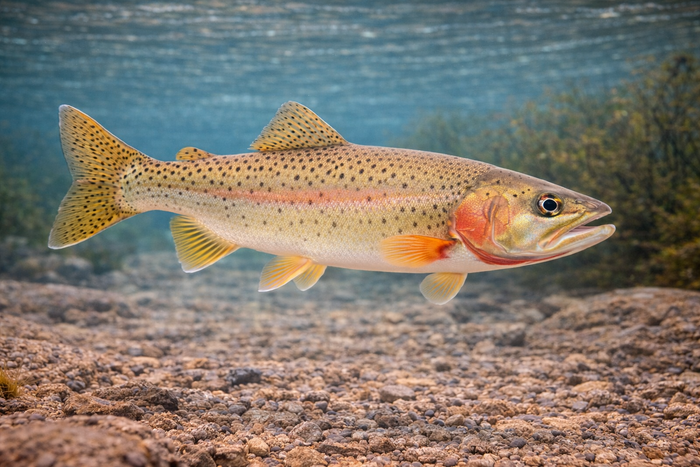
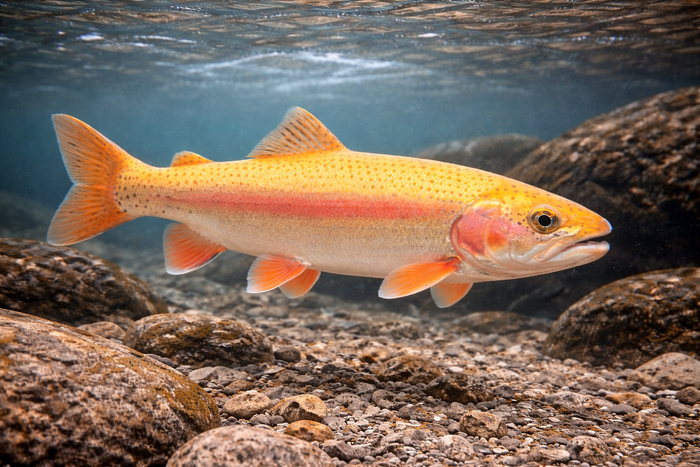
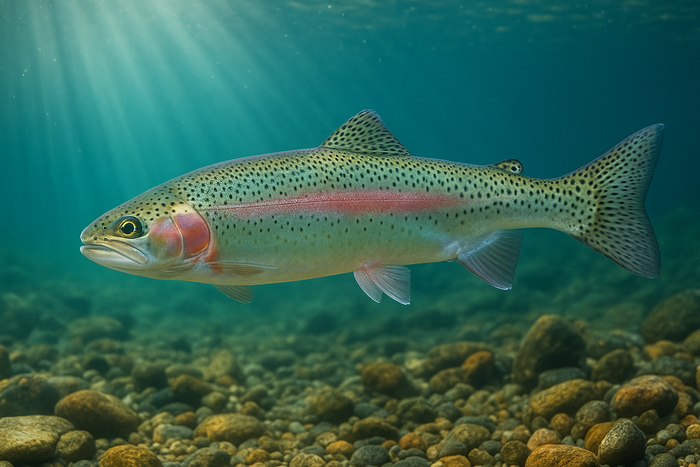
Cutbows stand out because they are a natural hybrid, not just a man-made experiment. Their genetic makeup combines the vibrant coloration and spotting patterns of rainbow trout with the distinctive red slash marks on the lower jaw of cutthroat trout. This results in a fish that is visually stunning and easily identifiable if you know what to look for. Beyond looks, Cutbows often exhibit hybrid vigor, meaning they can grow faster and adapt to a wider range of environmental conditions than either parent species alone.
Unlike pure cutthroat or rainbow trout, Cutbows can thrive in varied water conditions, from cold mountain streams to larger rivers and reservoirs. Their hybrid nature also means they can sometimes outcompete native trout populations, which makes understanding their biology critical for fisheries management. Cutbow facts reveal that this hybridization is a natural process in overlapping habitats but has been accelerated by human activities like stocking and habitat modification.
Habitat & Global Range
Cutbows primarily inhabit the western United States, especially in regions where the ranges of cutthroat and rainbow trout overlap. This includes parts of Idaho, Montana, Wyoming, and Colorado. They are found in a variety of freshwater environments, from clear, cold mountain streams to larger rivers and lakes. Their adaptable nature allows them to exploit habitats that might be challenging for pure cutthroat or rainbow trout.
Cutbow habitat is characterized by cool, oxygen-rich waters with ample cover such as submerged logs, undercut banks, and overhanging vegetation. They prefer waters with moderate to fast flow but can also be found in slower-moving pools. Because they are a hybrid, Cutbows often appear in areas where human intervention has altered native fish populations, either through stocking or habitat changes, which has expanded their range beyond historical boundaries.
Behavior & Temperament
Cutbows exhibit a blend of behaviors inherited from their parent species. They are opportunistic feeders, consuming a diet of aquatic insects, small fish, and crustaceans. Their feeding habits can shift depending on the availability of prey, showing a flexibility that contributes to their survival success. Anglers often note that Cutbows can be aggressive feeders, striking at a variety of lures and flies with enthusiasm.
In terms of temperament, Cutbows are generally more adaptable and resilient than pure cutthroat trout. They can tolerate a wider range of water temperatures and conditions, making them less sensitive to environmental stressors. However, this adaptability sometimes leads to competition with native trout species, which can impact local ecosystems. Cutbows also display territorial behavior during spawning seasons, often selecting gravel beds similar to their cutthroat ancestors.
Ecological Importance
Cutbows play a complex role in their ecosystems. On one hand, they contribute to biodiversity by adding genetic variation and hybrid vigor to trout populations. This can enhance the resilience of fish communities in changing environments. On the other hand, their presence can threaten native cutthroat trout populations through competition and genetic introgression, which dilutes the genetic purity of native species.
Their feeding habits help regulate insect populations and contribute to nutrient cycling within freshwater systems. As both predator and prey, Cutbows are integral to aquatic food webs, supporting species ranging from aquatic insects to larger predators like birds and mammals. Understanding Cutbow facts is essential for managing these ecosystems effectively, balancing their ecological benefits against potential risks to native trout.
Conservation & Environmental Pressures
The conservation status of Cutbows is complicated by their hybrid nature. Pure cutthroat trout populations are often threatened by habitat loss, pollution, and competition from non-native species, including rainbow trout. Cutbows, as hybrids, sometimes exacerbate these threats by interbreeding with native cutthroat populations, leading to genetic dilution.
Environmental pressures such as climate change, water diversion, and habitat fragmentation further stress trout habitats. Cutbows’ adaptability gives them an edge in altered environments, but this can come at the expense of native species. Conservation efforts focus on protecting pure cutthroat populations through habitat restoration, barriers to prevent hybridization, and careful management of stocking practices.
The FishyAF Take
Cutbows are a living testament to nature’s complexity and adaptability. They blur the lines between species, challenging purist notions of what a trout should be. For anglers, they offer a unique challenge and a visually striking catch. For conservationists, they represent both an opportunity and a dilemma—how to preserve native biodiversity while acknowledging the realities of hybridization.
If you’re diving into Cutbow facts or exploring Cutbow habitat, remember this fish is a hybrid powerhouse. It thrives where others struggle, adapts where others perish, and reminds us that nature doesn’t always follow our neat categories. Respect the Cutbow for what it is: a bold, memorable fish that refuses to be boxed in.