Palomino (Oncorhynchus mykiss): The Golden Flash That Commands Attention in Freshwater
The Palomino trout is not your average rainbow trout. Sporting a striking golden-yellow body with a hint of iridescent shimmer, this fish turns heads wherever it swims. A selectively bred variant of the rainbow trout, the Palomino is prized by anglers and aquarists alike for its vibrant color and spirited fight. But beyond its flashy appearance, the Palomino offers a fascinating glimpse into fish genetics, habitat adaptability, and freshwater ecosystem dynamics.
What Makes the Palomino Unique?
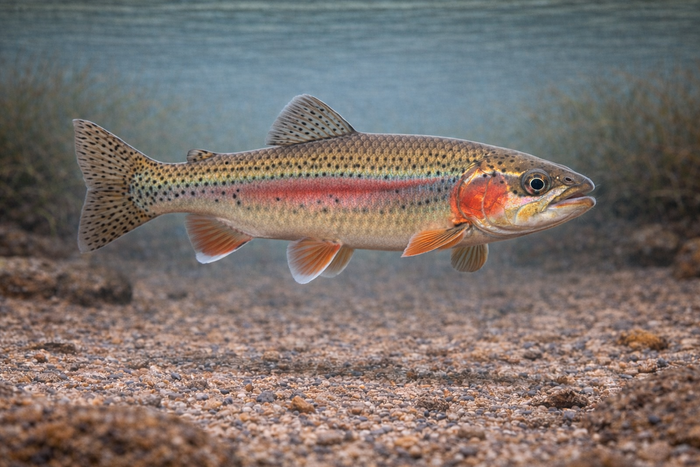
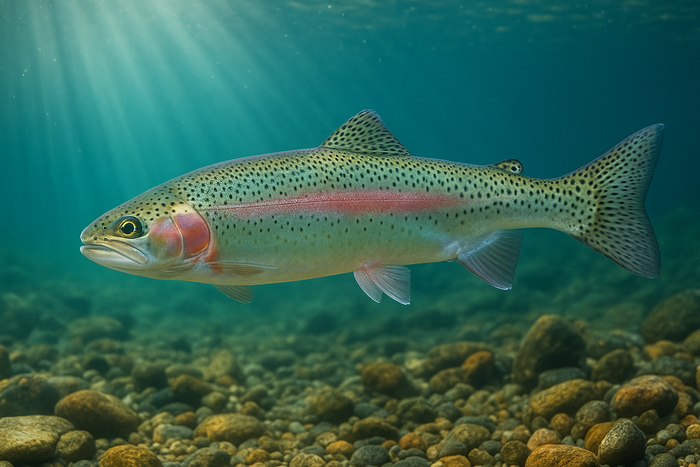
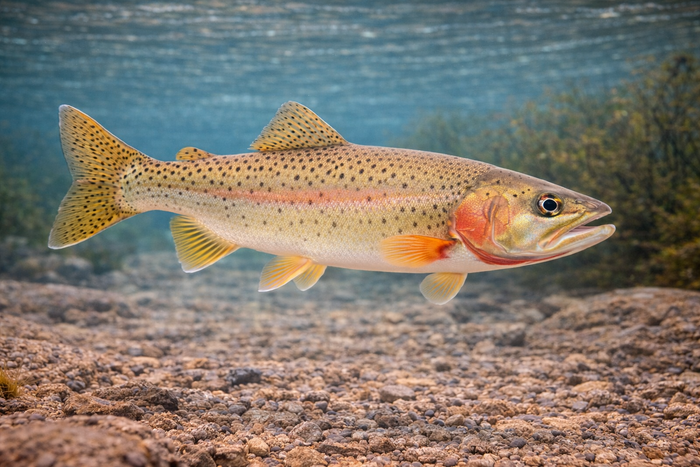
The Palomino’s defining feature is its golden-yellow coloration, a result of a genetic mutation affecting pigmentation. Unlike the typical rainbow trout’s silvery sheen with pinkish lateral stripes, the Palomino glows like liquid gold beneath the water’s surface. This color morph is not naturally occurring in the wild but was developed through selective breeding programs aiming to create a visually stunning trout variant.
This unique pigmentation doesn’t just make the Palomino a trophy fish; it also influences its behavior and vulnerability. The bright coloration can make it more visible to predators, but in controlled environments like stocked lakes and ponds, this is less of a concern. Additionally, the Palomino retains the hardiness and adaptability of its rainbow trout ancestors, thriving in a range of freshwater conditions.
Habitat & Global Range
Palomino trout are primarily found in stocked freshwater environments rather than natural habitats. Their “Palomino habitat” is often man-made or managed bodies of water such as hatchery ponds, stocked lakes, and private fisheries. They prefer cool, well-oxygenated waters typical of trout species, with temperatures ranging from 50 to 65 degrees Fahrenheit.
While the original rainbow trout species is native to the Pacific coast of North America, Palomino trout have been introduced worldwide due to their popularity. You’ll find them in North American lakes, European fisheries, and even some parts of Asia and South America. Their success in these varied locations owes to their adaptability and the controlled conditions of their habitats.
Behavior & Temperament
Palomino trout behave much like their rainbow trout cousins. They are aggressive feeders, striking at lures and bait with enthusiasm, making them a favorite for sport fishing. Their temperament is generally solitary but not territorial; they tolerate conspecifics and other fish species well in stocked environments.
In the wild, rainbow trout are known for their wariness and quick bursts of speed to evade predators. Palomino trout retain this alertness, but their bright coloration can sometimes make stealth more challenging. Despite this, they exhibit the same curious and opportunistic feeding habits, often striking at insects, small fish, and artificial lures.
Ecological Importance
Though Palomino trout are primarily a product of human intervention, they play a role in freshwater ecosystems where they are introduced. As predators, they help control populations of aquatic insects and smaller fish, contributing to the balance of the food web.
However, their introduction into non-native waters must be managed carefully. Palomino trout can compete with native species for resources and potentially disrupt local ecological dynamics. Responsible stocking practices are essential to ensure that their presence enhances recreational fishing without compromising biodiversity.
Conservation & Environmental Pressures
Since Palomino trout are bred and stocked rather than wild populations, their conservation status is tied to hatchery practices and water quality rather than natural population declines. Maintaining clean, oxygen-rich waters is critical for their survival and growth.
Environmental pressures such as pollution, habitat degradation, and climate change impact Palomino habitats just as they do wild trout populations. Rising water temperatures and reduced stream flows can stress these fish, making them more susceptible to disease and reducing their growth rates.
Sustainable fisheries management and habitat restoration efforts benefit both Palomino trout and native species. Ensuring genetic diversity within hatchery stocks is also important to prevent inbreeding and maintain the vigor of these golden beauties.
The FishyAF Take
The Palomino trout is a shining example of how selective breeding can create a fish that’s both a visual marvel and a worthy angling challenge. Its golden hue sets it apart in any freshwater setting, but don’t mistake it for just a pretty face. This fish carries the resilience and spirited behavior of its rainbow trout lineage, making it a legitimate contender in sport fishing circles.
If you’re chasing Palomino facts, remember that their allure goes beyond color. Their adaptability to various freshwater habitats and their role in managed ecosystems make them a fascinating study in fish biology and aquaculture. Just keep in mind that their flashy looks come with ecological responsibilities—introducing or stocking Palomino trout must be done thoughtfully to protect native waterways.
In short, the Palomino trout is a golden ticket for anglers and fish enthusiasts who want a splash of color with their catch. It’s a fish that demands respect, both for its beauty and its place in the freshwater world.