Brook Trout (Salvelinus fontinalis): The Native Stream King with a Painted Personality
Introduction
The brook trout isn’t just another pretty fish swimming upstream. It’s a symbol of pristine waters, a trophy for anglers, and a master of survival in cold, clear streams. Known scientifically as Salvelinus fontinalis, this char species stands out in the trout family for its vibrant colors and adaptability. If you’re diving into Brook Trout facts, prepare to meet a fish that’s as much a cultural icon as it is an ecological linchpin.
What Makes the Brook Trout Unique?
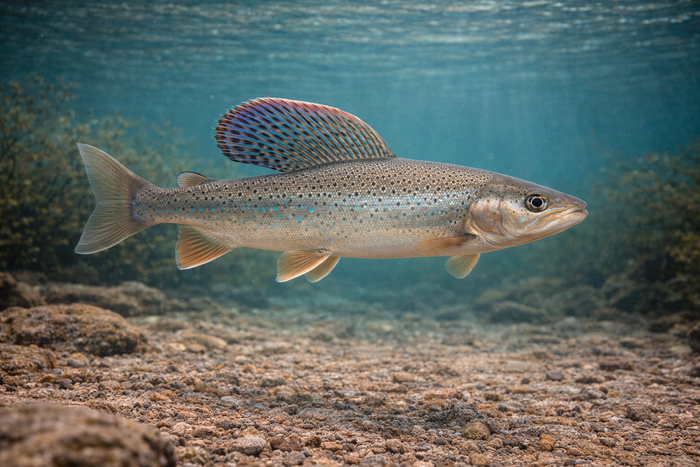
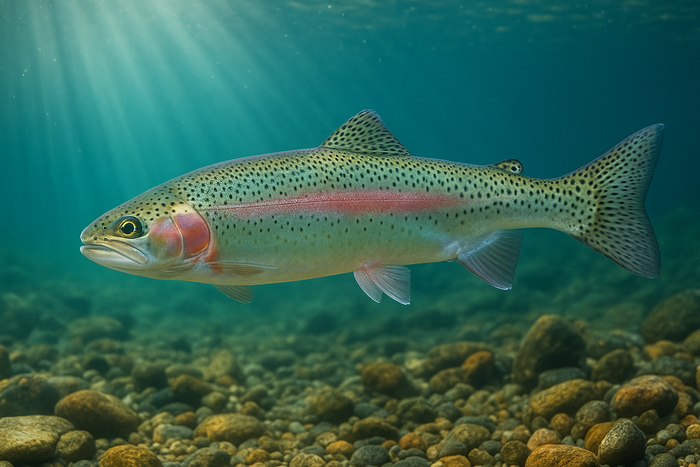
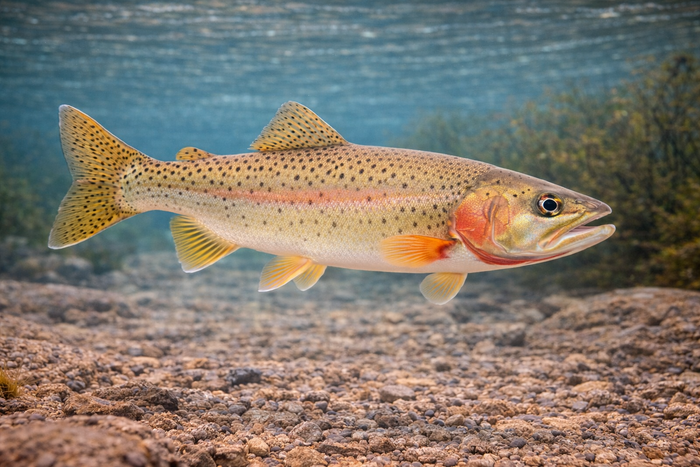
Brook trout are the original North American trout, native to the eastern United States and parts of Canada. Unlike their cousins, the rainbow and brown trout, brook trout belong to the char genus, which means their coloring and behavior set them apart. Their bodies shimmer with a dark green to brown backdrop, adorned with worm-like vermiculations on the back and bright red spots surrounded by blue halos along the sides. This isn’t just eye candy; it’s camouflage perfected for dappled stream beds.
Physiologically, brook trout thrive in colder waters, often below 68°F, making them sensitive indicators of water quality. Their ability to spawn in small, gravelly stream beds with oxygen-rich water is a testament to their evolutionary finesse. Brook trout also exhibit a fascinating life history variation—some remain stream residents, while others migrate to lakes or even coastal waters, adapting their feeding and growth strategies accordingly.
Habitat & Global Range
Brook trout habitat is a narrow niche carved out by cold, clean, well-oxygenated freshwater. They prefer small to medium-sized streams, spring-fed creeks, and clear lakes with gravel bottoms. Their ideal environment features plenty of cover—overhanging vegetation, submerged logs, and undercut banks—offering protection from predators and strong currents.
Originally, brook trout were confined to the eastern U.S. and Canadian watersheds, from the Appalachian Mountains to the Great Lakes region. However, human intervention has spread them far beyond their native range. Today, you can find brook trout in parts of the western U.S., Europe, and even Japan, often introduced to support sport fishing. While this expansion has increased their global footprint, it also raises ecological concerns about competition with native species.
Behavior & Temperament
Brook trout are territorial and somewhat shy, especially in heavily fished waters. They stake out prime feeding spots and aggressively defend them against intruders. Their diet is opportunistic—feeding on aquatic insects, small fish, crustaceans, and sometimes terrestrial insects that fall into the water. This flexible diet helps them survive in diverse conditions.
Spawning behavior is a highlight of their life cycle. In the fall, males develop brighter colors and establish nesting territories called redds in gravel beds. Females then dig these redds with their tails, depositing eggs that males fertilize. The eggs incubate through winter, hatching in early spring. This reproductive strategy ensures young trout emerge when food is becoming abundant.
Brook trout’s temperament makes them a challenging catch. They’re wary and quick to dart away, demanding stealth and precision from anglers. Their willingness to strike at a well-presented fly or lure has made them a favorite among fly fishermen.
Ecological Importance
Brook trout play a critical role in freshwater ecosystems. As both predator and prey, they help maintain the balance of aquatic food webs. By feeding on insects and small fish, they control populations that could otherwise explode and disrupt the ecosystem. In turn, brook trout serve as food for larger predators like birds, mammals, and larger fish.
Their presence is a reliable indicator of environmental health. Because brook trout require clean, cold water, their decline often signals broader ecological problems such as pollution, habitat degradation, or climate change impacts. Protecting brook trout habitats means safeguarding entire freshwater ecosystems, benefiting countless other species.
Conservation & Environmental Pressures
Despite their hardy reputation, brook trout face significant threats. Habitat loss from logging, urban development, and agriculture has degraded many native streams. Sedimentation, pollution, and rising water temperatures further stress populations. Climate change poses a looming threat by warming streams beyond the brook trout’s thermal tolerance.
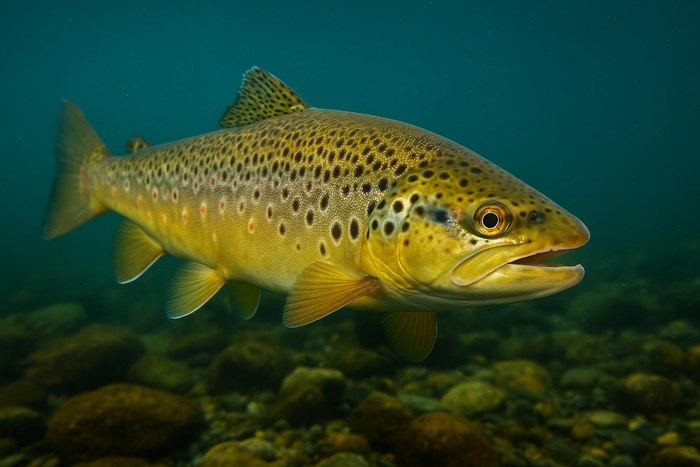
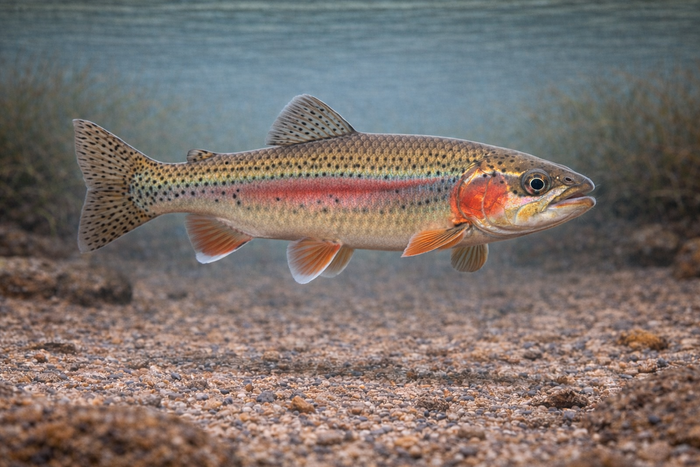
Introduced species like brown and rainbow trout compete aggressively with brook trout, often pushing them out of prime habitats. In some areas, hybridization with introduced char species threatens genetic purity.
Conservation efforts focus on habitat restoration, water quality improvement, and managing invasive species. Protecting riparian zones, reforesting watersheds, and enforcing fishing regulations are critical steps. Some regions have implemented hatchery programs to bolster wild populations, but the emphasis remains on preserving natural habitats to ensure long-term survival.
The FishyAF Take
Brook trout aren’t just another fish in the stream; they’re a living barometer of freshwater health and a trophy that demands respect. Their vibrant colors and elusive nature make them a prize for anglers, but their ecological role runs deeper than sport. Understanding Brook Trout habitat and behavior is essential for anyone serious about freshwater conservation or fishing.
If you want to keep seeing those sparkling brookies darting in cold mountain streams, it’s time to get serious about protecting their world. That means cleaner water, smarter land use, and a commitment to preserving the wild places where brook trout have thrived for millennia. Brook trout facts aren’t just trivia—they’re a call to action for anyone who values the wild and the beautiful in our rivers and lakes.