Kokanee Salmon (Oncorhynchus nerka): The Landlocked Pacific Powerhouse That Packs a Punch
Kokanee Salmon aren’t your run-of-the-mill salmon. These freshwater warriors are the landlocked cousins of the sockeye, boasting the same vibrant red flesh and aggressive spirit but without the oceanic migration. For anglers and ecologists alike, Kokanee Salmon offer a fascinating glimpse into adaptation and survival. Understanding Kokanee Salmon facts means appreciating a fish that thrives in lakes rather than the open sea, rewriting the rules of what it means to be a Pacific salmon.
What Makes the Kokanee Salmon Unique?
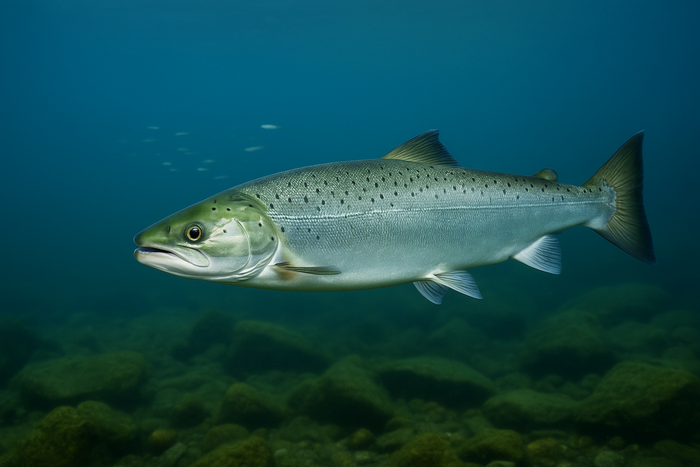
Kokanee Salmon are unique because they complete their entire life cycle in freshwater. Unlike their anadromous relatives that migrate to the ocean, Kokanee stay put in lakes and rivers. This landlocked lifestyle has shaped their biology and behavior in remarkable ways. They share the iconic red flesh of sockeye salmon, prized for its flavor and nutritional value, but they grow smaller due to the constraints of their freshwater environment.
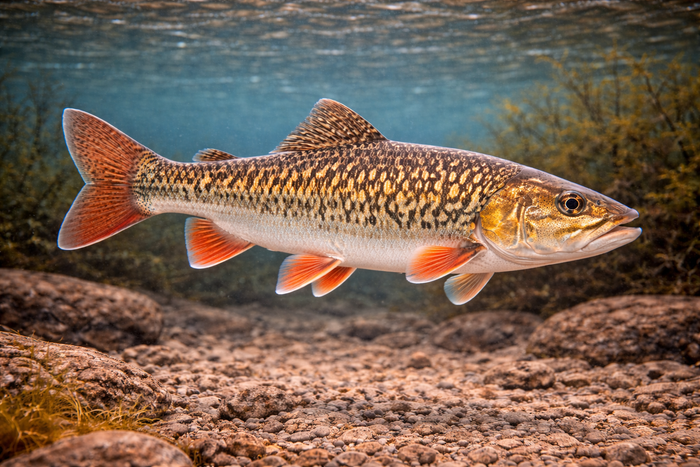
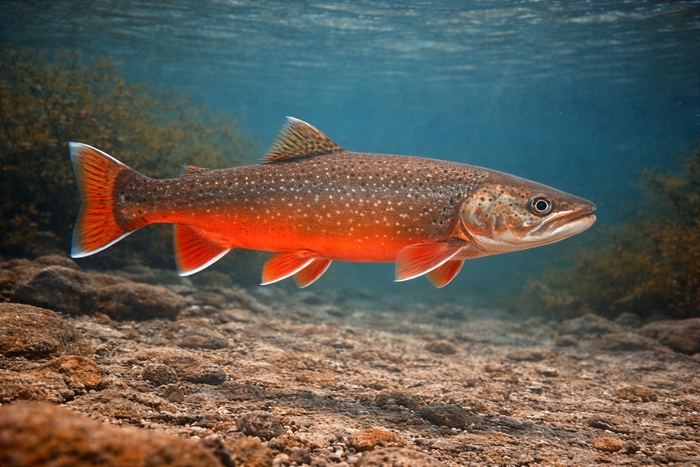
Their spawning behavior is another standout feature. Kokanee return to the same streams or lake shores where they were born, often navigating complex freshwater systems with precision. During spawning, males develop pronounced hooked jaws and bright coloration, transforming into striking figures that command attention. This transformation is a vivid reminder that even without the ocean’s influence, Kokanee maintain the fierce reproductive drive characteristic of Pacific salmon.
Habitat & Global Range
Kokanee Salmon habitat is primarily cold, clear freshwater lakes and their tributaries across western North America. They are native to the Pacific Northwest, including parts of British Columbia, Washington, Oregon, Idaho, and Montana. Over time, they have been introduced to various other lakes in the United States and Canada to support recreational fishing and ecosystem balance.
These fish prefer deep, oxygen-rich lakes with cool temperatures, often between 50 and 60 degrees Fahrenheit. Their spawning grounds are typically gravelly stream beds or lake shores with clean, well-oxygenated water. The quality of Kokanee Salmon habitat directly influences their population health, growth rates, and reproductive success.
Behavior & Temperament
Kokanee Salmon are aggressive feeders, especially during their juvenile stages. They primarily consume zooplankton, insects, and small crustaceans, which fuels their rapid growth in nutrient-rich lakes. Their feeding behavior is opportunistic, adapting to seasonal changes and prey availability.
During spawning, their temperament shifts dramatically. Males become territorial and combative, engaging in intense battles to secure prime nesting sites. Females focus on selecting optimal gravel beds to lay eggs, ensuring the next generation has a fighting chance. Outside of spawning, Kokanee are schooling fish, often moving in large groups that can be a spectacle for anglers and predators alike.
Ecological Importance
Kokanee Salmon play a critical role in freshwater ecosystems. As both predator and prey, they help maintain the balance of aquatic food webs. Their consumption of zooplankton controls plankton populations, which in turn affects water quality and nutrient cycling.
When Kokanee spawn and die, their carcasses provide a vital nutrient influx to streams and lakes. This nutrient transfer supports a wide range of organisms, from aquatic insects to riparian plants and terrestrial wildlife. Bears, eagles, and other predators rely on Kokanee runs as a seasonal food source, linking aquatic and terrestrial ecosystems in a dynamic exchange.
Conservation & Environmental Pressures
Despite their adaptability, Kokanee Salmon face significant conservation challenges. Habitat degradation from logging, agriculture, and urban development threatens the quality of spawning grounds and lake environments. Sedimentation, pollution, and water temperature increases can reduce oxygen levels and disrupt Kokanee Salmon habitat.
Introduced species, such as non-native trout and bass, compete with Kokanee for food and sometimes prey on juveniles. Climate change adds another layer of complexity, altering water temperatures and flow patterns critical for Kokanee survival.
Conservation efforts focus on habitat restoration, controlling invasive species, and managing fisheries sustainably. Protecting Kokanee Salmon habitat means preserving the cold, clean lakes and streams that are their lifeblood. Monitoring populations and supporting hatchery programs also help maintain healthy Kokanee numbers for both ecological balance and recreational fishing.
The FishyAF Take
Kokanee Salmon are a testament to nature’s ability to adapt and thrive against the odds. They rewrite the salmon playbook by ditching the ocean and making freshwater their kingdom. For anglers, they offer a challenging and rewarding quarry with a distinct flavor and fighting spirit. For conservationists, they are a bellwether species signaling the health of freshwater ecosystems.
Understanding Kokanee Salmon facts and habitat is more than trivia—it’s a call to action. Protecting these fish means safeguarding entire ecosystems and the intricate connections they support. The Kokanee’s story is one of resilience, adaptation, and the relentless drive to survive. If you want to know what freshwater salmon are all about, start with the Kokanee. They’re small, bold, and unforgettable.