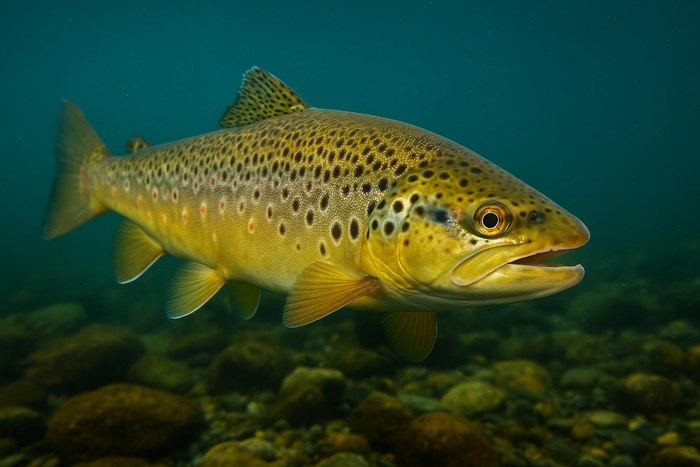
Tiger Trout (Salmo trutta × Salvelinus fontinalis): Nature’s Hybrid Powerhouse with Stripes You Can’t Ignore
Tiger Trout is no ordinary fish. It’s a hybrid, a genetic mashup between the brown trout (Salmo trutta) and the brook trout (Salvelinus fontinalis). This crossbreeding creates a striking predator with bold tiger-like stripes that make it stand out in any stream or lake. Anglers prize it for its aggressive fight and unique appearance, while biologists find it fascinating for what it reveals about trout genetics and hybrid vigor. If you’re looking for Tiger Trout facts that go beyond the surface, you’re in the right place.
What Makes the Tiger Trout Unique?
Tiger Trout is a sterile hybrid, which means it can’t reproduce naturally. This is a key fact that shapes its role in fisheries management. Unlike pure species, Tiger Trout won’t establish breeding populations, making it a controlled tool for stocking programs aimed at pest control or sport fishing enhancement.
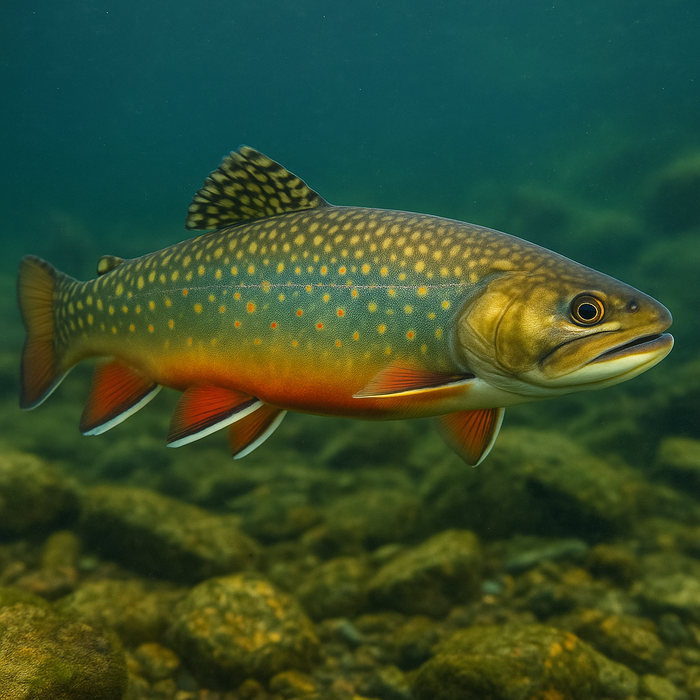
Its most obvious feature is the pattern: bold, dark vertical stripes on a golden to olive background, resembling a tiger’s coat. This pattern isn’t just for show; it’s a genetic blend of the brown trout’s spots and the brook trout’s vermiculations, resulting in a visually stunning fish.
Physiologically, Tiger Trout inherits traits from both parents. It combines the brown trout’s size and resilience with the brook trout’s cold-water preference and aggressive feeding habits. This hybrid vigor often translates to faster growth and a more voracious appetite, making it a formidable predator in its habitat.
Habitat & Global Range
Tiger Trout habitat is largely dictated by human intervention since they don’t reproduce in the wild. They thrive in cold, well-oxygenated waters, typically in mountain streams, reservoirs, and lakes that mimic the conditions preferred by their parent species.
Originally produced in hatcheries, Tiger Trout have been stocked across North America, particularly in the western United States, where fisheries managers use them to control undesirable fish populations and enhance angling opportunities. Their presence is less about natural range and more about targeted introduction.
Because they require clean, cold water, Tiger Trout serve as an indicator species for healthy aquatic ecosystems. Their survival depends on maintaining high water quality and stable temperatures, which aligns with the conservation goals for many trout habitats.
Behavior & Temperament
Tiger Trout behavior is a fascinating blend of its parents. It’s aggressive, territorial, and a relentless predator. Anglers often report that Tiger Trout strikes with surprising ferocity, making it a prized catch for those seeking a challenge.
Unlike some trout species that can be shy or elusive, Tiger Trout tends to be bold and active, especially during feeding times. This makes it easier to target with lures and flies, but also means it can dominate smaller fish populations where introduced.
Its temperament is not just about aggression; Tiger Trout shows adaptability in feeding strategies, switching between insect larvae, small fish, and crustaceans depending on availability. This opportunistic feeding behavior supports its rapid growth and survival in diverse environments.
Ecological Importance
Tiger Trout plays a unique ecological role, primarily as a biological control agent. Fisheries managers use it to reduce populations of invasive or overabundant fish species that threaten native trout or disrupt aquatic ecosystems.
Because they are sterile, Tiger Trout don’t compete with native fish for spawning grounds, reducing the risk of genetic pollution. Their predatory nature helps balance fish communities, promoting healthier and more sustainable ecosystems.
However, their introduction must be carefully managed. While they can improve angling and control pests, Tiger Trout can also impact non-target species if stocked indiscriminately. Understanding Tiger Trout facts about their ecological impact is crucial for responsible fisheries management.
Conservation & Environmental Pressures
Tiger Trout conservation is less about protecting wild populations and more about maintaining the environmental conditions that allow them to thrive when stocked. Since they rely on cold, clean water, threats like pollution, habitat destruction, and climate change pose significant risks.
Rising water temperatures and sedimentation reduce suitable Tiger Trout habitat, limiting their effectiveness as a management tool. Conservation efforts aimed at preserving cold-water streams and lakes benefit not only Tiger Trout but also native trout species and overall biodiversity.
Environmental pressures also highlight the importance of monitoring Tiger Trout introductions. Overstocking or releasing them into unsuitable habitats can backfire, causing ecological imbalances or stressing native species.
The FishyAF Take
Tiger Trout is a hybrid heavyweight that commands respect. It’s not just a novelty fish with cool stripes; it’s a strategic player in fisheries management and a testament to what happens when genetics and ecology collide. For anglers, it offers a thrilling fight and a unique catch. For conservationists, it’s a reminder that managing ecosystems requires precision and understanding.
If you want to dive into Tiger Trout facts, remember this: they are a man-made marvel designed to fit specific ecological niches. Their success depends on clean, cold water and smart management. They won’t replace native trout, but they can enhance fisheries and keep invasive species in check.
In short, Tiger Trout is a bold, memorable hybrid that punches above its weight. Whether you’re fishing for them or studying their role in the wild, they demand attention—and respect.