Landlocked Salmon (Salmo salar): The Freshwater Cousin That Commands Respect
The Landlocked Salmon is no ordinary fish. A freshwater variant of the iconic Atlantic salmon, it carries the same fierce spirit and striking appearance but thrives entirely away from the ocean. This species has carved out a niche in lakes and rivers, proving that you don’t need saltwater to be a top predator. For anglers, ecologists, and fish enthusiasts, the Landlocked Salmon offers a fascinating glimpse into adaptability and survival. If you want to understand how a classic saltwater fish can reinvent itself in freshwater, this is your go-to species.
What Makes the Landlocked Salmon Unique?
Unlike its ocean-going relatives, the Landlocked Salmon completes its entire life cycle in freshwater. It’s a prime example of evolutionary flexibility, having adapted to live in isolated lakes and river systems without ever migrating to the sea. This shift changes its diet, behavior, and even growth patterns. Landlocked Salmon tend to be smaller than their anadromous cousins but remain aggressive predators with a sleek, torpedo-shaped body built for speed.
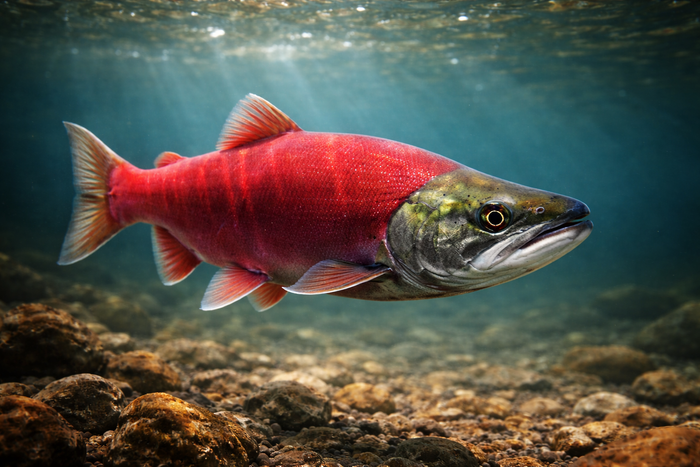
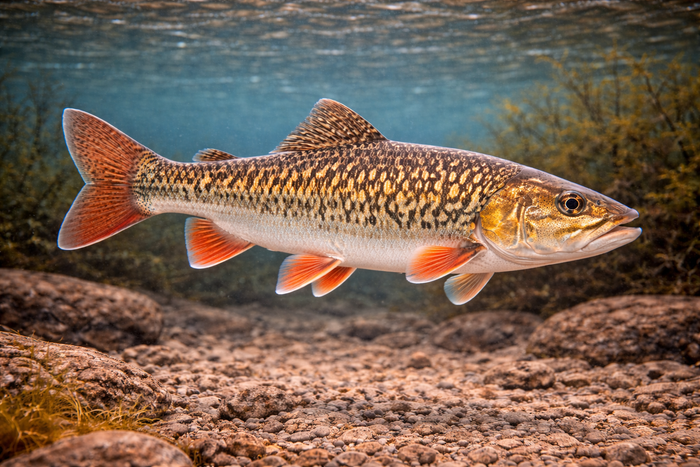
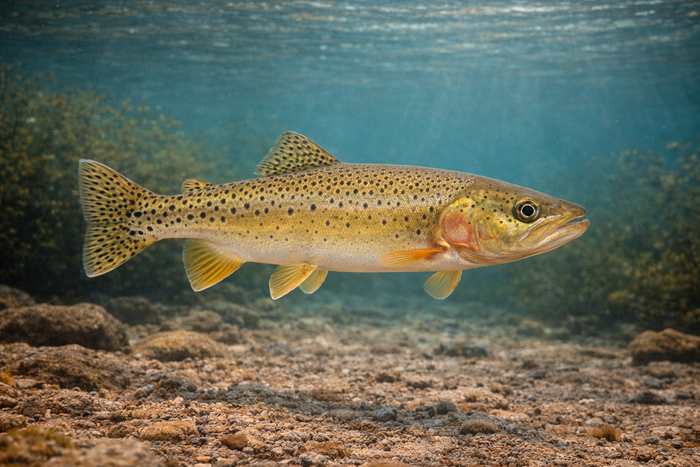
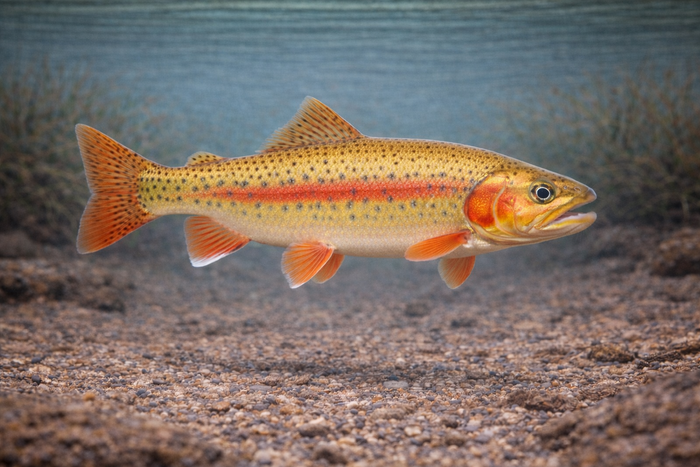
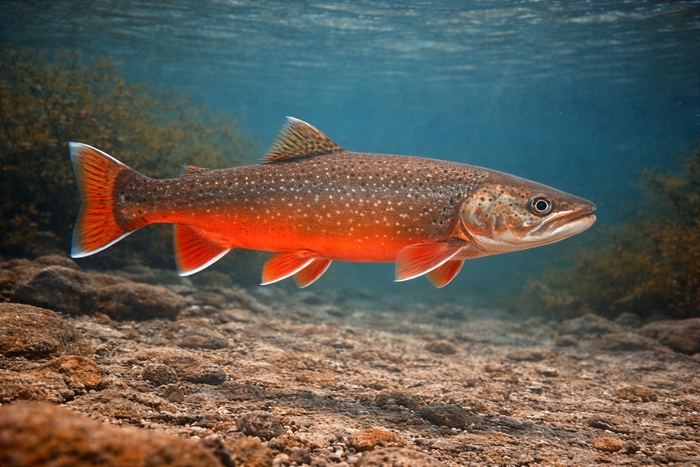
Their coloration is another standout. They often sport a silvery sheen with subtle spots, but during spawning, males develop a dramatic hooked jaw and vibrant colors, signaling readiness to mate. This transformation rivals any dramatic makeover in the animal kingdom. The Landlocked Salmon’s ability to thrive in diverse freshwater environments while maintaining the core traits of Salmo salar makes it a remarkable study in fish biology.
Habitat & Global Range
Landlocked Salmon habitat is primarily found in cold, well-oxygenated lakes and connected river systems across the Northern Hemisphere. They are native to parts of North America, especially the northeastern United States and eastern Canada, as well as northern Europe and parts of Russia. These fish prefer deep, clear lakes with cool temperatures, often between 50 and 60 degrees Fahrenheit, where they can find ample prey and suitable spawning grounds.
Their presence in isolated lakes is often the result of historical geological events that trapped populations away from the ocean. This isolation has led to distinct genetic populations adapted to local conditions. The quality of their habitat is critical—pollution, warming waters, and habitat fragmentation can quickly degrade these environments, threatening the species’ survival.
Behavior & Temperament
Landlocked Salmon are apex predators in their freshwater homes. They exhibit a mix of solitary and schooling behavior depending on the season and life stage. Juveniles tend to stay in shallow, protected areas, feeding on insects and small invertebrates. As they grow, their diet shifts toward fish, including smaller species and even younger salmon.
During spawning season, Landlocked Salmon become highly territorial and aggressive, especially males. They migrate upstream or to shallow gravel beds within their lake systems to lay eggs. This migration is less extensive than their ocean-going relatives but no less intense. Their spawning behavior is a spectacle of endurance and competition, with males battling for prime nesting sites.
These fish are also known for their impressive jumping ability, often leaping over obstacles during their spawning runs. This behavior is a reminder of their oceanic ancestry and the raw power they possess even in freshwater.
Ecological Importance
Landlocked Salmon play a crucial role in freshwater ecosystems. As top predators, they help regulate populations of smaller fish and invertebrates, maintaining a balanced food web. Their feeding habits influence the distribution and behavior of prey species, which in turn affects the entire aquatic community.
Beyond their role as predators, they contribute to nutrient cycling. When they spawn and die, their decomposing bodies release nutrients that fertilize aquatic plants and support other wildlife. This nutrient input is especially important in nutrient-poor lake systems where Landlocked Salmon reside.
Their presence also benefits human communities. They support recreational fisheries that bring economic value to rural areas and foster a connection between people and nature. Protecting Landlocked Salmon habitats means preserving entire freshwater ecosystems that countless other species depend on.
Conservation & Environmental Pressures
Despite their resilience, Landlocked Salmon face significant threats. Habitat degradation tops the list. Pollution from agriculture, industry, and urban runoff can reduce water quality, impacting oxygen levels and food availability. Climate change poses a growing risk by warming waters beyond the species’ tolerance and altering seasonal flow patterns critical for spawning.
Dams and other barriers disrupt migration routes and fragment populations, leading to genetic bottlenecks and reduced reproductive success. Overfishing, while less intense than for ocean salmon, can still deplete local stocks if not managed properly.
Conservation efforts focus on habitat restoration, improving water quality, and removing or modifying barriers to restore natural migration paths. Hatchery programs exist but are controversial, as they can dilute genetic diversity if not carefully managed. The future of Landlocked Salmon depends on integrated management approaches that balance human use with ecological integrity.
The FishyAF Take
Landlocked Salmon are the ultimate freshwater comeback story. They prove that even a species built for the ocean can rewrite the rules and thrive in lakes and rivers. Their bold adaptability, fierce temperament, and ecological importance make them a species worth knowing and protecting.
For anglers, they offer a challenging and rewarding quarry, combining the fight of a saltwater salmon with the accessibility of freshwater fishing. For conservationists, they are a barometer of freshwater ecosystem health and a reminder that preserving biodiversity requires vigilance and action.
If you want to dive deep into Landlocked Salmon facts or explore their habitat, remember this: these fish are more than just a freshwater version of a classic species. They are a testament to nature’s ability to innovate and endure. Respect them, protect them, and learn from them.