Apache (Oncorhynchus apache): The Southwestern Trout That Commands Respect
The Apache trout is not your everyday freshwater fish. Native to the rugged streams of the American Southwest, this species carries a legacy of survival against the odds. Known scientifically as Oncorhynchus apache, it’s one of the few trout species endemic to Arizona and New Mexico. If you’re diving into Apache facts, prepare to meet a fish that’s as striking in appearance as it is in ecological significance.
What Makes the Apache Unique?
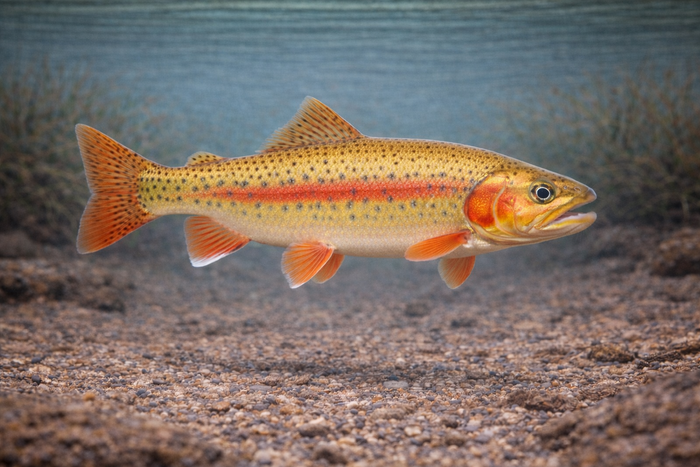
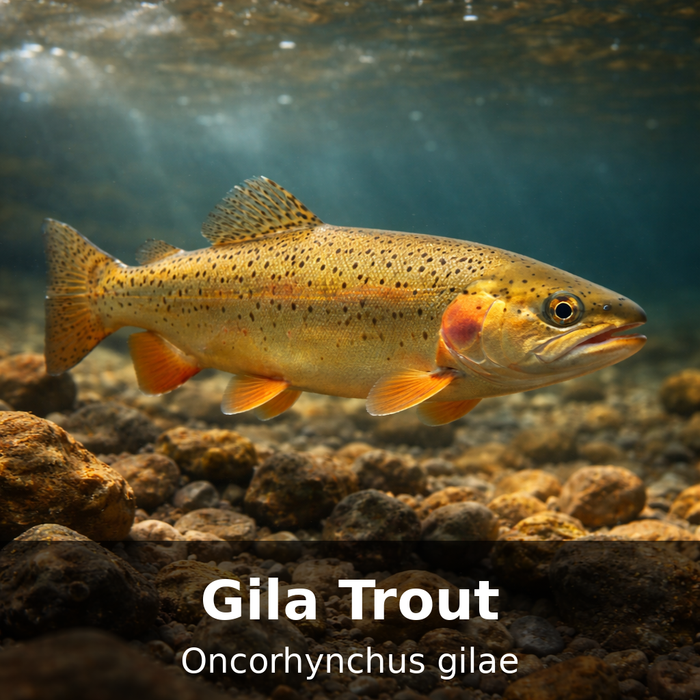
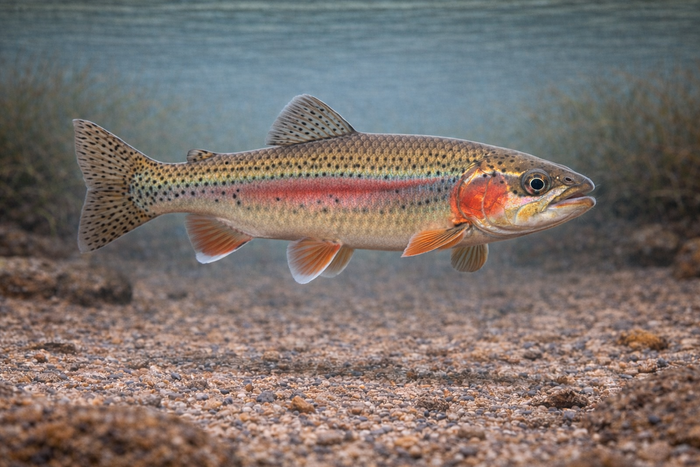
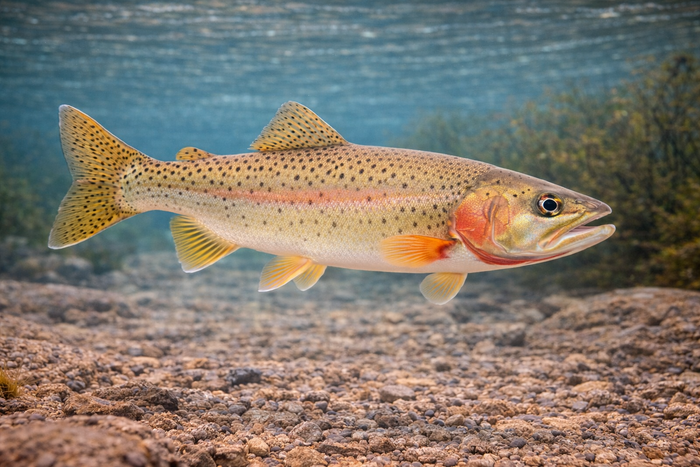
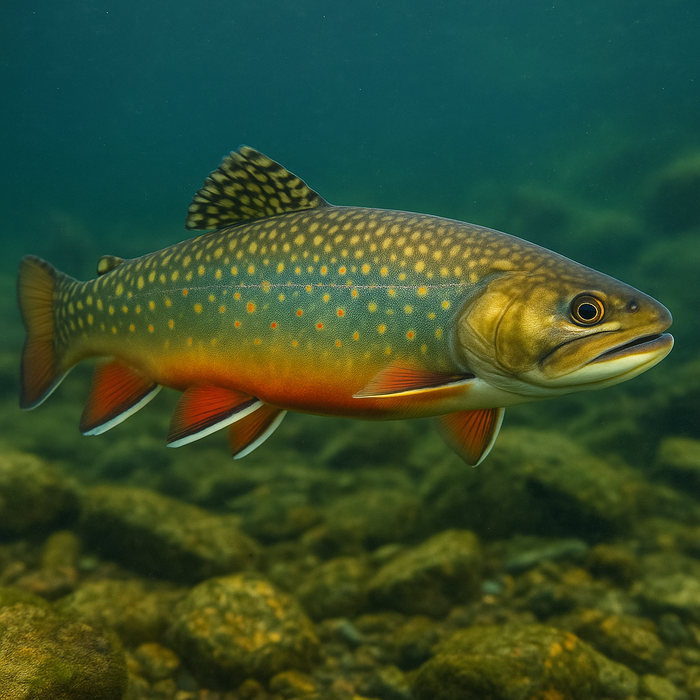
The Apache trout stands out with its golden-yellow body adorned with distinct black spots, often clustered more densely toward the tail. Unlike its more common cousins, the Apache’s coloration is vivid, almost regal, setting it apart in the trout family. Its genetic makeup is a testament to its isolated evolution in the high-altitude streams of the Southwest. This fish is a true native, not a transplant or hybrid, which makes it a biological treasure.
Another unique trait is its resilience. Apache trout have adapted to survive in waters that can swing from crystal clear and cold to surprisingly warm and variable. Their spawning behavior is timed to the seasonal flows of mountain streams, ensuring their offspring have the best shot at survival. This synchronization with nature’s rhythms is a hallmark of their evolutionary finesse.
Habitat & Global Range
Apache habitat is tightly bound to the cool, clear mountain streams of the White Mountains in Arizona and parts of New Mexico. These fish are specialists, thriving in high-elevation waters with rocky substrates and ample cover. Their range is limited, making them endemic to this specific region of the United States. This narrow distribution is both a badge of honor and a vulnerability.
The streams they inhabit are often fed by snowmelt and spring sources, providing the cold, oxygen-rich environment Apache trout need. Unlike widespread trout species, Apache trout don’t roam far. Their habitat is fragmented by geography and human activity, which has historically restricted their populations.
Behavior & Temperament
Apache trout are opportunistic feeders with a diet that includes aquatic insects, small fish, and crustaceans. They exhibit typical trout behavior—cautious, territorial, and highly responsive to environmental changes. These fish are known for their wariness, making them a challenging and rewarding catch for anglers who appreciate a fight.
Socially, Apache trout tend to be solitary outside of spawning seasons. They stake out territories in pools and riffles where food is abundant and predators less so. Their spawning runs are brief but intense, with males displaying vibrant colors and aggressive behavior to secure mates and prime nesting sites.
Ecological Importance
Apache trout play a critical role in their native ecosystems. As mid-level predators, they help regulate insect populations and serve as prey for larger wildlife, including birds of prey and mammals. Their presence is an indicator of healthy stream ecosystems—clean water, balanced food webs, and intact riparian zones.
Maintaining Apache populations supports biodiversity in these fragile mountain environments. Their survival is intertwined with the health of the entire watershed. When Apache trout thrive, it signals that the ecosystem is functioning well, benefiting countless other species and maintaining water quality downstream.
Conservation & Environmental Pressures
The Apache trout’s story is one of near extinction and ongoing recovery. Historically, habitat loss, overfishing, and the introduction of non-native trout species pushed Apache populations to the brink. Hybridization with introduced species diluted their genetic purity, threatening their unique identity.
Conservation efforts have focused on habitat restoration, removal of invasive species, and captive breeding programs. These initiatives have seen some success, but the Apache trout remains vulnerable. Climate change adds a new layer of threat, with warming waters and altered stream flows challenging their survival.
Protecting Apache habitat means safeguarding the entire watershed from pollution, development, and water diversion. It also requires continued vigilance against illegal stocking of non-native fish and promoting responsible angling practices.
The FishyAF Take
The Apache trout is a living emblem of resilience and regional pride. It’s a species that demands respect—not just for its striking looks but for its ecological role and the uphill battle it faces. If you’re serious about understanding native trout species, Apache facts offer a window into how geography, genetics, and conservation collide.
This fish isn’t just another catch; it’s a symbol of the wild Southwest’s rugged beauty and fragility. For anglers, conservationists, and nature lovers alike, the Apache trout is a reminder that some species need more than admiration—they need action. Keep an eye on this one. It’s a trout with a story worth telling and a future worth fighting for.