Golden Trout (Oncorhynchus aguabonita): Nature’s Liquid Gold with Attitude
The Golden Trout is not just another pretty fish. This dazzling species, native to the high-altitude waters of California’s Sierra Nevada, is a living jewel in the trout family. With its striking colors and elusive nature, the Golden Trout commands attention from anglers and biologists alike. It’s a fish that embodies both beauty and resilience, making it a standout subject in freshwater ecosystems.
What Makes the Golden Trout Unique?
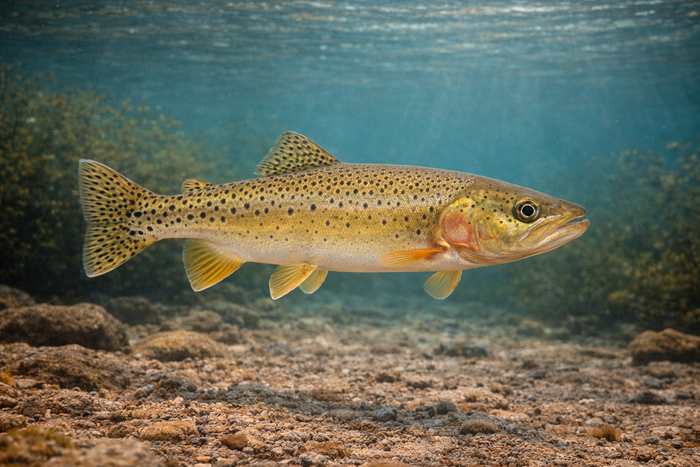
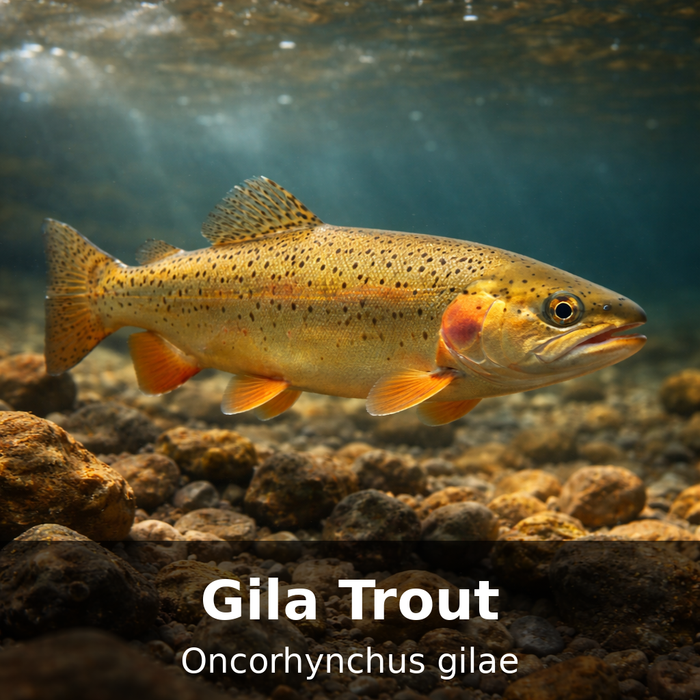
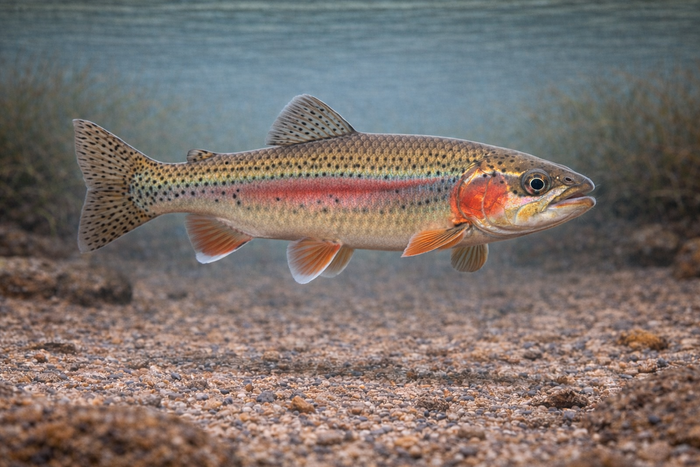
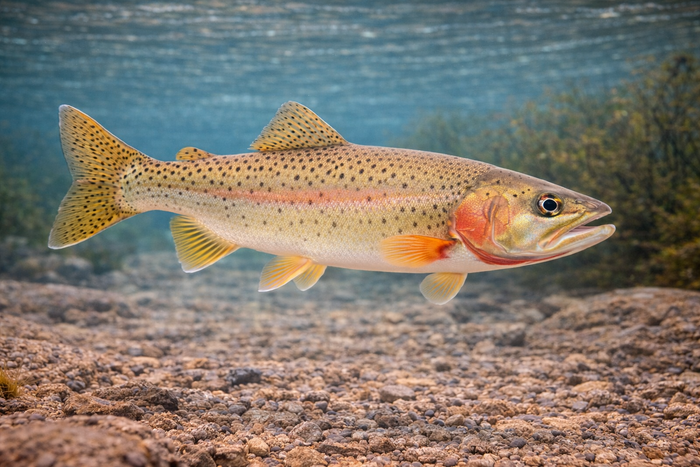
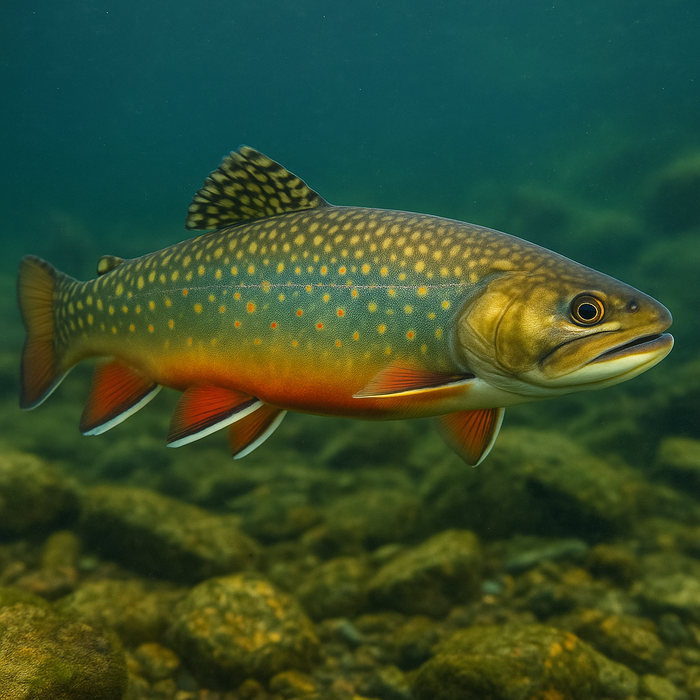
Golden Trout flaunt a color palette that seems ripped from an artist’s wildest dreams. Their bodies shimmer with a golden-yellow sheen, accented by vivid red stripes along the lateral line and contrasting black spots peppered across their backs and fins. This isn’t just eye candy; these colors serve as camouflage in their rocky, sun-dappled stream habitats.
Unlike many trout species that prefer lower elevations, Golden Trout thrive in cold, clear mountain streams and lakes above 7,000 feet. Their physiology is fine-tuned for these conditions, with a metabolism adapted to oxygen-rich, frigid waters. They also exhibit a more streamlined body shape compared to their cousins, optimized for darting through swift currents.
Golden Trout are part of the Oncorhynchus genus, which includes Pacific salmon and other trout species. Their evolutionary lineage is a fascinating study in adaptation, having diverged to occupy a niche that few other fish can handle. This makes them a critical species for understanding mountain stream ecology and evolutionary biology.
Habitat & Global Range
Golden Trout habitat is as exclusive as their appearance. They are native to the southern Sierra Nevada in California, primarily found in the Kern River basin. These fish prefer pristine, high-altitude environments with cold, clear water and gravelly stream beds. The combination of temperature, oxygen levels, and water purity is essential for their survival.
Globally, Golden Trout have a limited natural range. They have been introduced in some other western U.S. states and even parts of Europe, but these populations rarely match the genetic purity or ecological success of the original Sierra Nevada stock. Their habitat requirements make them vulnerable to changes in water quality and temperature, restricting their viable range.
Behavior & Temperament
Golden Trout are territorial and somewhat shy, especially compared to more aggressive trout species. They stake out feeding grounds and spawning areas, defending these spots with quick bursts of speed and sharp nips if provoked. Their diet consists mainly of aquatic insects, small crustaceans, and occasional terrestrial insects that fall into the water.
Spawning behavior is a carefully timed event, triggered by water temperature and flow. Golden Trout create redds—nests in gravel beds—where females deposit eggs. Males compete fiercely for access, but the competition is more about quick displays and positioning than outright combat.
These trout are opportunistic feeders but show a preference for drifting insects, making them a favorite target for fly fishermen who can mimic their natural prey. Their wariness and habitat in remote, rugged terrain add to the challenge and allure of catching them.
Ecological Importance
Golden Trout play a vital role in their mountain stream ecosystems. As mid-level predators, they help regulate insect populations, maintaining a balance that supports aquatic plant life and other species. Their presence indicates a healthy, functioning ecosystem because they require clean, cold water and stable habitats.
They also serve as prey for larger predators, including birds of prey and mammals, linking aquatic and terrestrial food webs. Their spawning activities contribute to nutrient cycling, redistributing organic material in stream beds and supporting microbial communities.
The genetic diversity within Golden Trout populations is a valuable resource for conservation biology. Studying their adaptations offers insights into resilience against climate change and habitat degradation, making them a bellwether species for mountain stream health.
Conservation & Environmental Pressures
Golden Trout face a gauntlet of environmental pressures that threaten their survival. Habitat degradation from logging, mining, and recreational activities has altered many of their native streams. Water diversion and warming temperatures due to climate change further stress these cold-water specialists.
Introduced species, particularly non-native trout like rainbow and brown trout, pose a significant threat through competition and hybridization. Hybrid offspring dilute the genetic purity of Golden Trout, undermining their unique adaptations and resilience.
Conservation efforts focus on habitat restoration, controlling invasive species, and maintaining genetic integrity through hatchery programs and protected areas. The Golden Trout Wilderness in California is a prime example of a dedicated effort to preserve their natural environment.
Ongoing monitoring and adaptive management are crucial. Without intervention, the combination of climate change and human impact could push Golden Trout populations into critical decline, erasing one of the most spectacular freshwater fish species on the planet.
The FishyAF Take
The Golden Trout is a masterclass in evolutionary finesse and ecological importance wrapped in a shimmering package. It’s a species that demands respect—not just for its striking looks but for its role as a sentinel of mountain stream health. Anglers chasing Golden Trout are not just after a trophy; they’re engaging with a piece of wild, untamed nature that’s increasingly rare.
If you want to understand what pristine freshwater ecosystems look like, start with Golden Trout facts and habitat. They show us what’s at stake when we lose sight of conservation priorities. This fish is a reminder that beauty and survival are intertwined, and that protecting these liquid gold gems means protecting the wild places they call home.