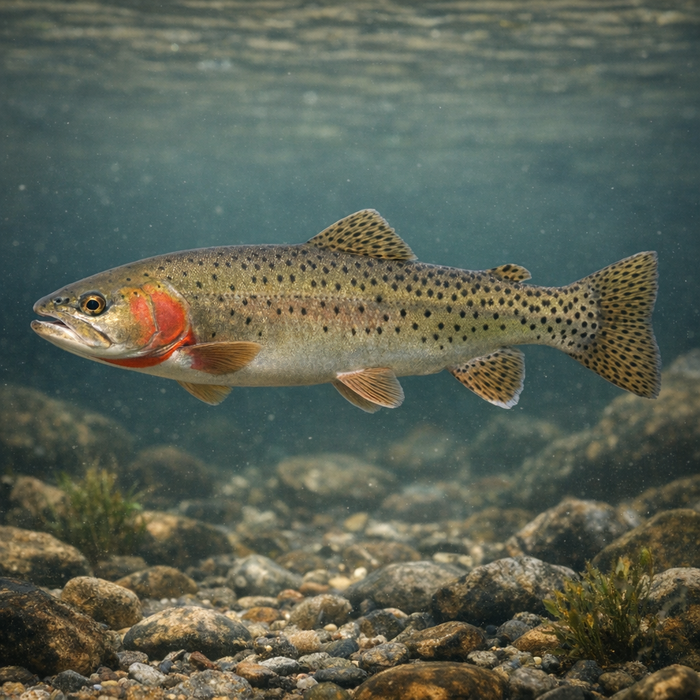
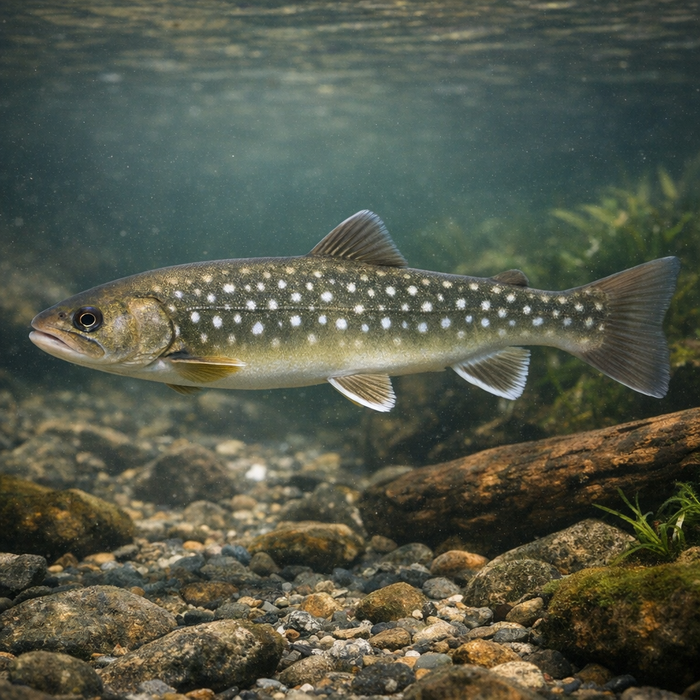
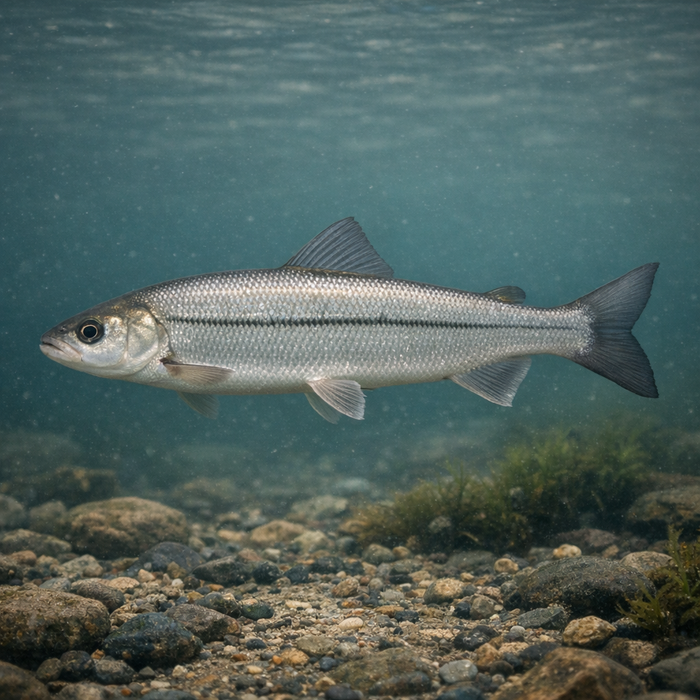
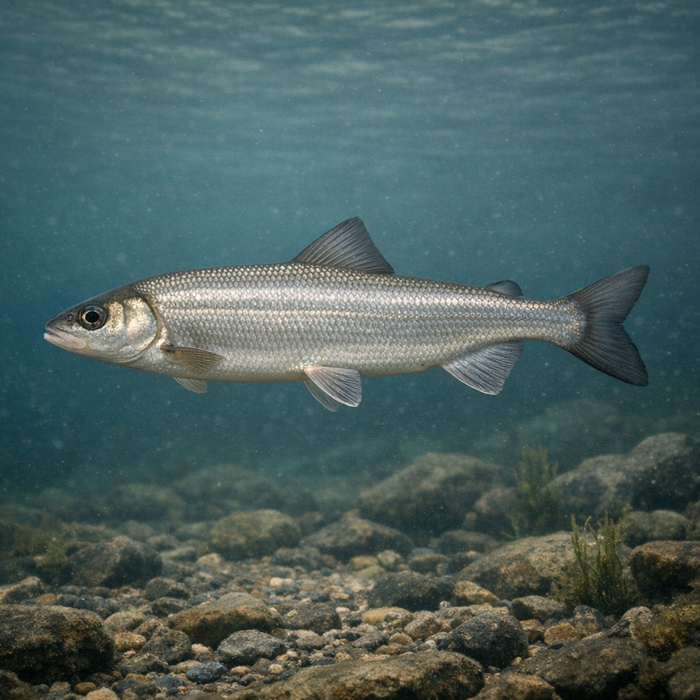
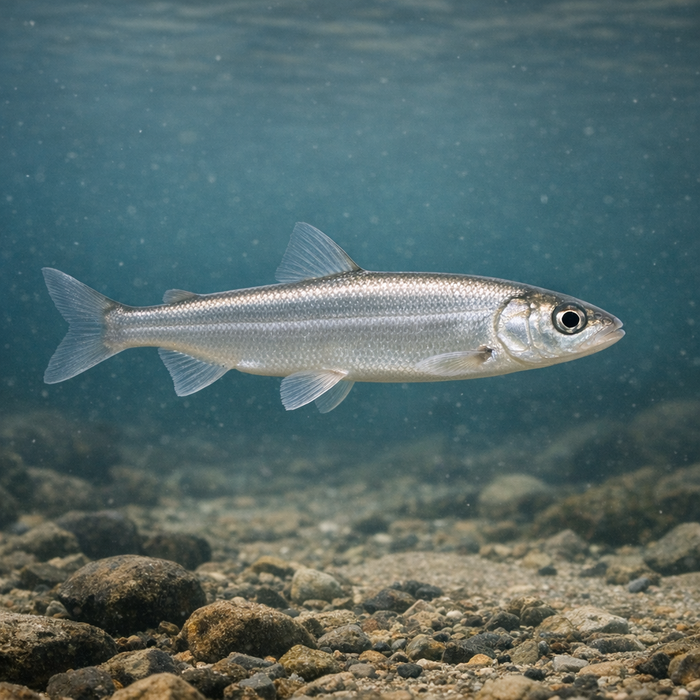
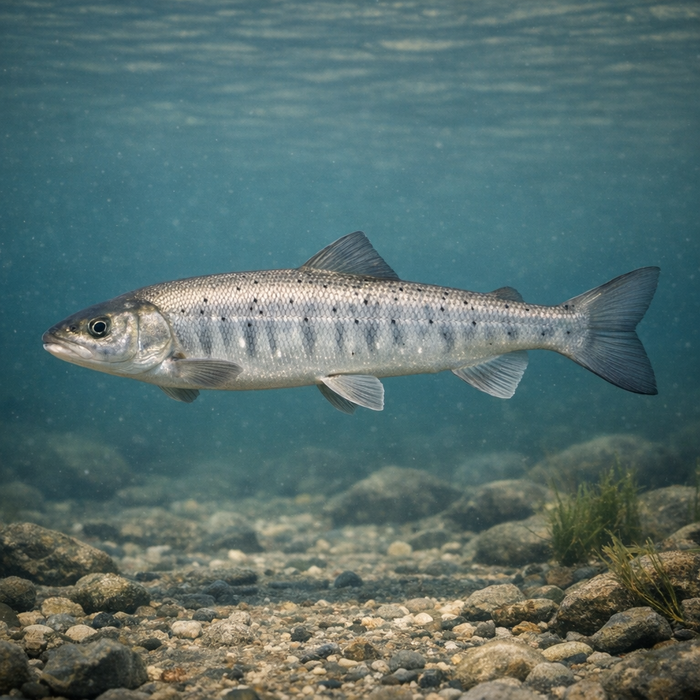
Chum Salmon (Oncorhynchus keta): The chrome underdog with fangs and attitudeIntroductionChum salmon don't care what you think. While the internet argues over kings and coho, chums slide in by the thousands, chrome as a mirror, stacked in tide rips and estuary seams. They've got the teeth of a junkyard dog and the endurance of a marathoner. For anglers who know, chum salmon means vicious grabs, tight lines, and brawls in shallow current. If you want some fast, gritty action, this is your fish. Let's dig into real-deal Chum salmon facts without the fluff.What Makes the Chum salmon Unique?First, those jaws. Spawning males grow oversized canine teeth that inspired the nickname "dog salmon." They're not for show. In the river, chums use them to joust for territory like medieval bruisers. Second, the wardrobe change. Ocean-bright chum salmon flash clean silver with subtle spots; come spawning time, they ignite into purple and olive bars, the famous calico look. Third, the life strategy is straight to business: juveniles head for saltwater within days, skipping the lake-rearing phase many salmon need. That means fast growth, big migrations, and exceptional toughness.Habitat & Global RangeIf you're mapping Chum salmon habitat, think Pacific Rim highways. From Korea and Japan across Russia's Far East to Alaska and down the West Coast, they run vast coastal river networks. They favor lower rivers, estuaries, and even brackish channels, with some populations spawning right where tides still whisper over the gravel. In the ocean phase, they cruise subarctic waters chasing rich forage and building those heavy shoulders. For anglers, the sweet spot is tidewater and the lower river where fresh fish push upstream in predictable pulses tied to tides and rain.Behavior & TemperamentFresh-run chums are hitters. They aren't the highest-flying acrobats, but they dog down in current and pull mean. In travel lanes, they move in schools, often stacking like cordwood on current breaks and sand edges. They'll crush jigs and spinners in pinks, chartreuse, and metallics, or inhale roe and prawns under a float. As they color up farther upriver, strikes get more territorial than hungry, but the take can still be savage if you time the push. Fights are all torque, headshakes, and blistering side runs.Ecological ImportanceChum salmon are nutrient engines. They move marine energy upstream by the ton, feeding forests, birds, bears, and the next cycle of fish. Their rapid juvenile-to-sea sprint spreads risk, and their wide distribution keeps runs resilient. Chum roe is a cultural and commercial staple, often processed as ikura. When the run booms, everything upstream and down benefits, from hungry gulls to hungry anglers.Conservation & Environmental PressuresGlobally, chum salmon trend stable compared to some Pacific cousins, but that's the 10,000-foot view. Zoom in and you'll find stressed local stocks in parts of the Pacific Northwest and Asia. Culprits: degraded estuaries, culverts that choke migration, warm water pushing timing off-kilter, and mixed-stock fisheries that tangle vulnerable runs with healthy ones. Hatcheries fill gaps in some basins, but they're not a free pass. Smart management means protecting tidal wetlands, keeping migration corridors open, and matching harvest to real-time returns.The FishyAF TakeChum salmon are the blue-collar prizefight you didn't know you needed. Show up in tidewater with a float and a pink jig, or swing a gaudy fly on a short tip, and they'll teach you about leverage, current, and drag settings. They aren't precious; they're honest. If you want glamour shots, chase kings. If you want to learn how salmon actually move, feed, and bulldog, chase chums. For anglers who value action, skill, and timing over hype, chum salmon deliver. That's the real Chum salmon habitat story: where current meets chrome and teeth.