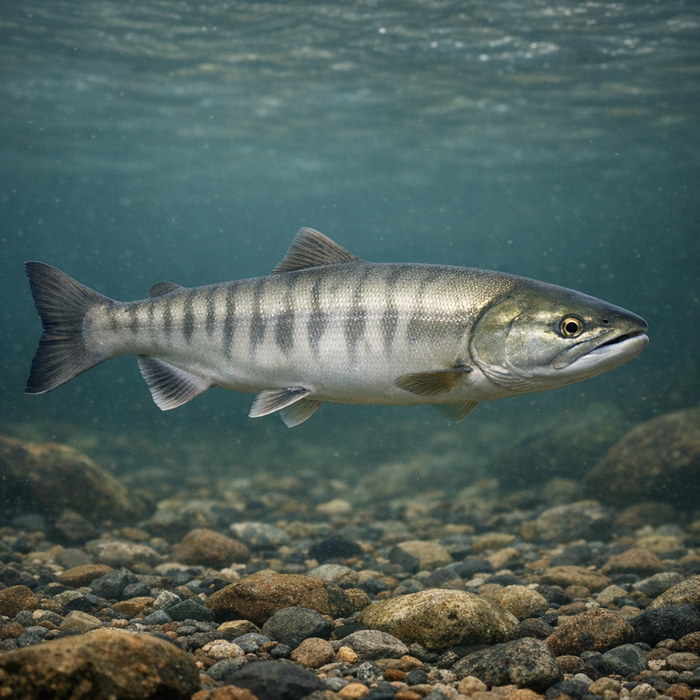
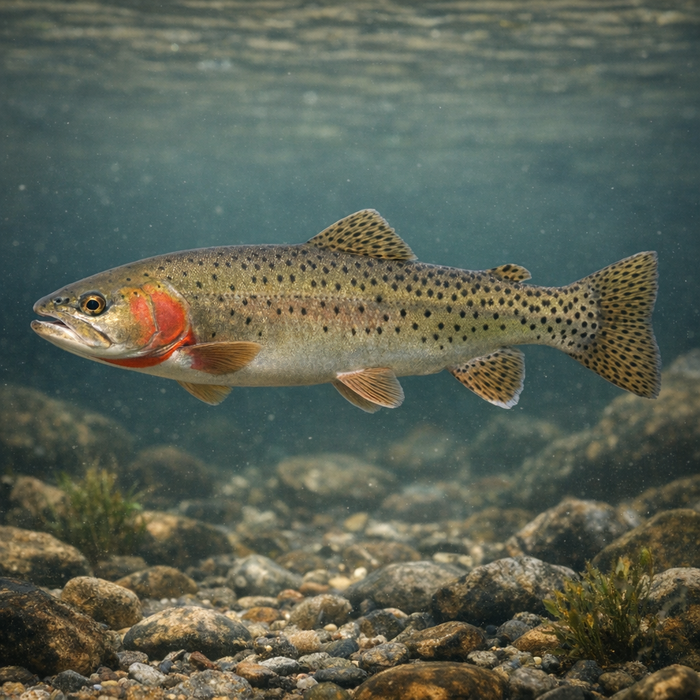
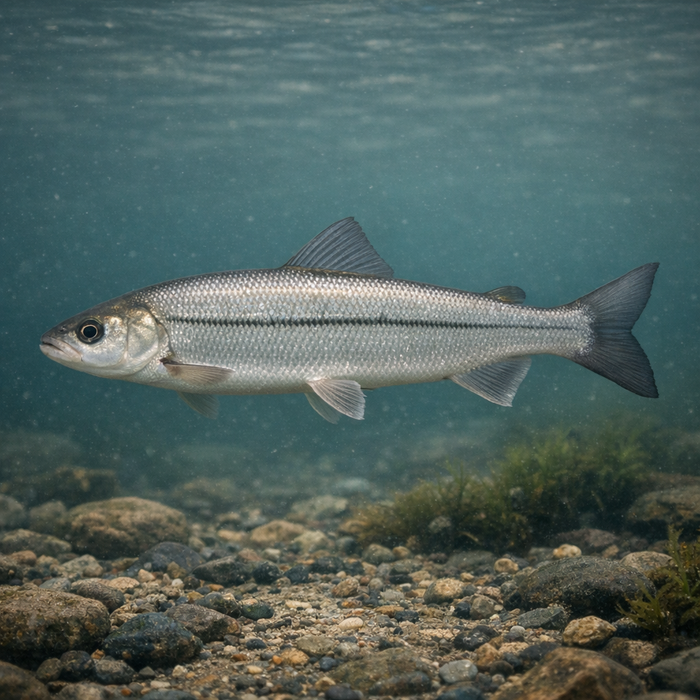
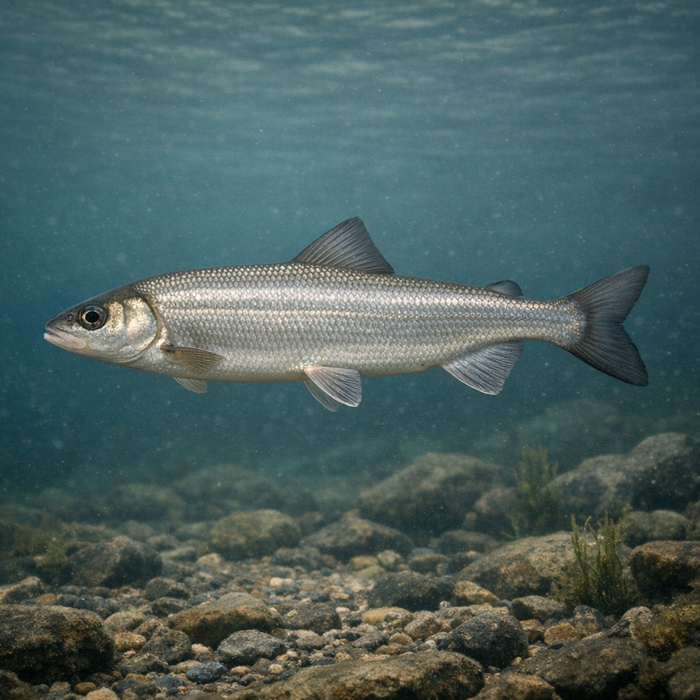
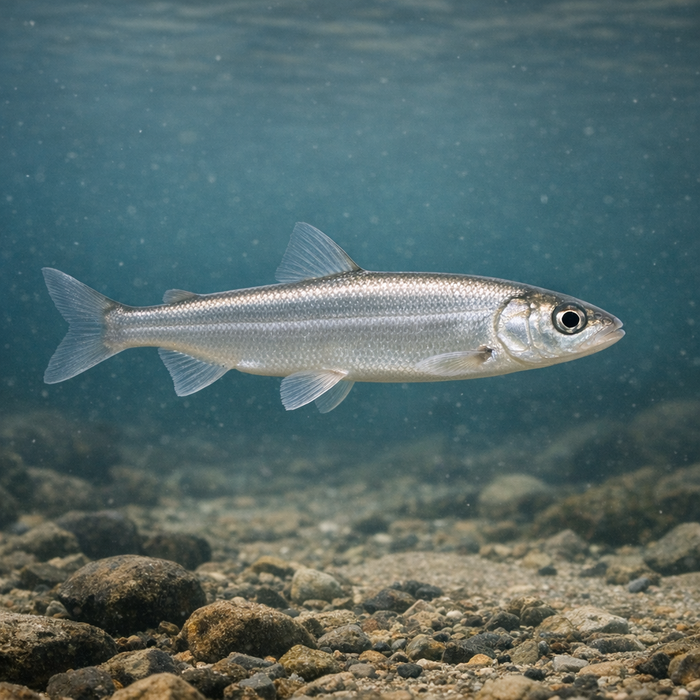
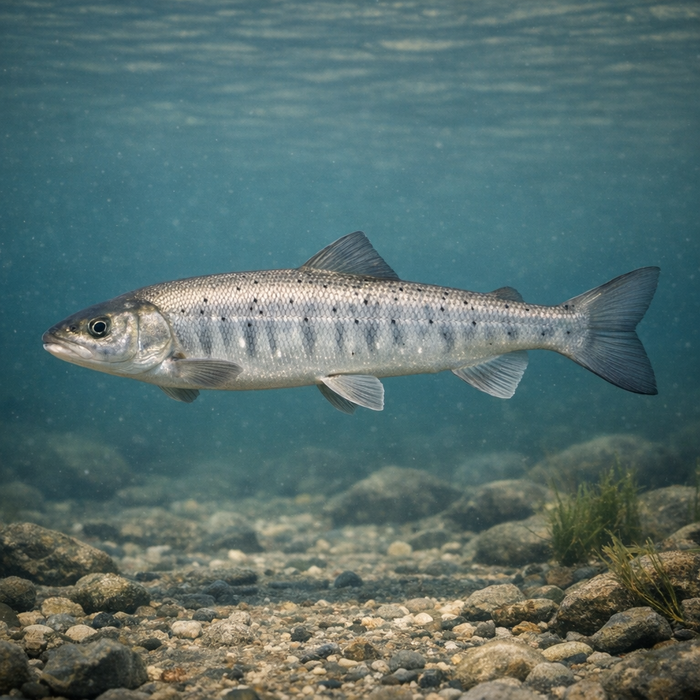
Whitespotted Char (Salvelinus leucomaenis): A Bold, Memorable Hook LineIntroductionThe whitespotted char is the stealth bomber of East Asian coldwater. It wears bright white polka-dots like a dare, slides through green pools like smoke, and then, when it's feeling salty, bolts to the coast and feeds in the surf. If you want a salmonid that keeps you guessing, this one is your chaos agent. Here's your dose of real-world Whitespotted char facts, minus the fluff.What Makes the Whitespotted char Unique?Start with the look: clean white spots on dark olive flanks and razor-edged white fin trims that scream "char." Then add the two-lane life plan. Some fish stay home in small mountain creeks, growing slow and mean. Others go full amemasu, dropping to sea, silvering up, and coming back thick-shouldered and hungry. That flexibility makes the whitespotted char a shape-shifter among salmonids. It's also remarkably cold-hardy, happily feeding in water that makes most fish tap out.Habitat & Global RangeWhitespotted char habitat runs from tiny, tea-clear headwater trickles to big northern lakes, and for the sea-run set, right out to cobble beaches and rocky estuaries. This species is native to East Asia, with strongholds in Hokkaido and northern Honshu, plus the Russian Far East and neighboring islands. They slot into the upper watershed where gradient, boulders, and wood create lies that recharge oxygen and hideouts. The amemasu crews stage in lower rivers and estuaries, ride coastal currents to blitz bait, then push upriver as temperatures and flows line up.Behavior & TemperamentThis fish is not reckless. Resident whitespotted char hold tight to cover and punish sloppy wading and big shadows. Sea-run fish are bolder but still suspicious of heavy hardware. They're crepuscular by design, punching cards at dawn and dusk with short, punchy feeding windows. On top, they'll sip delicately on summer terrestrials. Down deep, they crush baitfish with nasty, no-drama head shakes. Fights are gritty: bulldog runs, stubborn midwater dogging, and a last-ditch surge near the net. No aerial clowning, just torque.Ecological ImportanceWhitespotted char are apex ambushers at headwater scale and important movers of nutrients. Sea-run adults bring marine energy upstream when they return, spreading calories through eggs, carcasses, and scat. They also check populations of stream invertebrates and small fishes, keeping coldwater communities balanced. Their habit of running farther into the skinny blue lines than salmon means they occupy a niche few others can stomach.Conservation & Environmental PressuresOverall, the species sits relatively secure, but local pressure can bite hard. Coldwater streams are sensitive, and road-building, sediment, and channelization punch above their weight here. Warming trends shrink the good water, pushing fish into higher, smaller refuges. In some watersheds, introduced salmonids crowd or hybridize with native char. Angling pressure in clear, compact systems can also stack up. Smart management focuses on clean gravel, intact riparian shade, and conservative handling during warm spells.The FishyAF TakeIf you want a fish that rewards precision, the whitespotted char is your teacher and your test. It forces you to read micro-current, cast like you mean it, and stay quiet. For travelers, chasing amemasu on Hokkaido's cobble beaches is peak weird-cool: trout tactics in the surf with a salmonid that acts like a snook. Whether you're collecting Whitespotted char habitat notes or just trying to outsmart something with bright polka dots, this fish delivers challenge without drama and beauty without bragging. Bring stealth, bring patience, and bring a camera, because when the light hits those spots, you'll forget to breathe.