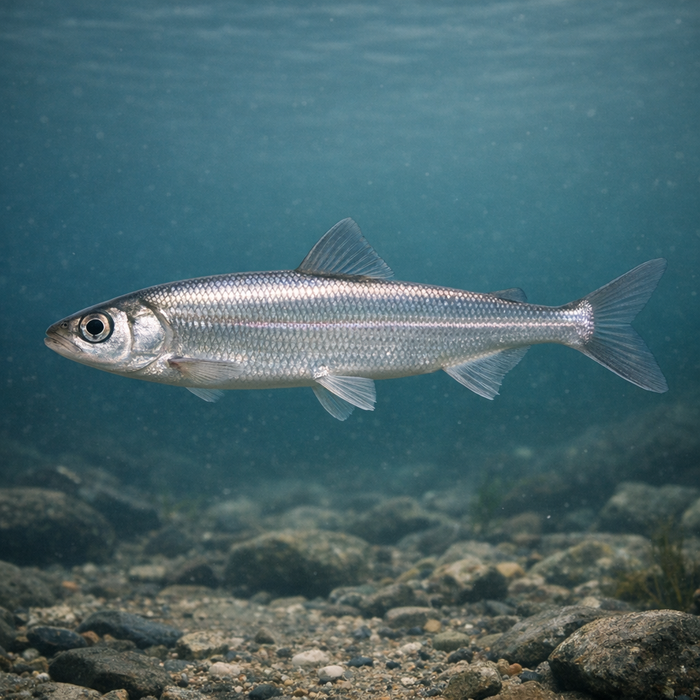
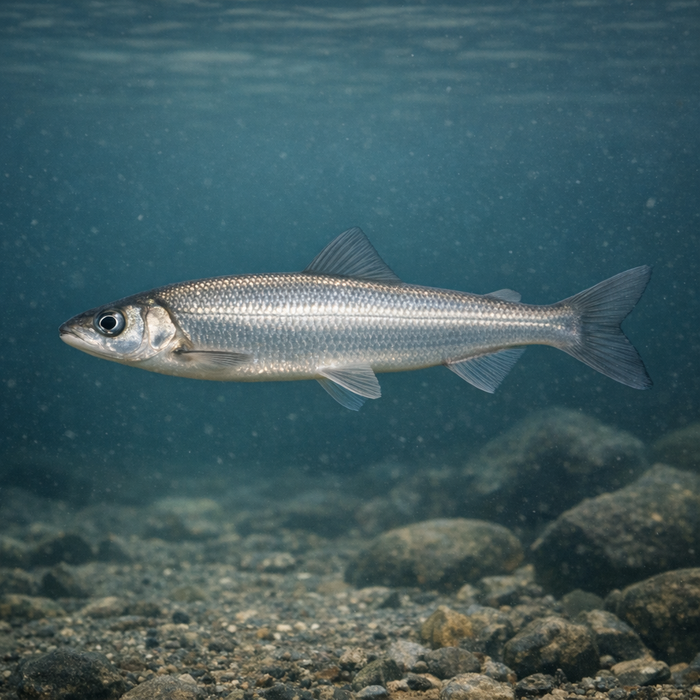
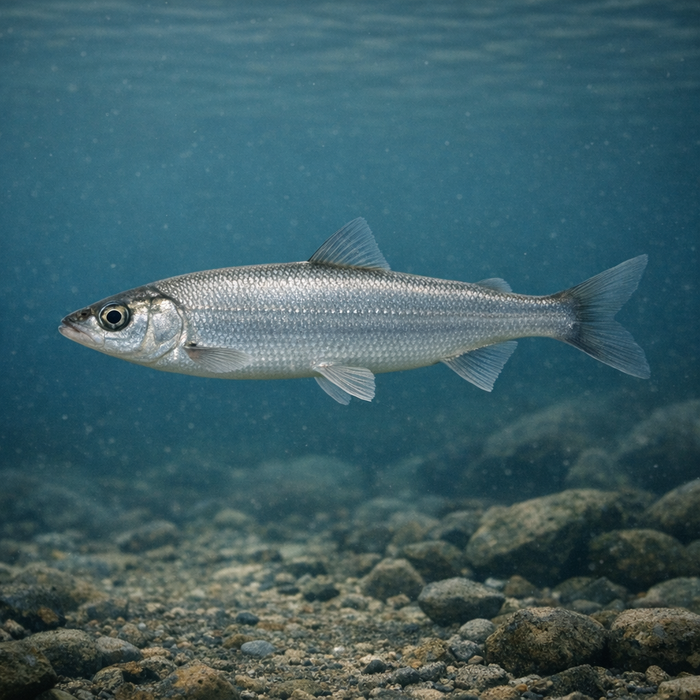
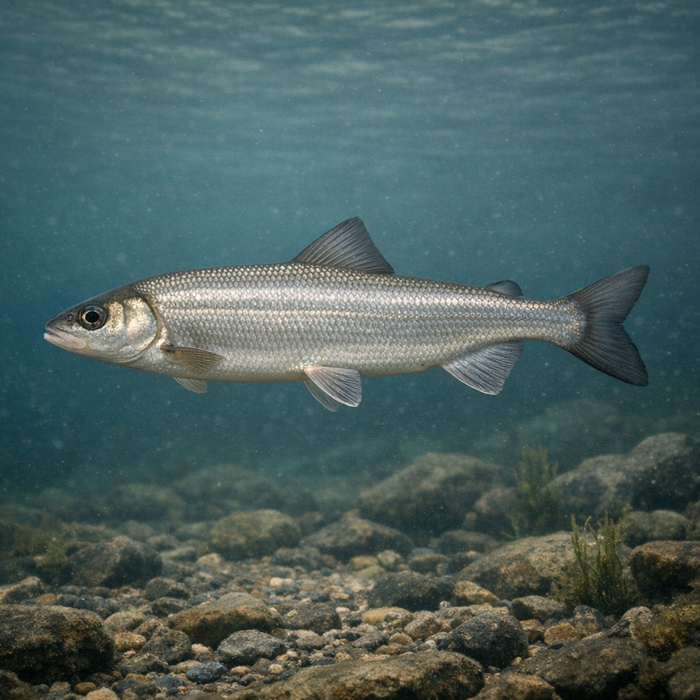
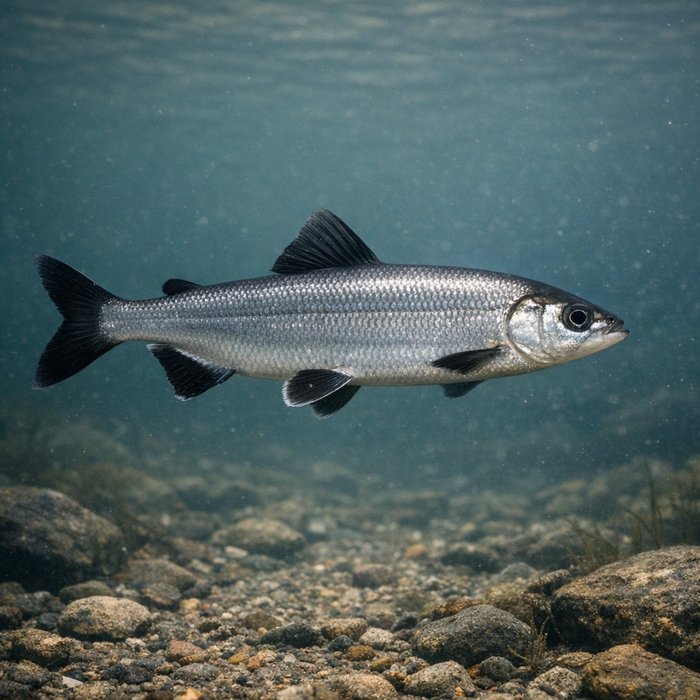
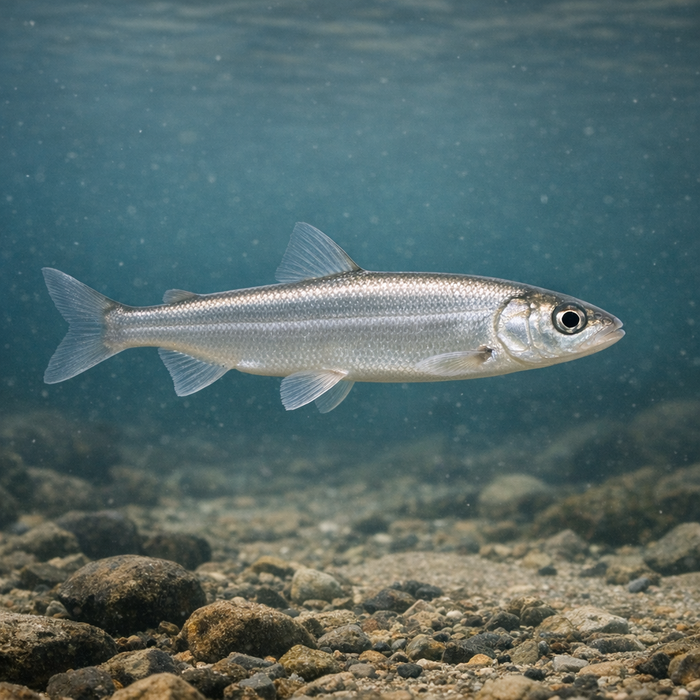
Bloater (Coregonus hoyi): A Bold, Memorable Hook LineIntroductionIf you've ever hauled up a silver football from 200 feet and watched it puff like a party balloon, you've met the bloater. This deepwater cisco is the quiet workhorse of Great Lakes food webs, a small, silvery fish that powers big predators and once anchored legendary smoked "chub" culture. Not a headline gamefish, sure, but the Bloater earns respect where it counts: in the cold, dark offshore where most tackle boxes never go. If you came here hunting Bloater facts or just looking to decode real Bloater habitat, you're in the right place.What Makes the Bloater Unique?Two big things. First, the bloater thrives in the abyss by filtering tiny prey with long, comb-like gill rakers. It's a silver vacuum cleaner in fins. Second, that gas bladder. Bring a bloater up fast and it inflates, explaining the name and making barotrauma a real release problem. Add a subtly deeper body than its cousin, the lake herring (cisco), and you've got a fish built for cold, high-pressure life-and occasional bycatch fame.Habitat & Global RangeLet's keep it simple: the Bloater is a Great Lakes specialist. Think offshore basins, 100 to 400 feet down, over clay, silt, or soft sand. It's a roamer, moving vertically with light and prey pulses. Historically widespread in multiple lakes, it cratered in some waters under pressure from invasive species and food web shifts. Lake Ontario's native stock winked out, and restoration crews are working to reboot the system. When anglers talk Bloater habitat, they're really talking deep, stable coldwater that stays well below the summer bathwater line.Behavior & TemperamentBloaters aren't brawlers. Hook one and you'll feel a soggy handshake, not a barroom brawl. But they're not timid either; they school, track plankton and mysids, and make predictable vertical moves tied to light and temperature. Low-light windows and winter stability often bunch them up near bottom. Their feeding style is surgical: inhale, sift, repeat. That means tiny presentations play well, especially when they're keyed on micro-prey.Ecological ImportanceWant lake trout, burbot, and salmon to thrive? Feed the pantry. The Bloater is protein on the hoof for heavy hitters, converting zooplankton and mysids into oily calories. It's the perfect middle link: not big, not flashy, but absolutely crucial. When bloaters decline, predators feel it. Old-school smoked chub culture didn't materialize out of nowhere; it rode robust bloater populations that turned offshore food energy into human food.Conservation & Environmental PressuresBloaters had a rough century: invasive competitors, altered plankton communities, and changing temperature profiles. They're rebounding in some basins and shaky in others. Lake Ontario is seeing hatchery-fueled comebacks, while Superior and Michigan carry deeper, more stable populations. Because barotrauma is a thing, accidental catches don't release well from serious depths. Add that to the ID tangle with other ciscoes, and management takes careful, lake-by-lake nuance.The FishyAF TakeThe Bloater isn't here for your hero shot. It's here to test whether you can fish the abyss with finesse. If you want a challenge that feels like science class snuck into your tackle bag, chase winter marks in 200 feet and bring micro-jigs. You'll learn something about patience, sonar discipline, and the secret economy of the Great Lakes. The Bloater won't rip line, but it'll teach you how deepwater really works, and that's a flex most anglers never earn.