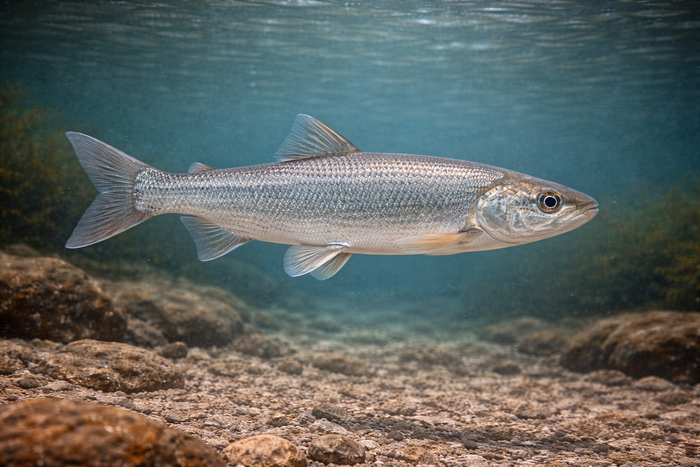
Lake Whitefish (Coregonus clupeaformis): The Coldwater Classic That Keeps Northern Lakes Buzzing
The Lake Whitefish is the unsung hero of North America’s freshwater ecosystems. It’s not flashy like a bass or aggressive like a pike, but it’s a cornerstone species with a quiet resilience that commands respect. If you want to understand the backbone of coldwater lakes from the Great Lakes to Canada’s northern waters, you need to know this fish. Packed with subtle complexity and ecological muscle, the Lake Whitefish is a species that deserves more spotlight in the angling and conservation world.
What Makes the Lake Whitefish Unique?
Lake Whitefish are part of the salmonid family, sharing lineage with trout and salmon, but they’ve carved out their own niche. Their body shape is streamlined yet robust, built for efficient cruising in cold, deep waters. Unlike many game fish, they feed primarily on bottom-dwelling invertebrates and mollusks, using their specialized teeth to crush shells. This dietary habit sets them apart from their more predatory cousins.
One of the most fascinating Lake Whitefish facts is their spawning behavior. They migrate to rocky shoals in the fall, often under the cover of darkness, to lay eggs. This nocturnal ritual reduces predation risk and ensures their offspring have a fighting chance. Their eggs incubate over winter and hatch in early spring, perfectly timed for the seasonal food boom.
Habitat & Global Range
Lake Whitefish habitat is strictly cold and clean freshwater lakes and large rivers across much of Canada and the northern United States. They thrive in deep, oxygen-rich waters where temperatures hover between 4 to 10 degrees Celsius. Their range extends from the Great Lakes basin up through the boreal lakes of Canada and into parts of Alaska.
They are highly adapted to these chilly environments, often found at depths exceeding 30 meters during summer stratification when surface waters warm. This preference for cold, deep water makes them sensitive indicators of water quality and temperature shifts. If you’re fishing in a northern lake with clear, cold water, chances are good you’re in Lake Whitefish territory.
Behavior & Temperament
Lake Whitefish are not your aggressive, in-your-face predators. They’re more like the steady, dependable types of the fish world. They school tightly, moving in synchronized groups that can number in the thousands. This schooling behavior is a defense mechanism against predators like lake trout and northern pike.
Their feeding is mostly benthic, meaning they forage along the lake bottom. They use their keen sense of smell and taste to locate prey buried in sediment. Unlike flashy surface feeders, Lake Whitefish are patient and methodical, picking at snails, insect larvae, and small crustaceans.
During spawning, their behavior shifts dramatically. Males develop hooked jaws and tubercles, signaling readiness to compete for females. The spawning grounds become a battleground of subtle dominance displays rather than outright aggression.
Ecological Importance
Lake Whitefish play a pivotal role in freshwater ecosystems. They are a key prey species for top predators like lake trout, walleye, and even some bird species. Their abundance supports a complex food web, making them a linchpin for biodiversity.
Beyond being prey, their benthic feeding helps regulate populations of invertebrates and mollusks, maintaining a balance in the lake’s benthic community. This ecological service prevents overpopulation of certain species that could otherwise disrupt sediment quality and nutrient cycling.
Fisheries also depend heavily on Lake Whitefish. They are prized for their delicate, flaky white flesh and are a staple in commercial and subsistence fisheries across their range. Their economic and cultural value to indigenous communities and local economies is substantial.
Conservation & Environmental Pressures
Despite their hardy reputation, Lake Whitefish face mounting challenges. Habitat degradation from pollution, invasive species, and climate change threatens their coldwater habitat. Rising lake temperatures can push them out of their preferred depth zones, stressing populations.
Invasive species like zebra mussels alter the benthic environment, impacting food availability. Overfishing in some areas has also led to localized declines, although many populations remain stable due to effective management.
Conservation efforts focus on protecting water quality, monitoring populations, and managing fisheries sustainably. Maintaining the integrity of Lake Whitefish habitat is critical, especially as climate models predict warmer, less oxygenated lakes in the future.
The FishyAF Take
The Lake Whitefish is the quiet powerhouse of northern freshwater lakes. It’s not the flashiest catch, but it’s a species that commands respect through ecological importance and evolutionary finesse. If you want to understand the pulse of coldwater lakes, you need to understand the Lake Whitefish.
For anglers, it’s a rewarding challenge to target these bottom feeders, requiring finesse and patience rather than brute force. For conservationists, it’s a bellwether species signaling the health of some of the most pristine freshwater ecosystems left.
Lake Whitefish facts and Lake Whitefish habitat details reveal a species perfectly tuned to its environment but vulnerable to rapid change. Protecting this fish means protecting the future of coldwater lakes and the complex webs of life they support. Keep your eyes on the Lake Whitefish—it’s a species that quietly shapes the freshwater world.