Cisco (Coregonus artedi): The Unsung Hero of Cold Freshwaters
Meet the Cisco, a freshwater fish that doesn’t scream for attention but quietly dominates the cold, deep lakes of North America. Often overshadowed by its more famous relatives like trout and salmon, the Cisco holds its own with a unique blend of adaptability and ecological significance. If you’re diving into Cisco facts, prepare to discover a species that’s both a vital food source and a key player in freshwater ecosystems.
What Makes the Cisco Unique?
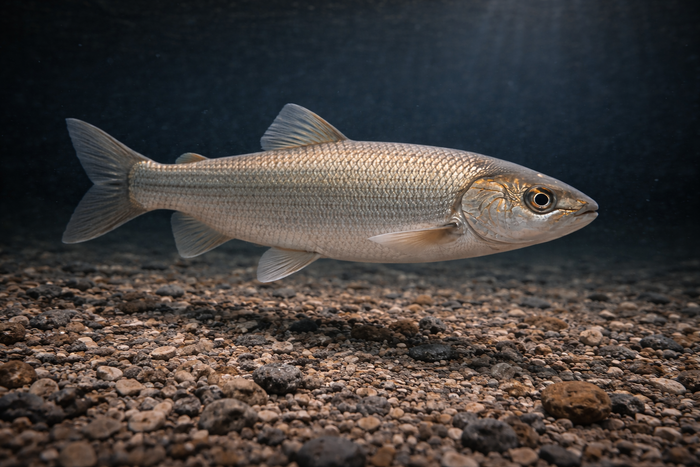
The Cisco stands out among freshwater fish for its subtle yet effective adaptations. It’s part of the whitefish family, Coregonidae, which means it’s built for endurance in cold, oxygen-rich waters. Unlike flashy game fish, Cisco has a streamlined, silvery body with a slightly forked tail, designed for efficient swimming in open water. Its feeding habits are versatile—it’s an opportunistic planktivore, snatching up zooplankton and small invertebrates, but it can also shift to small fish when the opportunity arises.
One of the most interesting Cisco facts is its role as a coldwater specialist. It thrives in temperatures that would slow down or stress many other species. This specialization allows Cisco to occupy ecological niches that few others can, making it a cornerstone of coldwater food webs.
Habitat & Global Range
Cisco habitat is primarily centered in the deep, cold lakes of North America, especially in the northern United States and Canada. Think of the Great Lakes, the upper Midwest, and parts of the boreal forest region. These fish prefer clear, oxygen-rich waters with temperatures generally below 15 degrees Celsius (59 degrees Fahrenheit). Depth is crucial—Cisco often hang out in the cooler, deeper layers of lakes during the summer, avoiding warmer surface waters.
Their range extends from the Great Lakes basin through the upper Mississippi River system and into various Canadian lakes. This distribution reflects their preference for glacially formed lakes with stable, cold environments. Cisco populations can be patchy, depending on water quality and lake characteristics, but where they thrive, they form dense schools that can dominate the pelagic zone.
Behavior & Temperament
Cisco behavior is a study in efficiency and survival. These fish are schooling creatures, moving in tight groups to reduce predation risk and improve foraging success. Their schooling behavior also makes them a prime target for larger predators like lake trout, northern pike, and even humans.
They are primarily pelagic feeders, cruising the open water column in search of plankton and small prey. Cisco are most active during dawn and dusk, taking advantage of low light conditions to feed while minimizing exposure to predators. Their reproductive behavior is timed with seasonal changes; spawning typically occurs in the fall over rocky or gravelly lake bottoms, where they release eggs that settle into the substrate.
Temperament-wise, Cisco are not aggressive. They’re more about survival and efficiency than territorial disputes or flashy displays. This makes them less of a target for anglers seeking a fight but more important as a steady, reliable species in the food chain.
Ecological Importance
Cisco’s ecological role is massive despite their low profile. They act as a crucial middle link in freshwater food webs, transferring energy from the microscopic plankton up to top predators. Without Cisco, many lake ecosystems would face a breakdown in energy flow, impacting species diversity and abundance.
They are a key prey species for commercially and recreationally important fish like lake trout and walleye. Their schooling behavior and abundance make them a dependable food source, supporting healthy predator populations. Additionally, Cisco contribute to nutrient cycling within lakes by feeding on plankton and excreting nutrients that support other aquatic life.
In some lakes, Cisco also compete with invasive species, helping to maintain ecological balance. Their presence can indicate good water quality and a healthy ecosystem, making them a valuable bioindicator species for freshwater habitats.
Conservation & Environmental Pressures
Despite their resilience, Cisco face growing environmental pressures. Habitat degradation, pollution, and climate change are shifting the coldwater conditions they depend on. Warmer lake temperatures reduce suitable habitat, pushing Cisco into smaller, deeper refuges or causing population declines.
Invasive species like alewife and rainbow smelt have also disrupted Cisco populations by competing for food and preying on their young. Overfishing in some regions has further stressed local populations, although Cisco are not typically targeted as heavily as other game fish.
Conservation efforts focus on protecting coldwater habitats, improving water quality, and managing invasive species. Maintaining the integrity of Cisco habitat means preserving the deep, oxygen-rich lakes they need to survive. Monitoring Cisco populations provides insight into broader ecosystem health, making their conservation a priority for freshwater biodiversity.
The FishyAF Take
Cisco might not be the flashiest fish in the lake, but they’re a powerhouse of ecological importance and evolutionary finesse. Their ability to thrive in cold, deep waters and support entire food webs makes them indispensable. If you want to understand freshwater ecosystems or improve your fishing game, knowing Cisco facts and respecting their habitat is non-negotiable.
Ignoring Cisco is like ignoring the foundation of a building—it might not be glamorous, but without it, everything else falls apart. So next time you’re near a northern lake, remember the Cisco: the quiet, efficient, and absolutely essential fish holding the ecosystem together.