Lake Trout (Salvelinus namaycush): The Cold-Water Predator That Commands the Deep
Lake trout are the apex predators of North America’s deep, cold freshwater lakes. Known for their striking appearance and impressive size, these fish are a favorite among anglers and ecologists alike. Their scientific name, Salvelinus namaycush, hints at their char lineage, setting them apart from typical trout and salmon. If you want to understand a fish that thrives where others struggle, the lake trout is your go-to species.
What Makes the Lake Trout Unique?
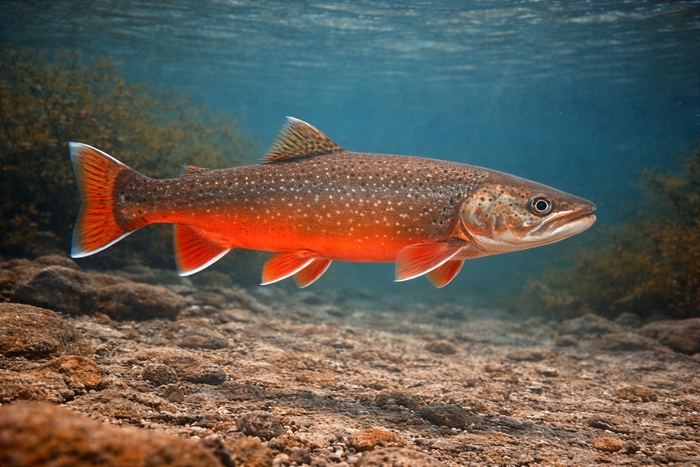
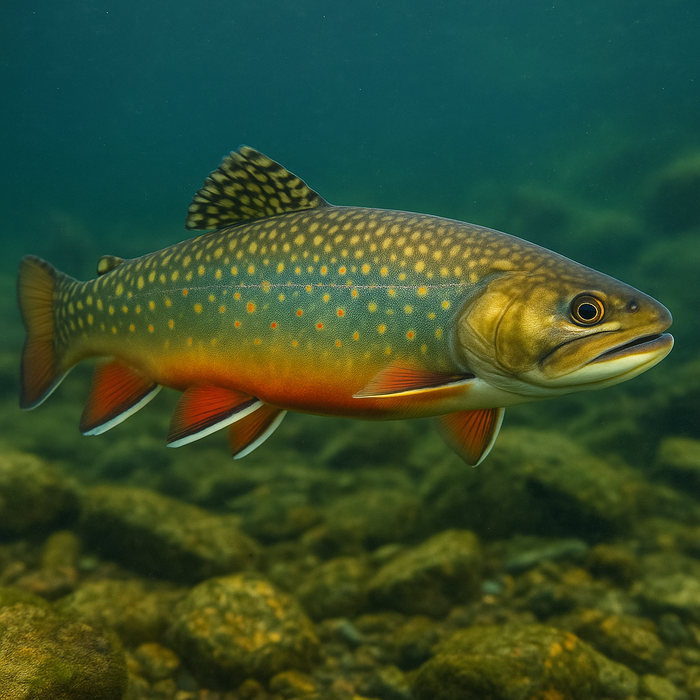
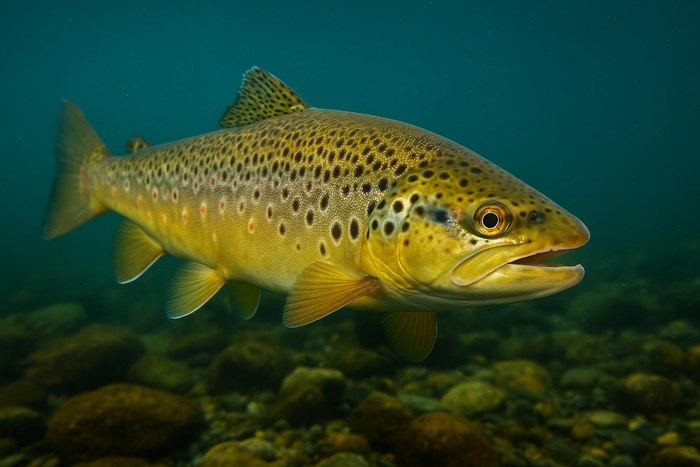
Lake trout are not your average trout. They belong to the char genus, which means they sport light spots on a darker body, the reverse of most trout. Their coloration can vary dramatically depending on their environment, ranging from silvery to deep olive or almost black, often with pale yellow or cream spots. This adaptive camouflage is a survival masterstroke.
They grow big—really big. Some individuals tip the scales at over 40 pounds, making them one of the largest freshwater trout species. Their longevity is impressive too, with some living over 25 years. This slow growth and long lifespan mean lake trout are strategic predators, not reckless hunters.
Unlike many trout that prefer shallow, fast-moving waters, lake trout are built for deep, cold lakes. Their physiology is adapted to low temperatures and low oxygen environments, allowing them to exploit niches unavailable to other fish.
Habitat & Global Range
Lake trout habitat is a study in contrasts. They are native to the cold, oligotrophic lakes of North America, primarily in Canada and the northern United States. Their range extends from the Great Lakes and the upper Mississippi basin to parts of Alaska and even into Siberia. These fish prefer deep, cold lakes with clear water and rocky or gravelly bottoms.
The key to their habitat is temperature. Lake trout thrive in waters between 4 and 12 degrees Celsius. They often hang out at depths of 30 to 60 meters during summer, where the water remains cold year-round. This preference limits their range but also reduces competition and predation pressure.
Their habitat also influences their diet and behavior. In some lakes, they feed heavily on smaller fish like ciscoes and whitefish, while in others, they rely more on invertebrates. This dietary flexibility is a hallmark of their survival strategy.
Behavior & Temperament
Lake trout are ambush predators with a patient streak. They rely on stealth and sudden bursts of speed to capture prey. Their large mouths and sharp teeth are built for gripping slippery fish. They are solitary hunters, often patrolling the deep lake bottoms or midwaters alone.
Spawning behavior is another fascinating aspect. Lake trout spawn in the fall, often on rocky shoals or reefs. They do not build nests but scatter eggs over gravel, relying on water currents to oxygenate and protect the eggs. This method is risky but effective in their cold, oxygen-rich environments.
Temperament-wise, lake trout are not aggressive toward humans but are wary and elusive. Anglers prize them for their fight and cunning, as they are not easily fooled by lures or bait. Their deep-water habits make them a challenge to catch, adding to their mystique.
Ecological Importance
Lake trout play a crucial role in their ecosystems as top predators. They help regulate populations of smaller fish species, maintaining a balanced food web. This control prevents overgrazing on zooplankton and helps sustain water quality by keeping algal blooms in check.
Their presence is also an indicator of lake health. Because they require cold, oxygen-rich water, thriving lake trout populations signal a well-functioning aquatic ecosystem. Conversely, declines in lake trout numbers often point to environmental stressors like warming waters or pollution.
In some lakes, lake trout have been introduced to control invasive species or to provide sport fishing opportunities. While this can be beneficial, it sometimes disrupts native fish communities, underscoring the need for careful management.
Conservation & Environmental Pressures
Lake trout face several conservation challenges. Climate change is a major threat, as rising water temperatures shrink their cold-water habitat. Warmer lakes reduce oxygen levels and force lake trout into smaller, deeper refuges, increasing stress and vulnerability.
Overfishing has historically impacted some populations, especially in the Great Lakes. Although regulations and stocking programs have helped, illegal fishing and habitat degradation remain concerns.
Invasive species like sea lamprey and alewife have also disrupted lake trout populations by preying on juveniles or competing for food. Efforts to control these invaders are ongoing but require constant vigilance.
Pollution and habitat destruction from development and logging can degrade spawning grounds and water quality, further stressing lake trout populations. Conservation strategies focus on habitat protection, sustainable fishing practices, and monitoring environmental changes.
The FishyAF Take
Lake trout are the cold-water kings of North America’s deep lakes. Their unique biology, impressive size, and ecological role make them a species worth respecting and protecting. They are not just another fish to catch; they are a living barometer of freshwater health and a testament to evolutionary adaptation.
If you want to fish for lake trout, prepare for a challenge. These fish demand patience, skill, and respect for their environment. Understanding lake trout facts and lake trout habitat is essential not just for anglers but for anyone interested in freshwater ecology.
In a world where many fish species are struggling, the lake trout stands out as a symbol of resilience and complexity. Protecting them means preserving the cold, clear lakes they call home—and that’s a win for everyone.