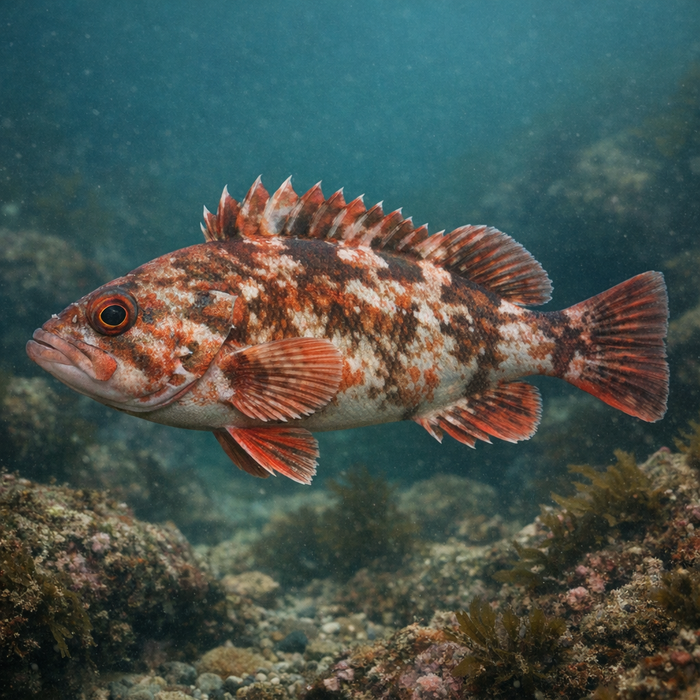
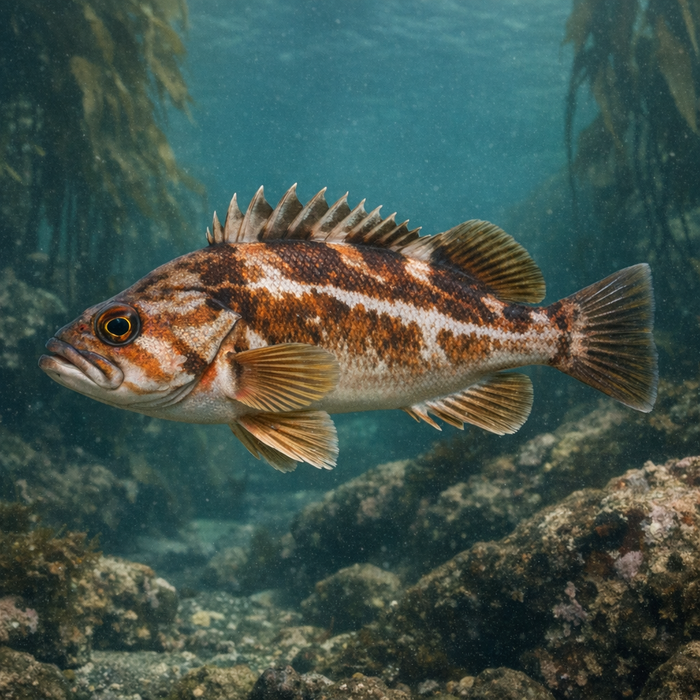
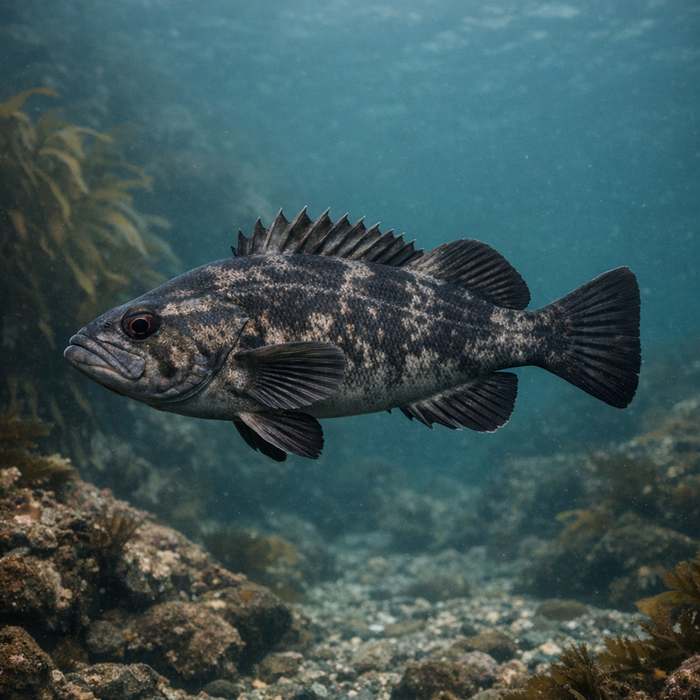
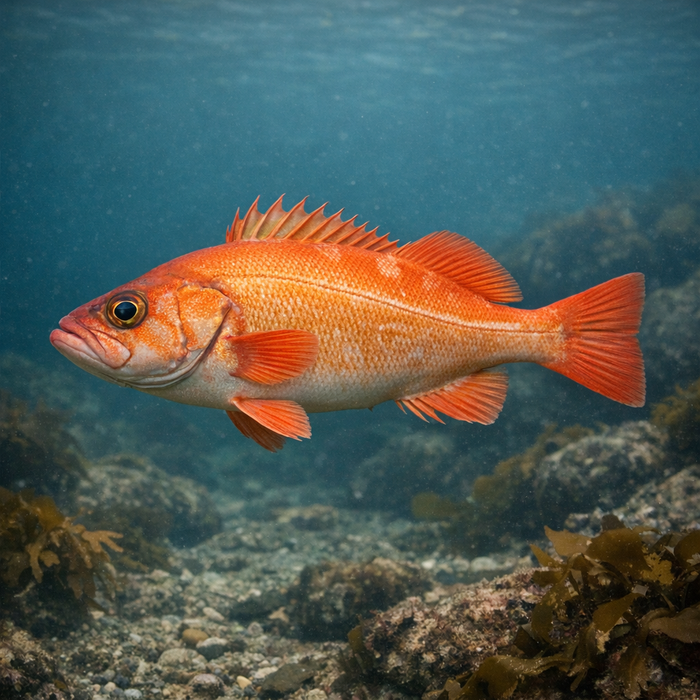
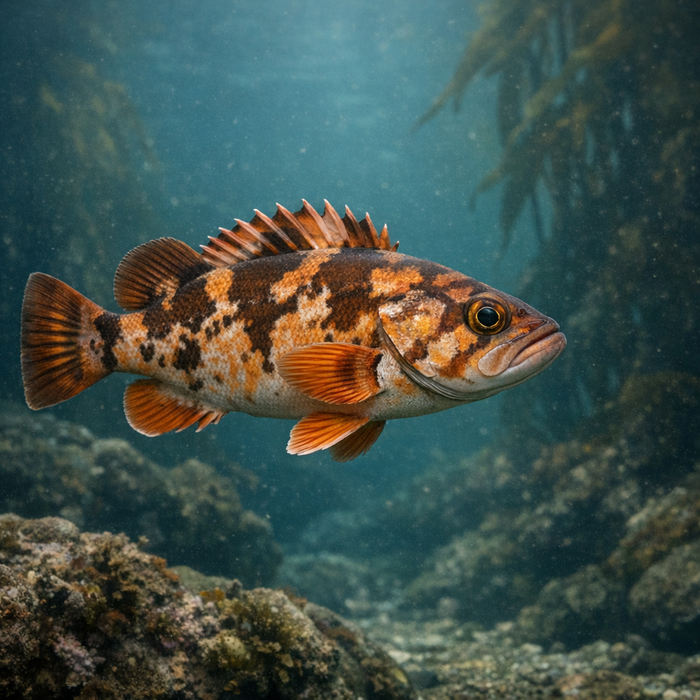
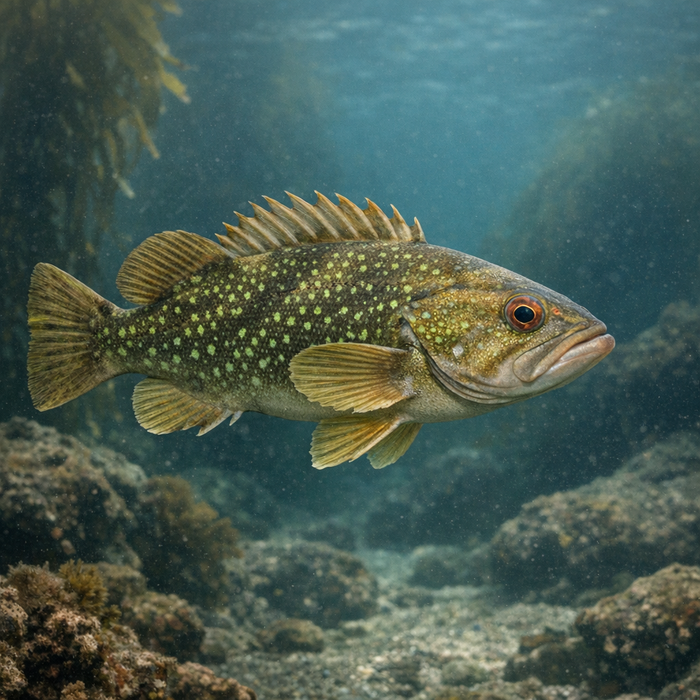
Player Scorpionfish (Scorpaena histrio): A Bold, Memorable Hook LineIntroductionThe Player scorpionfish is the reef's grumpy statue: stocky, stone-colored, and absolutely lethal at close range. You won't see it until you almost touch it, and by then it's already judged you, raised the spines, and prepared to inhale whatever was careless enough to drift into its strike box. For anglers, the Player scorpionfish is part surprise, part trophy photo, and part careful dehooking. If you're here for Player scorpionfish facts and straight talk, buckle up.What Makes the Player scorpionfish Unique?Three things: camouflage, venom, and vacuum power. The Player scorpionfish wears textured tassels and mottling that turn rock and kelp stain into a cloak. Its dorsal spines are venomous, the business end of a fish you absolutely handle with tools. And when it feeds, Scorpaena histrio doesn't chase; it detonates a suction strike that swallows prey before a blink finishes. That combo makes the Player scorpionfish the reef's ultimate couch hunter.Habitat & Global RangeThink shallow to moderate depths along rocky reefs, ledges, surge gullies, and coral rubble. The Player scorpionfish loves tight structure with shadow lines, sand-reef edges, and crevices where back-eddies deliver snacks. It's a homebody, sliding a few fin-lengths to reposition, but rarely roaming far. While the broader scorpionfish clan spans oceans, Scorpaena histrio is best associated with Indian Ocean and African reef systems. If you were building a Player scorpionfish habitat in your head, picture boulders, kelp holdfasts, coralline shelves, and a little side current for conveyor-belt dining.Behavior & TemperamentThe Player scorpionfish plays life like chess, not checkers. It sets up, blends in, and lets the world blunder into its square. Movement is minimal. Confidence is high. It spikes its dorsal warning flags when stepped to and drops them once the threat backs off. Bites are decisive and usually close to bottom, followed by a bulldogged, short fight that ends near the same rock it started on. This fish isn't schooling or surface-busting. It's patient, territorial, and wired for dusk-and-dawn ambush windows.Ecological ImportanceAmbush predators like the Player scorpionfish trim overeager small fishes and crustaceans, keeping reef energy flowing and rash decisions punished. That quiet pressure helps maintain balance among grazers and juvenile fish hordes. In turn, the Player scorpionfish feeds larger reef bruisers and the occasional smart predator. Its camouflage and cryptic habits also make it a favorite example for divers learning how "empty" reefs are anything but. Pull back the curtain, and the Player scorpionfish is one of the reef's backstage bouncers.Conservation & Environmental PressuresScorpaena histrio doesn't grab headlines, which is good and bad. It isn't hammered by heavy directed effort, but it shares the same stage as more famous reef species that depend on healthy structure. Habitat loss, coastal pollution, and reef degradation reduce the number of productive ambush nooks. Local harvest rules vary, and bycatch from bait fishing is common. Fortunately, this species isn't a distance migrator, so marine protected areas and reef-friendly management can pay off quickly right where they're implemented.The FishyAF TakeThe Player scorpionfish is proof that you don't need speed to be a killer. It's a living booby trap with epic camouflage, venom for anyone who gets grabby, and a mouth that works like a shop vac. As a catch, it's part curiosity and part respect test: can you fish a nasty reef cleanly, feel that whisper bite, and then handle the dehook like a pro? If your idea of fun is sneaking out a heavyweight from a pocket-sized strike zone, the Player scorpionfish delivers. Just bring pliers and humility. That rock might be watching you.