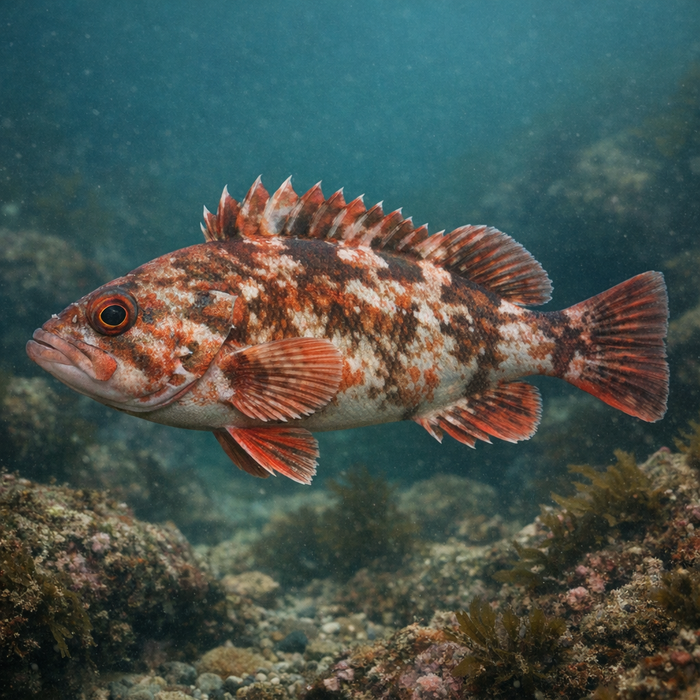
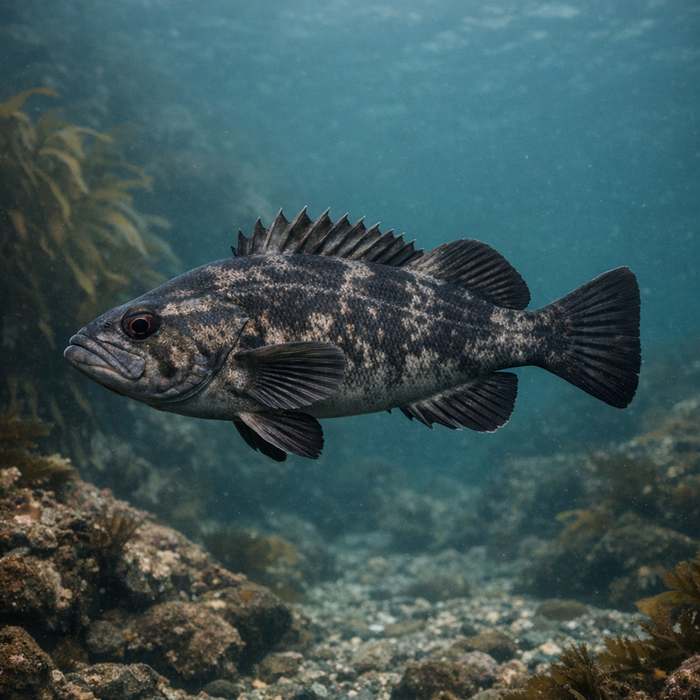
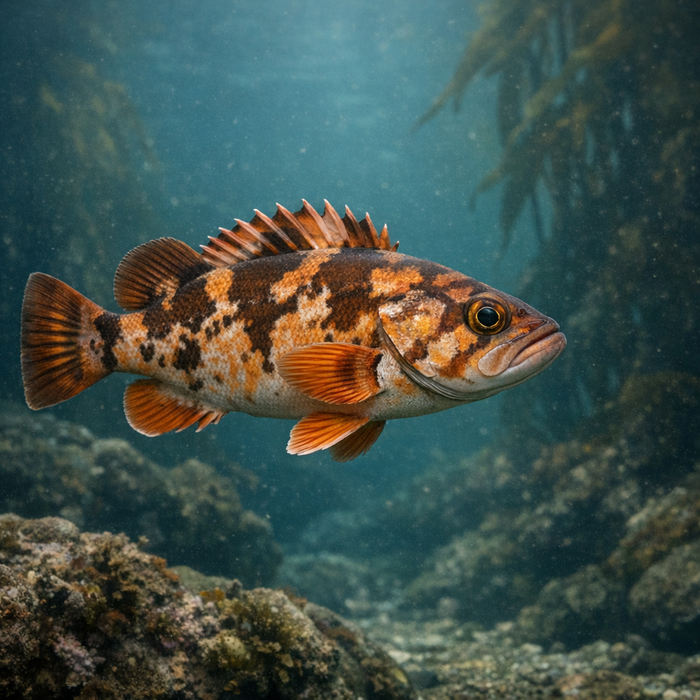
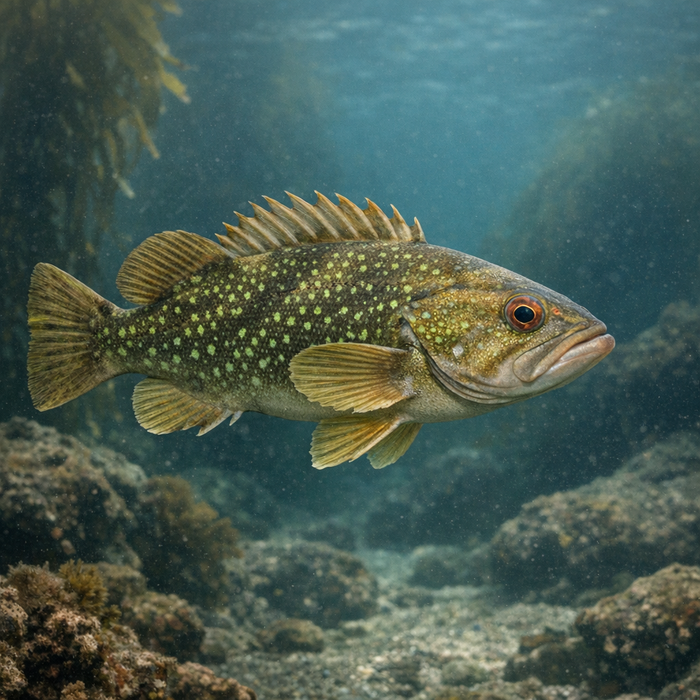
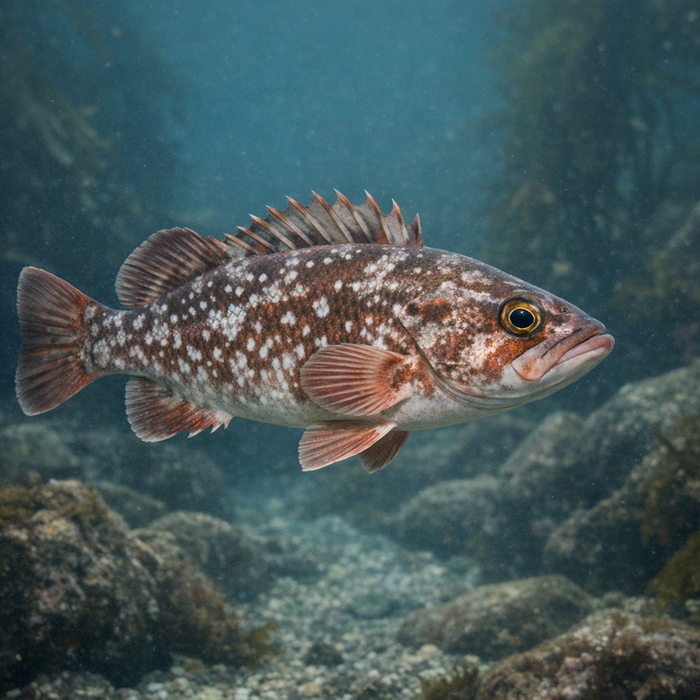
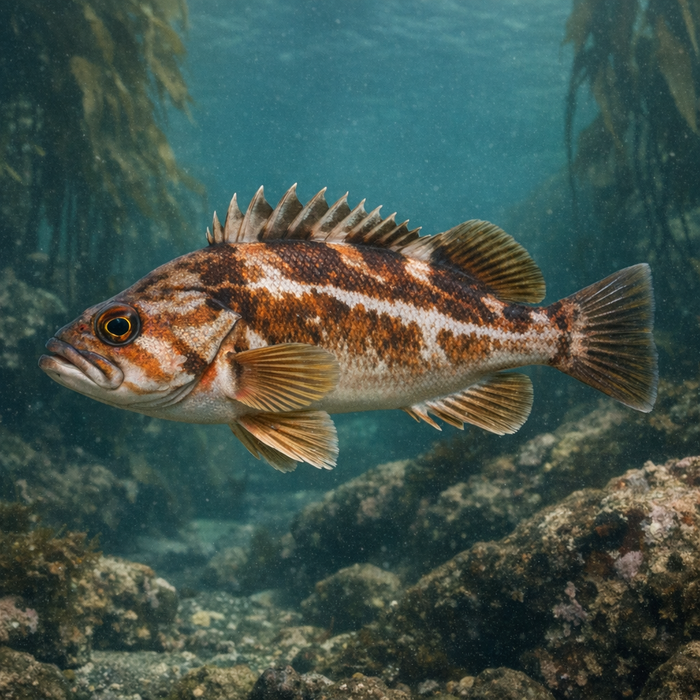
Shortbelly rockfish (Sebastes jordani): A Bold, Memorable Hook LineIntroductionThe shortbelly rockfish is the West Coast's humble overachiever: small, midwater, and absolutely everywhere when the krill crank up. You probably won't plan a trip just to chase them, but if you chase anything that eats them, you owe this little plankton-chaser some respect. Consider this your crash course in shortbelly rockfish facts without the sleepy textbook vibe.What Makes the Shortbelly rockfish Unique?Start with the basics: shortbelly rockfish give birth to live young, not eggs, and they do it by the hundreds of thousands. That's rocket fuel for a food web. They aren't clingy reef squatters either. Instead, they roam midwater in dense schools over the continental shelf and slope, pulsing up and down as light, currents, and plankton dictate. They're small, yes, but unusually long-lived for their size, a weird combo that lets them flood the ocean with larvae during good years and ride out lean times.Habitat & Global RangeWhen anglers ask about shortbelly rockfish habitat, picture this: deep water off the West Coast, not the kelp line. They mass over features like canyons, banks, and slope breaks from roughly mid-shelf to deep slope, often hundreds of feet off bottom. They're a fixture in the California Current, from British Columbia to Baja California, pulsing with upwelling cycles. If your sonar lights up with a thick, fuzzball cloud suspended in blue water offshore, you might be staring at the shortbelly express.Behavior & TemperamentShortbelly rockfish are schooling machines. They'll stack tight when predators or current pin them and spread out when feeding is easy. Night and low light often bring them shallower as they chase krill and tiny crustaceans, classic diel vertical migration. Aggression is modest, but toss a micro jig or a bait-tipped sabiki into the right slice of the water column and it's fish-on. Don't expect hero runs; they're more like a fluttering handful than a drag-scorcher.Ecological ImportanceThese fish are the conveyor belt between plankton and everything you actually brag about catching. Salmon, albacore, lingcod, seabirds, even whales plug into shortbelly schools. When upwelling hits and krill bloom, shortbelly rockfish fatten fast, then get vacuumed up by bigger mouths. Their massive reproductive output and schooling behavior stabilize the whole system, buffering boom-and-bust cycles. No shortbelly, no food chain party.Conservation & Environmental PressuresGood news first: shortbelly rockfish are abundant and generally considered not overfished on the U.S. West Coast. But abundance doesn't mean invincible. They intersect with commercial gear offshore, and climate swings can rearrange their plankton buffet, shifting where and how dense schools form. Prolonged marine heatwaves push the food web out of tune, and what hurts the krill carousel hurts shortbelly rockfish. Luckily, management frameworks that protect groundfish and essential habitats indirectly safeguard this species too.The FishyAF TakeIf rockfish had a blue-collar mascot, it would be the shortbelly. They don't headline, but they headline the buffet. Anglers chasing tuna, salmon, halibut, or trophy lings should learn to read shortbelly schools because finding them often means you've found the neighborhood where the predators clock in. Call it insider radar: follow the bait, spot the clouds, and think like a shortbelly. It's not glamorous, but the scoreboard doesn't care how you found the bite. Shortbelly rockfish habitat knowledge is the most underrated edge in West Coast offshore fishing.