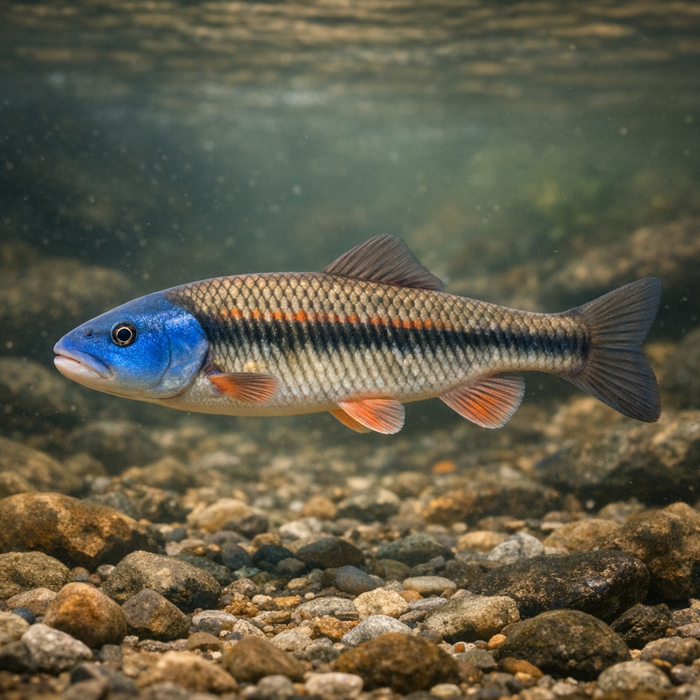
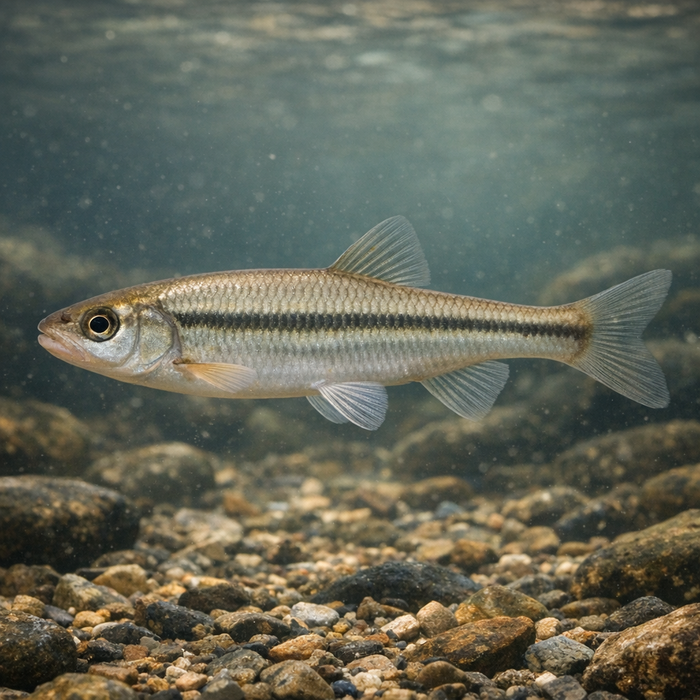
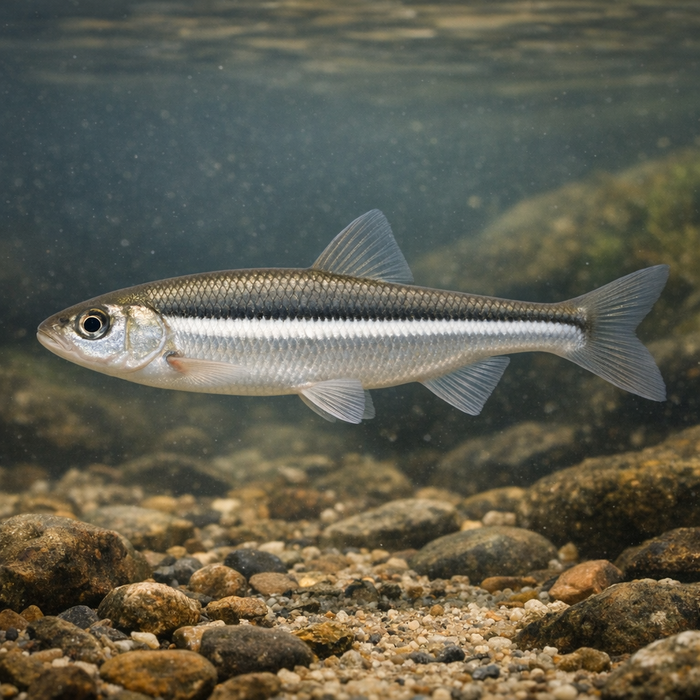
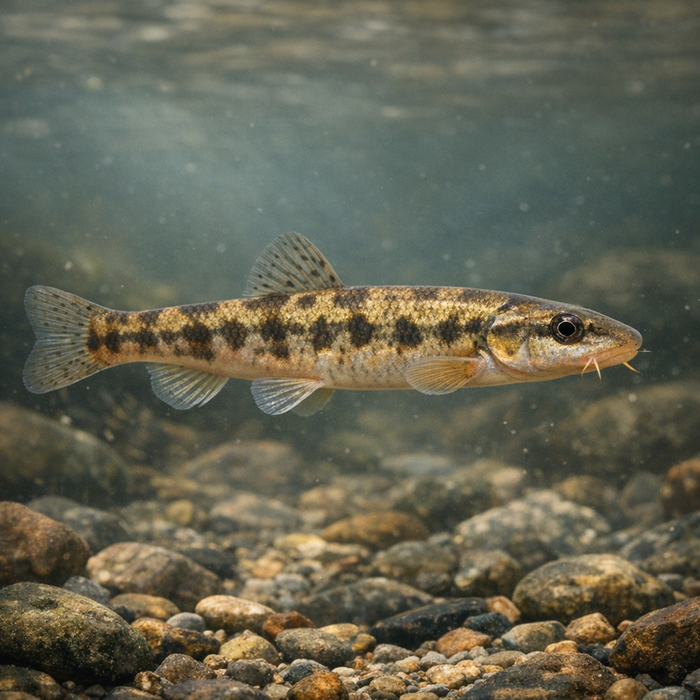
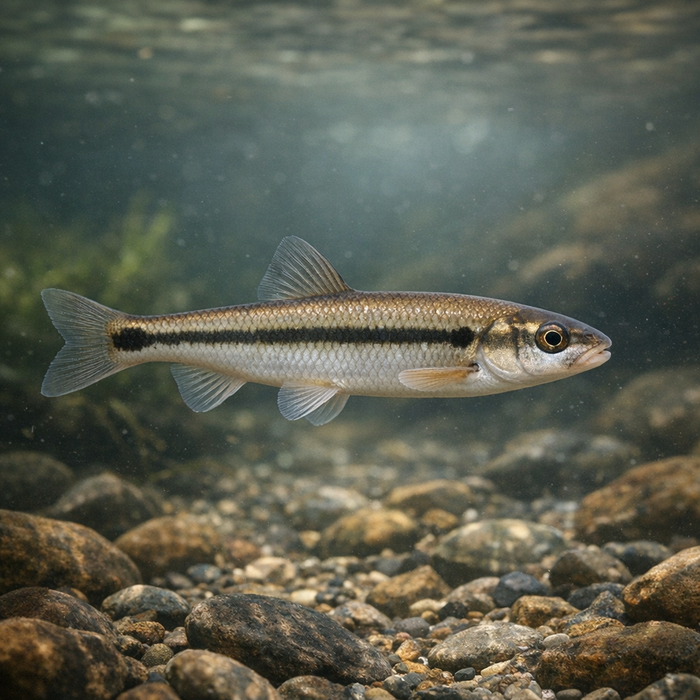
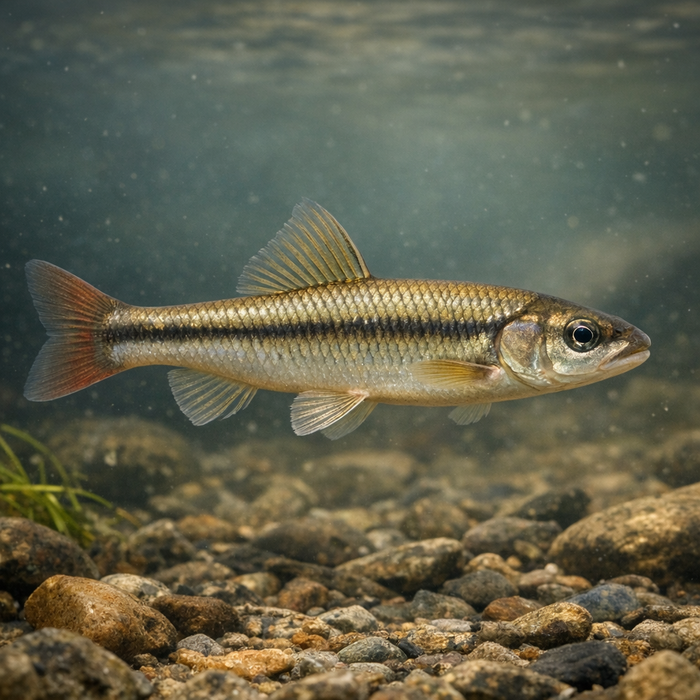
Umpqua Dace (Rhinichthys evermanni): Oregon's pint-size current dodgerIntroductionThe Umpqua dace isn't here to headline your photo wall; it's here to make you grin at how perfectly adapted a tiny fish can be. This little native of Oregon's Umpqua River system rockets between cobbles, slurps micro-invertebrates, and generally disappears the instant you blink. For anglers who appreciate the wild details, the Umpqua dace delivers a masterclass in small-water subtlety and speed.What Makes the Umpqua dace Unique?First, it's hyper-local. The Umpqua dace is endemic to a single watershed, which means you won't chase it across states or continents. Second, it's a riffle specialist. While other minnows loiter in backwaters, this fish thrives where current stacks up over cobble and pea gravel. Third, it wears the Rhinichthys uniform with swagger: a blunt, probing snout, a dark lateral stripe that often freckles with age, and breeding males that sprout tiny tubercles across the snout like ultra-fine grit sandpaper. It's small, sure, but purpose-built. That's the charm.Habitat & Global RangeLet's keep it simple: its passport says Oregon, and the stamp reads Umpqua. The species uses cool, well-oxygenated streams, especially riffles and runs with clean gravel and cobble. In summer, you'll see quick flashes as fish hold in cushion zones behind rocks or tuck into undercut banks. In winter or during spates, they slide deeper into stable seams. If you're scouting Umpqua dace habitat, look for that magic combo of brisk flow, clear water, and rocky texture. Outside the Umpqua system, your odds drop to essentially zero, which makes exploring this watershed feel a little like chasing a micro unicorn. Umpqua dace facts often start and end with place, and that place is unmistakably the Umpqua.Behavior & TemperamentThe Umpqua dace is a sprinter, not a tanker. It pulses forward in short, elastic bursts, then pins itself to low-pressure pockets in swift water. Feeding is opportunistic: drifting midges, caddis bits, tiny nymphs, and micro crustaceans are all fair game. They school loosely, tightening up when predators cruise and spreading out when conditions relax. At night, they slip into rock seams and quiet eddies. Come spring, as flows settle and temps bump up, they broadcast spawn over clean gravel. Males intensify in color and texture, then everyone's back to business as usual-eating and dodging shadows.Ecological ImportanceThink of the Umpqua dace as a nutrient courier with fins. It transfers energy from aquatic bugs into the larger food web, feeding native trout, birds, and even the occasional amphibian. Its preference for clean, fast water also turns it into a living sensor. When sediment loads spike or temperatures climb, dace numbers reflect the hit. If you value wild trout, you should quietly root for healthy dace populations too. They're the bite-size bricks that help build everything bigger.Conservation & Environmental PressuresOn paper, the Umpqua dace hasn't set off sirens, but being a one-watershed specialist is a double-edged sword. Water withdrawals, warming summers, fine sediment from road crossings, and habitat fragmentation all nibble at the margins. Introduced predators in some reaches don't help either. The fish is resilient-small, quick, prolific-but not invincible. Keeping cobble clean, flows stable, and riparian shade intact matters. Fortunately, most anglers chasing trout and steelhead already care about those same ingredients, which indirectly benefits the dace.The FishyAF TakeThe Umpqua dace is the fish that makes you slow down. It's proof that "trophy" doesn't always mean heavy. If you microfish, this species is a bucket-list native with real personality; if you don't, it's still the sparkplug that keeps the Umpqua engine humming. We like it because it forces better streamcraft: reading micro seams, landing casts without splash, and appreciating the little gears that drive a river. Catch one, admire the speed, and let it flick away. That's the whole point.