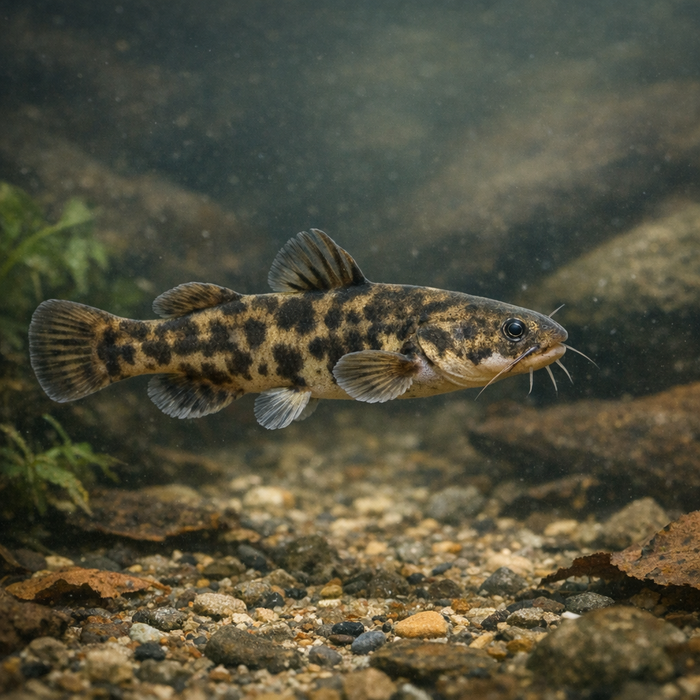
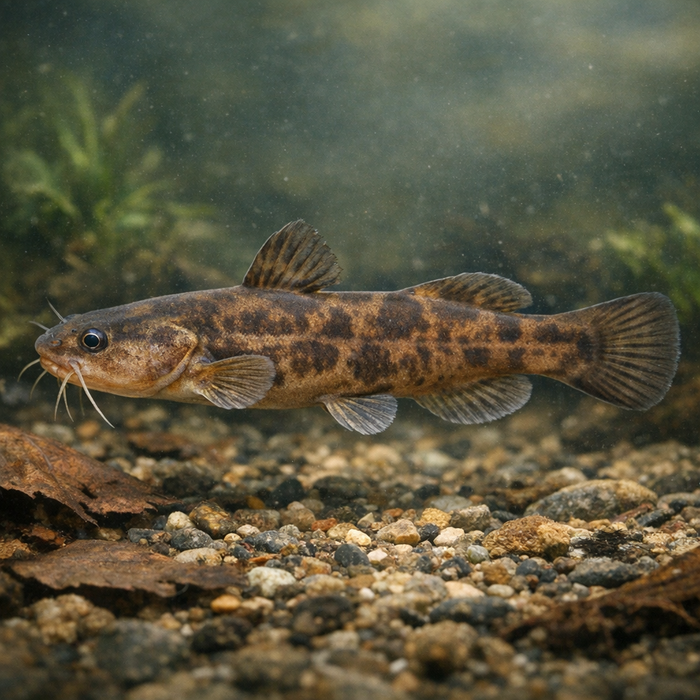
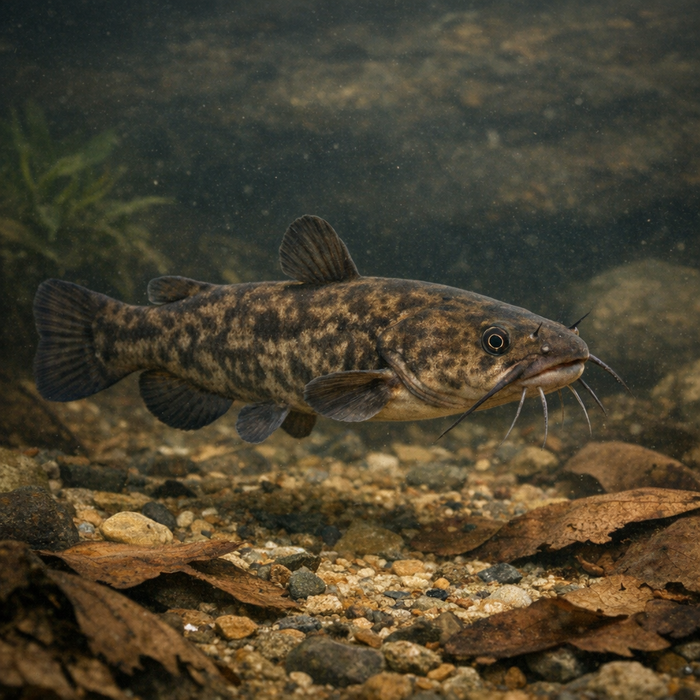
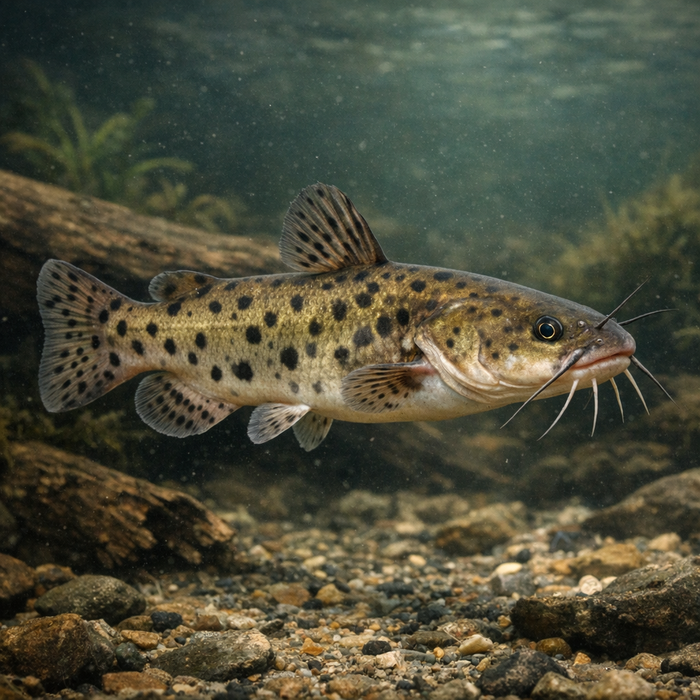
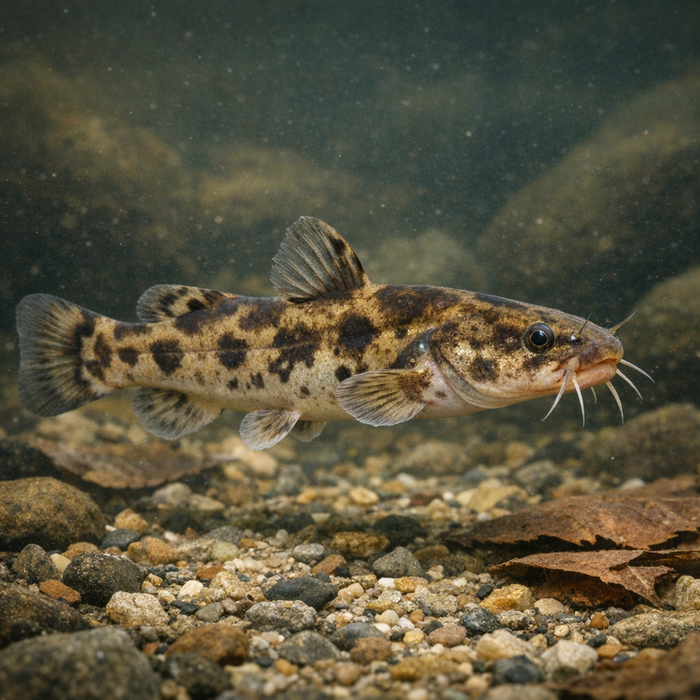
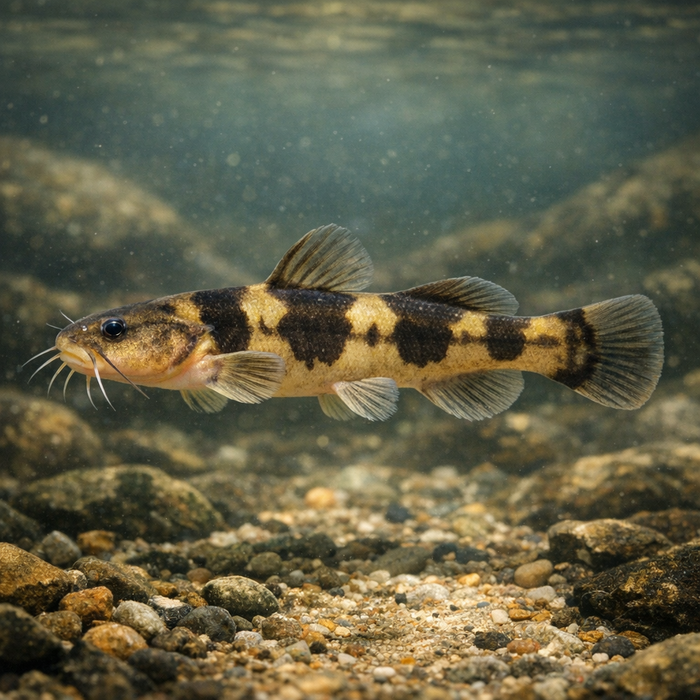
Yaqui Catfish (Ictalurus pricei): Desert native, small frame, big story.IntroductionThe Yaqui catfish is the little cat with a stubborn grip on survival. It's not a slabby reservoir bruiser, and it won't spool you on a screaming run. Instead, this desert dweller hangs tight to roots and undercut banks, riding out floods and droughts in the Yaqui River basin and a handful of reintroduction sites. If you're here for Yaqui catfish facts, you're after a fish with more conservation drama than most species twice its size.What Makes the Yaqui catfish Unique?First, size and shape: the Yaqui catfish is a bantamweight among North American cats, typically running well under four pounds. It looks like a channel catfish at a glance, but close-up details like fin-ray counts and head shape give it away. Second, lineage risk: the top threat isn't a hook, it's genes. Introduced channel catfish hybridize with Yaquis, diluting their already tiny gene pool. Last, resilience: this fish is wired for desert extremes, ducking floods and heat by tucking into deep, shaded pools and structure.Habitat & Global RangeHere's the short take on Yaqui catfish habitat: warm desert creeks and rivers with pockets of permanent water, complex root tangles, and low, slow pools next to steady current. Historically centered in Mexico's Río Yaqui drainage, it flickered out in the U.S. and later reappeared through careful reintroductions. You won't find a wide range map; think targeted headwaters, spring-fed reaches, and small tributaries that still flow when the rest of the desert quits.Behavior & TemperamentThis species plays the night shift. The Yaqui catfish keeps close to bottom, favors cover, and moves most confidently during low light. It's not a bully, but it's no pushover either; pectoral spines lock like hinges when handled, and that compact body can torque hard in tight quarters. Spawning is classic cavity style. Pairs use crevices, root pockets, or manmade nooks; the male stands guard and fans eggs like a metronome.Ecological ImportanceStrip out a native catfish and weird things happen. The Yaqui catfish helps cycle nutrients in turbid desert waters that run hot, low, and unpredictable. It munches invertebrates and small fish, then gets munched by bigger predators and birds, bridging food webs in austere systems. Lose it, and you don't just lose a fish; you shave off resilience in a river network that already runs razor-thin.Conservation & Environmental PressuresThis fish's enemies read like a desert hit list: water withdrawals, habitat fragmentation, nonnative predators, and that chronic hybridization with channel catfish. Low flows strand fish, floods get flashier, and isolated pools turn into genetic islands. Management has leaned into cross-border collaboration, refuges, and careful stockings to keep pure Yaqui catfish on the map. Regulations can be strict or closed entirely, with science-driven handling rules where any angling is allowed.The FishyAF TakeThe Yaqui catfish isn't a numbers game or a meat haul. It's a conservation handshake. If you're lucky enough to encounter one, treat it like a living receipt for good habitat work: cold springs still pumping, banks still shaded, locals still caring. Among Yaqui catfish facts, the most important might be this: the species survives because people chose not to look away. Keep your tackle light, your handling lighter, and your ego lighter yet. That's how you fish a legend that measures its wins in gallons, not pounds.