Black Bullhead (Ameiurus melas): The Sturdy Bottom-Dweller That Owns Murky Waters
The Black Bullhead is not your average catfish. With its rugged appearance and tenacious nature, it’s a freshwater staple across much of North America. This species thrives where others might struggle, carving out a niche in murky, low-oxygen waters that many fish avoid. Known for its resilience and adaptability, the Black Bullhead offers anglers and ecologists alike a fascinating glimpse into survival at the bottom of the food chain.
What Makes the Black Bullhead Unique?
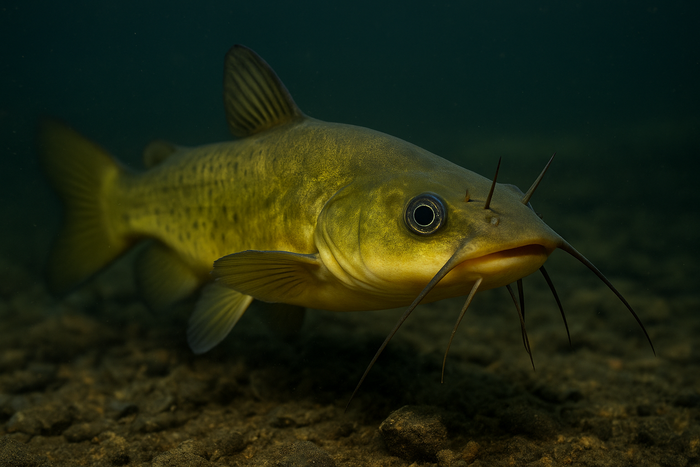
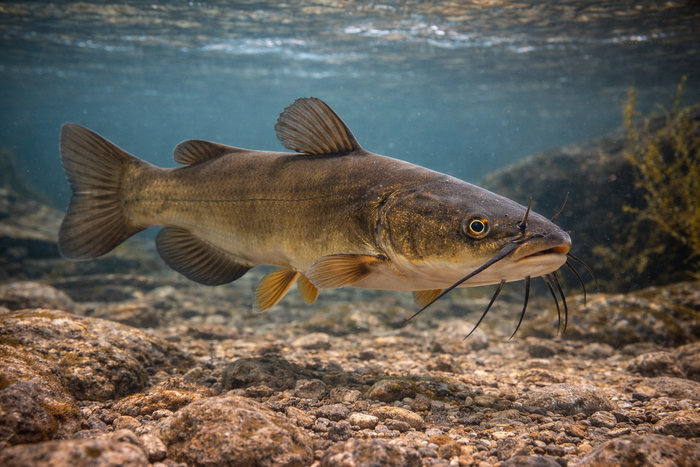
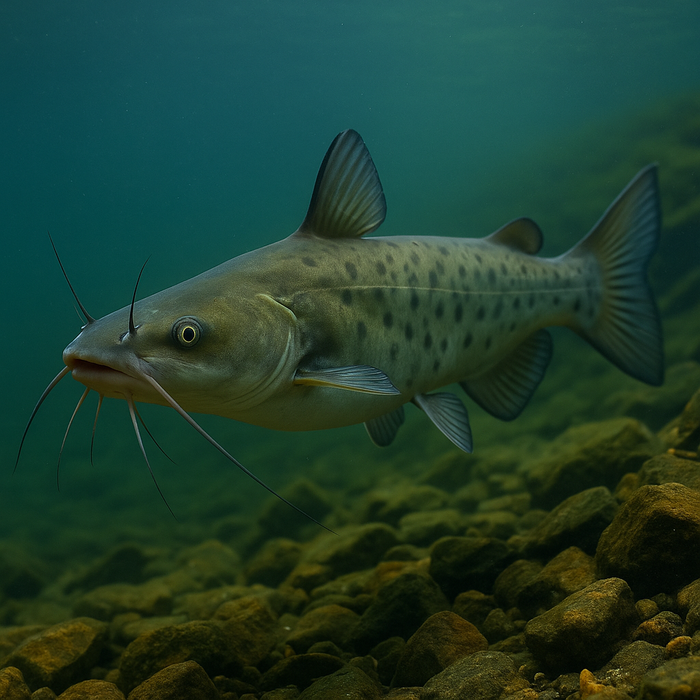
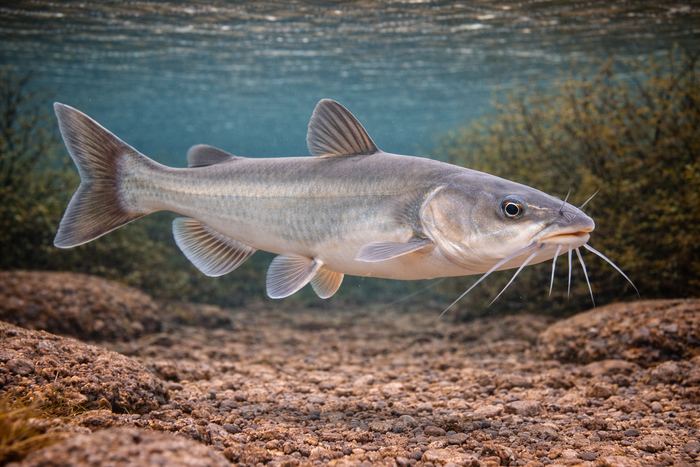
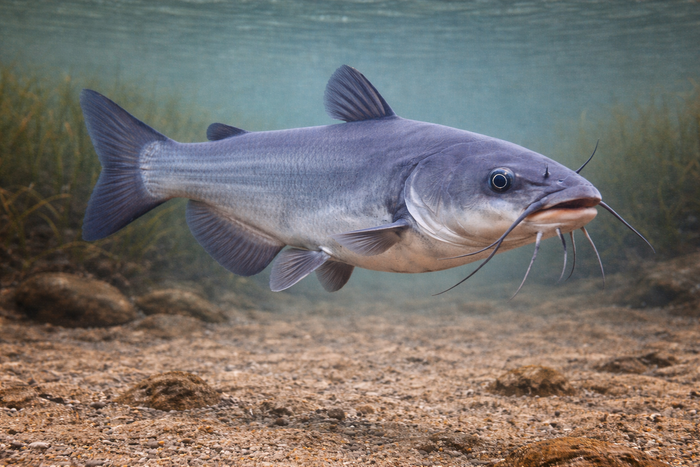
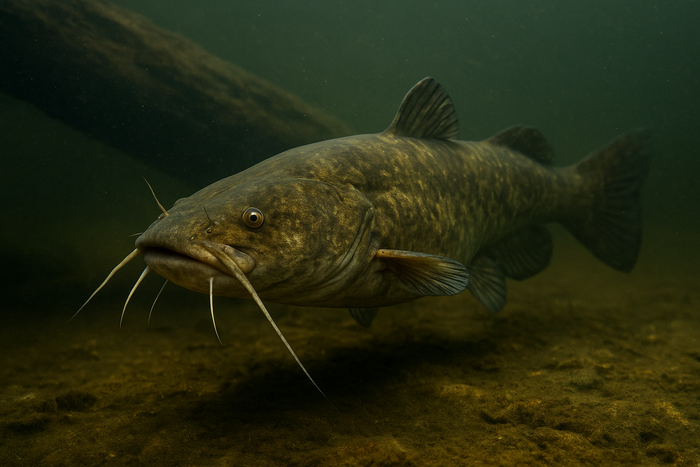
The Black Bullhead stands out with its unmistakable features: a squat, broad head, dark olive to black coloration, and those trademark barbels that give catfish their whiskered charm. Unlike its more famous cousin, the Channel Catfish, the Black Bullhead sports a more rounded tail fin and a stockier body. Its skin is smooth and scaleless, covered in a protective mucus layer that helps it navigate the often gritty, debris-filled environments it calls home.
One of the most notable Black Bullhead facts is its tolerance for poor water conditions. This fish can survive in low oxygen levels and high turbidity where other species would perish. It’s a bottom feeder, using its sensitive barbels to detect food in muddy waters. Its diet is opportunistic—everything from insects and small fish to plant matter and detritus. This adaptability makes it a survivor in fluctuating environments.
Habitat & Global Range
Black Bullhead habitat is primarily freshwater lakes, ponds, and slow-moving rivers with soft, muddy bottoms. They prefer waters rich in vegetation but are infamous for thriving in places with low visibility and poor water quality. This fish is native to the central and eastern United States but has been introduced in various other regions due to its popularity among anglers and its ability to control unwanted aquatic pests.
Their range extends from the Great Lakes basin down through the Mississippi River system, reaching as far south as the Gulf Coast states. They are not picky about temperature, tolerating both warm southern waters and cooler northern climates. This broad range and tolerance for diverse conditions make the Black Bullhead a common catch in many freshwater fishing spots.
Behavior & Temperament
Black Bullheads are primarily nocturnal, spending daylight hours hiding in submerged vegetation or buried in the mud. When night falls, they become active foragers, using their barbels to hunt for food along the bottom. They are solitary or found in small groups rather than large schools, which aligns with their bottom-dwelling, territorial tendencies.
Despite their tough appearance, Black Bullheads are not aggressive toward humans or larger fish. They will defend their nests fiercely during spawning season, but outside of that, they keep to themselves. Their breeding behavior is notable: males prepare nests in shallow waters, guarding eggs and fry aggressively until they can fend for themselves.
Ecological Importance
The Black Bullhead plays a crucial role in freshwater ecosystems. As bottom feeders, they help recycle nutrients by consuming detritus and organic matter, contributing to the breakdown and redistribution of nutrients in aquatic environments. Their diet also helps control populations of insects and small aquatic creatures, maintaining a balance in the food web.
They serve as prey for larger predatory fish, birds, and mammals, linking lower trophic levels to higher ones. Their presence indicates a certain level of ecological resilience since they can survive in degraded habitats where more sensitive species cannot. This makes them important bioindicators for environmental monitoring.
Conservation & Environmental Pressures
Currently, the Black Bullhead is not considered threatened or endangered. Its ability to tolerate poor water quality and adapt to various habitats has kept populations stable. However, this does not mean they are immune to environmental pressures. Pollution, habitat destruction, and invasive species can impact local populations.
In some areas, overfishing or habitat alteration from dam construction and water diversion projects can reduce suitable Black Bullhead habitat. Additionally, while their hardiness is a strength, it also means they can become invasive when introduced outside their native range, potentially disrupting local ecosystems.
The FishyAF Take
The Black Bullhead is a no-nonsense fish that thrives where others falter. It’s an ecological workhorse, a bottom-feeding scavenger with a knack for survival in tough conditions. For anglers, it’s a reliable catch that fights hard despite its modest size. For ecologists, it’s a living testament to adaptability and resilience.
If you want to understand freshwater ecosystems beyond the flashy game fish, the Black Bullhead is your go-to species. It’s not glamorous, but it’s essential. Knowing Black Bullhead facts and appreciating their habitat preferences gives you insight into the gritty underbelly of freshwater life. They may not be the trophy fish, but they’re the backbone of many aquatic communities—and that’s worth paying attention to.