Channel Catfish (Ictalurus punctatus): The Bottom-Dwelling Champion of North American Waters
The Channel Catfish is the undisputed heavyweight of freshwater fish in North America. Known for its distinctive forked tail and whisker-studded face, this species commands respect from anglers and ecologists alike. Whether you’re a seasoned fisherman or a curious nature enthusiast, understanding the Channel Catfish offers a glimpse into a resilient, adaptable predator that thrives in diverse aquatic environments.
What Makes the Channel Catfish Unique?
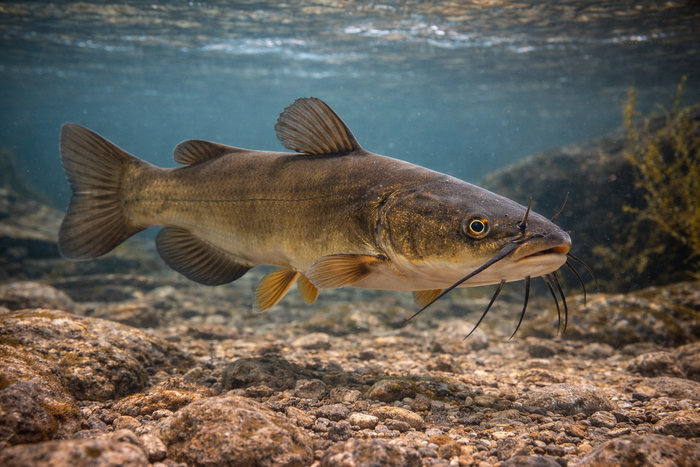
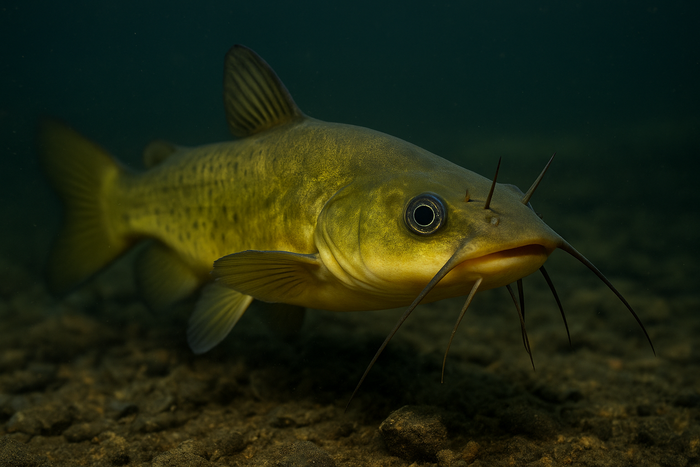
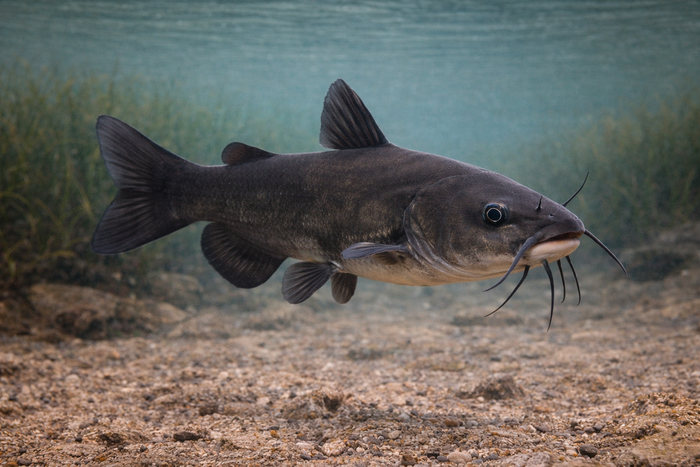
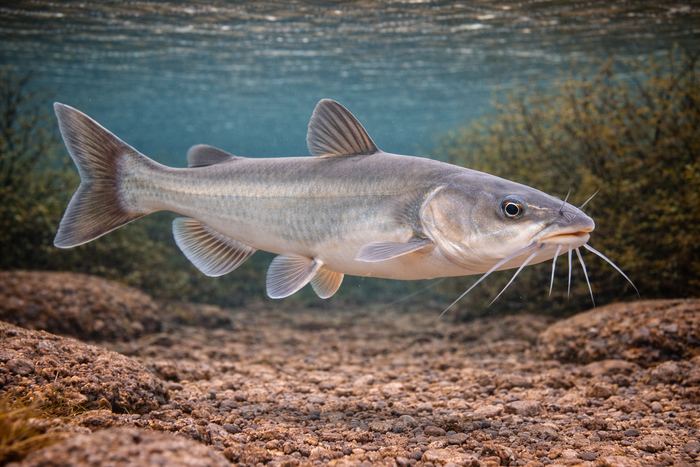
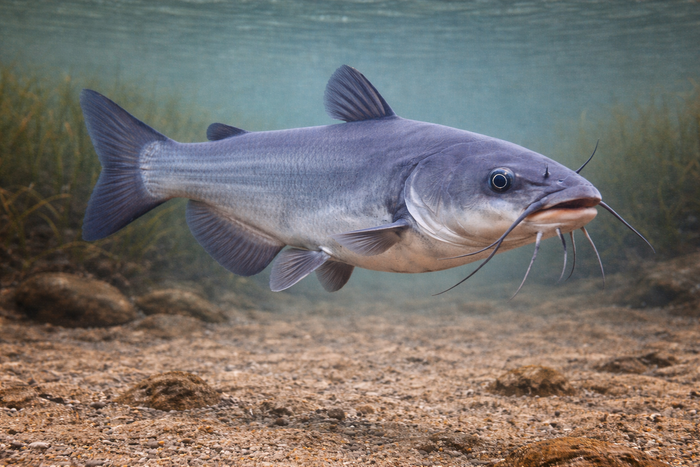
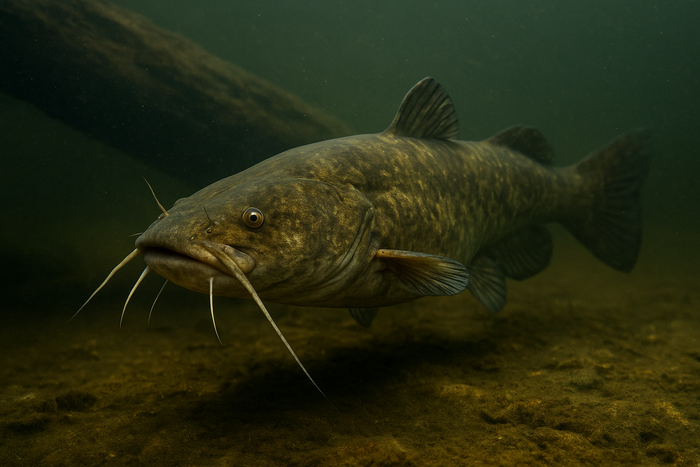
The Channel Catfish stands out with its sleek, scaleless body covered in smooth skin and a signature forked tail that slices through water with ease. Its barbels—those whisker-like appendages around the mouth—aren’t just for show; they’re sensory powerhouses that help the fish detect food in murky waters. Unlike many fish, Channel Catfish have a keen ability to locate prey by taste and touch, making them formidable bottom feeders.
Their coloration varies from silvery-gray to a darker olive or bluish hue, often speckled with small black spots, especially in younger fish. This camouflaging pattern helps them blend into riverbeds and lake bottoms. Another unique trait is their capacity to tolerate a wide range of water conditions, including low oxygen levels and varying temperatures, which contributes to their widespread distribution.
Habitat & Global Range
Channel Catfish habitat spans a broad swath of North America, from southern Canada down through the United States and into northern Mexico. They prefer freshwater environments such as rivers, reservoirs, lakes, and ponds. Their adaptability allows them to thrive in both clear and turbid waters, often favoring areas with moderate current and plenty of submerged structures like logs, rocks, and vegetation.
These fish are bottom dwellers, frequently found in deep holes or near drop-offs where they can ambush prey and avoid predators. Channel Catfish habitat is not limited to natural waterways; they have also been introduced to various regions worldwide for sport fishing and aquaculture, sometimes becoming invasive due to their hardy nature.
Behavior & Temperament
Channel Catfish are nocturnal hunters. When the sun dips below the horizon, they become active, using their barbels to forage for a wide range of food items including insects, smaller fish, crustaceans, and plant matter. Their opportunistic diet is a key to their survival, allowing them to exploit whatever food sources are available.
Despite their reputation as bottom feeders, Channel Catfish are surprisingly aggressive when it comes to feeding. They will compete fiercely for food, often congregating in large numbers. However, they are generally non-aggressive towards humans and other fish species outside of feeding times.
Spawning behavior is another interesting aspect. Channel Catfish males prepare nests in cavities or under submerged logs and aggressively guard the eggs until they hatch. This parental investment increases offspring survival rates in the wild.
Ecological Importance
Channel Catfish play a vital role in freshwater ecosystems. As both predator and scavenger, they help control populations of smaller fish and invertebrates, maintaining a balanced food web. Their bottom-feeding habits contribute to nutrient cycling by disturbing sediment and consuming detritus, which can enhance the overall health of aquatic habitats.
They also serve as prey for larger predators such as birds of prey, larger fish, and mammals, making them a crucial link in the food chain. For anglers and commercial fisheries, Channel Catfish represent an important economic resource, supporting recreational fishing industries and local economies.
Conservation & Environmental Pressures
While Channel Catfish populations are generally stable and even thriving in many areas, they are not immune to environmental pressures. Habitat degradation from pollution, dam construction, and water diversion projects can disrupt their spawning grounds and reduce water quality. Overfishing in some regions has also raised concerns, though their high reproductive rate often compensates for this.
Invasive species and diseases pose additional threats, potentially altering the delicate balance of ecosystems where Channel Catfish reside. Conservation efforts focus on habitat restoration, sustainable fishing practices, and monitoring population health to ensure this species remains a staple of freshwater biodiversity.
The FishyAF Take
Channel Catfish are the quintessential all-rounders of freshwater fishing and ecology. Their adaptability, aggressive feeding behavior, and ecological versatility make them a species worth knowing beyond the bait bucket. If you want to understand what keeps North American rivers and lakes ticking, start with the Channel Catfish.
This fish isn’t just a bottom feeder; it’s a bottom-line player in aquatic ecosystems. Whether you’re casting a line or studying freshwater dynamics, the Channel Catfish delivers a masterclass in survival, resilience, and ecological balance. Keep an eye on their habitats and populations—these fish tell us a lot about the health of our waters. And if you’re after some solid Channel Catfish facts, remember: their secret weapon is those sensory barbels and their no-nonsense attitude toward life at the bottom.