White Catfish (Ameiurus catus): The Underrated Bottom Dweller That Commands Attention
The White Catfish is the kind of fish that slips under the radar but demands respect once you know it. Sporting a sleek, pale body and a mouth full of sensory barbels, this species is a master of the murky waters it calls home. Whether you’re an angler, biologist, or just a curious observer, the White Catfish offers a fascinating glimpse into freshwater ecosystems. This guide dives deep into White Catfish facts, habitat preferences, and the role this fish plays in its environment.
What Makes the White Catfish Unique?
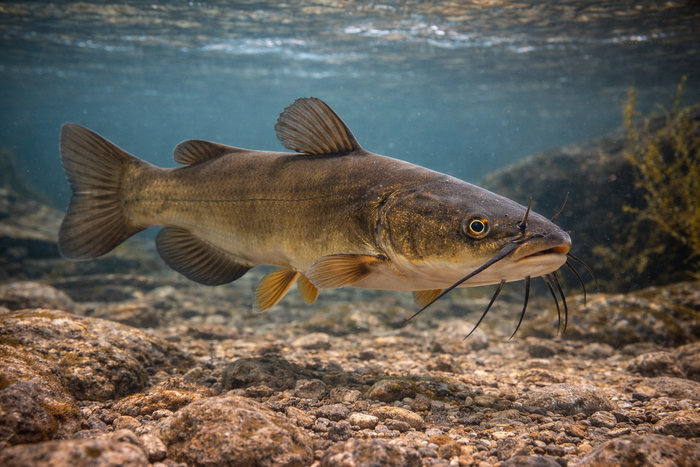
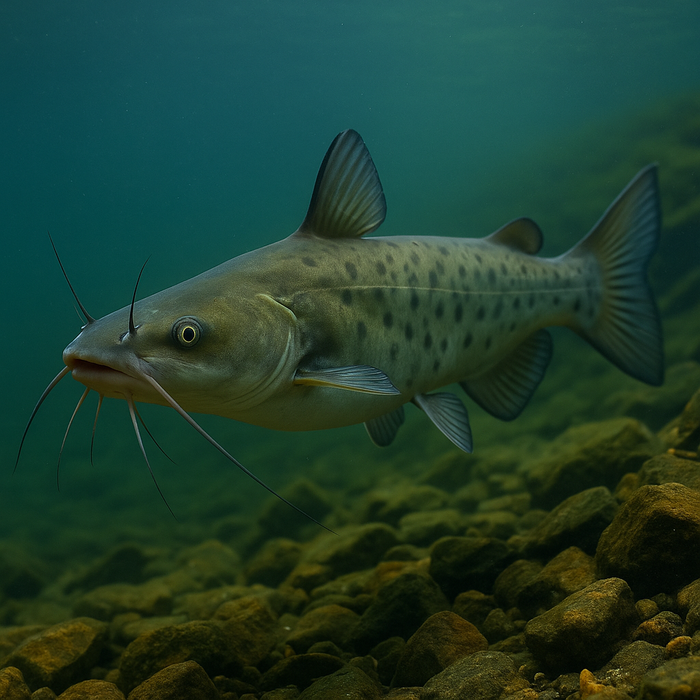
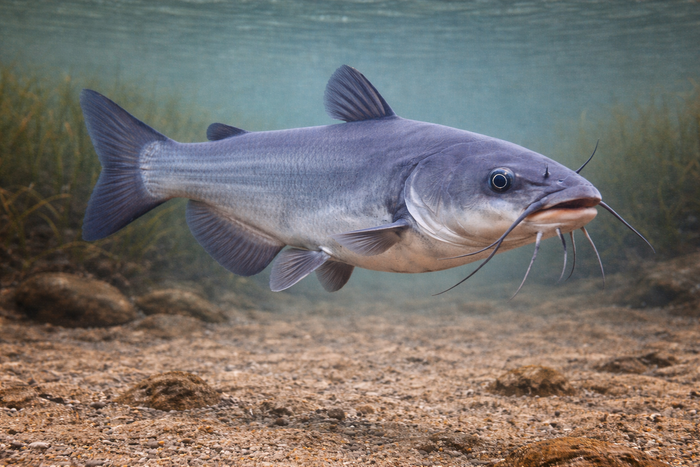
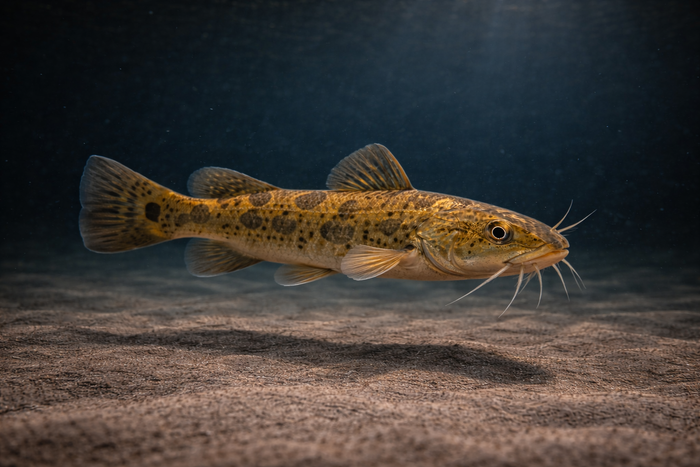
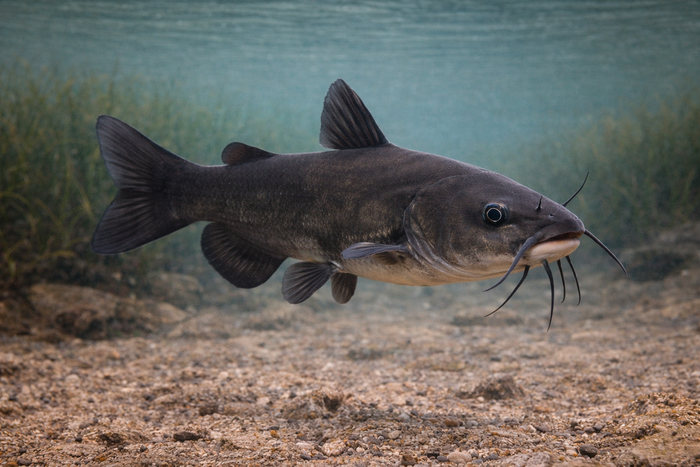
Unlike its more famous cousin, the Channel Catfish, the White Catfish boasts a smoother, more streamlined profile with a pale, almost ghostly coloration that sets it apart. Its body is typically a creamy white to bluish-gray, which helps it blend into silty bottoms. One standout feature is its relatively small head paired with long, sensitive barbels that act like underwater antennae, detecting prey in low-visibility conditions.
White Catfish are opportunistic feeders with a diet that includes insects, small fish, and crustaceans. Their ability to adapt to various food sources makes them resilient survivors. Another unique trait is their breeding behavior; males guard the nests aggressively, showing a level of parental care not always seen in freshwater fish. This protective instinct boosts offspring survival rates and contributes to stable populations.
Habitat & Global Range
White Catfish are native to the eastern United States, primarily found in the Atlantic and Gulf Coastal Plains. Their White Catfish habitat spans slow-moving rivers, reservoirs, and estuaries with soft, muddy bottoms. They thrive in waters with moderate vegetation and prefer environments where oxygen levels can fluctuate, showcasing their adaptability.
While their core range is the southeastern U.S., White Catfish have been introduced to other areas, sometimes causing ecological shifts. They tolerate brackish water better than many freshwater species, allowing them to exploit estuarine zones where freshwater meets saltwater. This tolerance expands their habitat options and complicates management efforts in some regions.
Behavior & Temperament
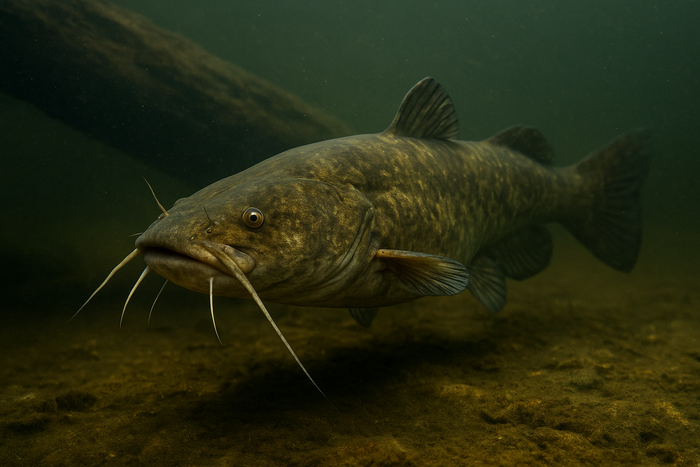
White Catfish are bottom dwellers, spending most of their time near the substrate, using their barbels to hunt for food in the dark or murky water. They are primarily nocturnal feeders, which means they come alive when the sun goes down, cruising the riverbed or lake floor for anything edible.
Despite their somewhat solitary nature, White Catfish can be found in loose groups, especially during spawning season. They exhibit territorial behavior around nests, with males fiercely defending their eggs and fry from intruders. Outside of breeding, they tend to avoid confrontation, opting for stealth and camouflage over aggression.
Ecological Importance
White Catfish play a crucial role in freshwater and estuarine food webs. As mid-level predators, they help control populations of insects and smaller fish, maintaining a balance that prevents any single species from dominating. Their scavenging habits also contribute to nutrient recycling, breaking down organic matter on the bottom and keeping waterways cleaner.
They serve as prey for larger fish, birds, and mammals, linking aquatic and terrestrial ecosystems. Their presence indicates a relatively healthy environment, especially in waters where oxygen levels and pollution fluctuate. Understanding White Catfish facts is essential for grasping the dynamics of the ecosystems they inhabit.
Conservation & Environmental Pressures
While not currently listed as endangered, White Catfish face challenges from habitat degradation, pollution, and competition with invasive species. Urban development and agricultural runoff can alter their habitat, reducing water quality and oxygen availability. These changes stress populations and can lead to localized declines.
Introductions outside their native range have sometimes led to conflicts with native species, as White Catfish compete for food and space. Managing these populations requires careful monitoring and sometimes intervention to protect biodiversity.
Conservation efforts focus on habitat preservation and water quality improvement. Maintaining the integrity of White Catfish habitat ensures they continue to fulfill their ecological roles and remain a viable species for anglers and ecosystems alike.
The FishyAF Take
The White Catfish is a classic example of a species that deserves more spotlight. It’s not flashy, but it’s tough, adaptable, and essential. If you’re looking to understand freshwater ecosystems or want a reliable catch that fights hard, the White Catfish is your go-to. Its unique blend of resilience and ecological importance makes it a standout bottom dweller. Next time you’re near a muddy riverbank or a quiet estuary, remember the White Catfish is probably lurking below, silently shaping the aquatic world.