Flathead (Pylodictis olivaris): The Bottom-Dwelling Predator That Owns the Muddy Waters
Meet the Flathead, a freshwater catfish that commands attention with its broad, flattened head and impressive size. Known scientifically as Pylodictis olivaris, this fish is a staple of North American rivers and lakes. It’s not just another catfish; it’s a master of stealth and power lurking beneath the surface. If you want to understand one of the most formidable freshwater predators, you need to know the Flathead.
What Makes the Flathead Unique?
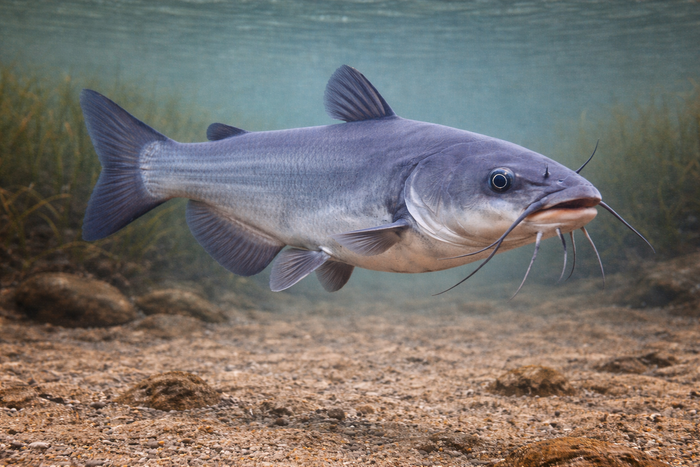
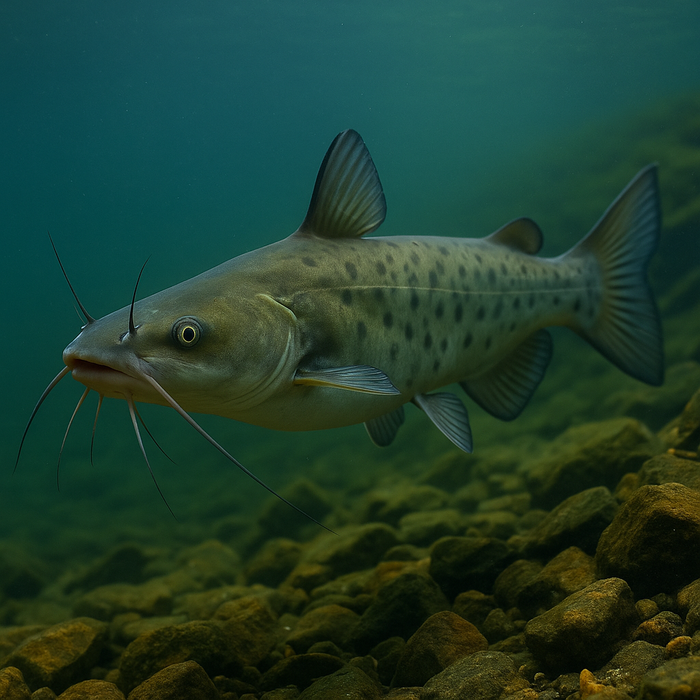
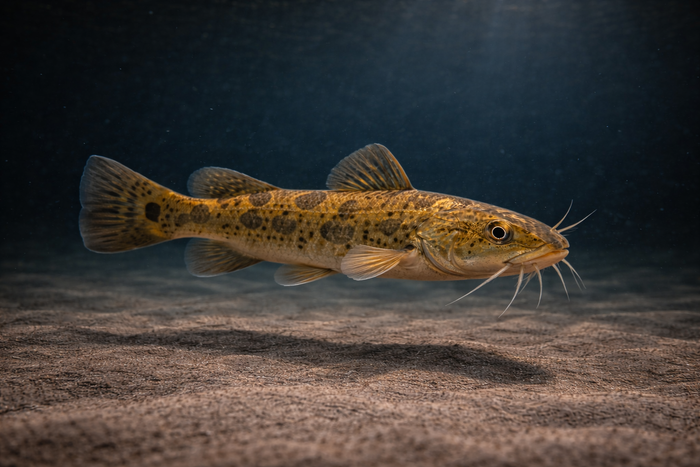
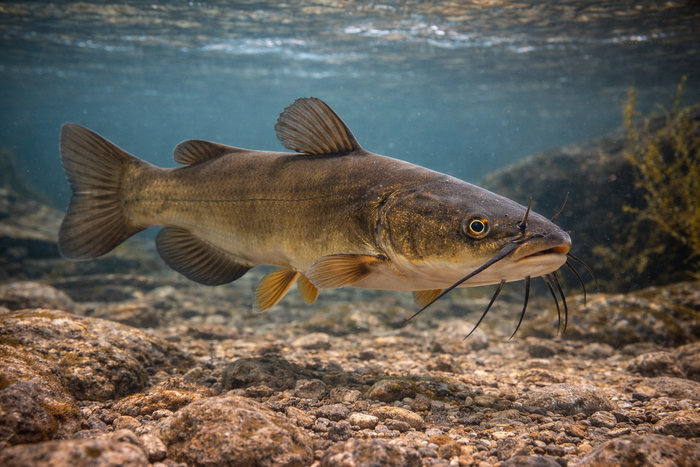
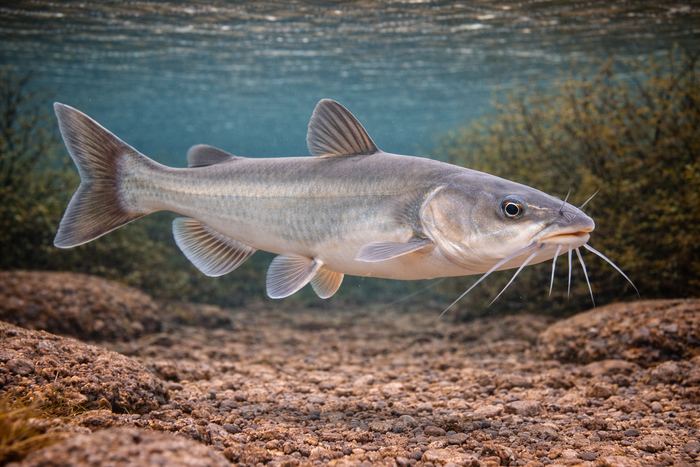
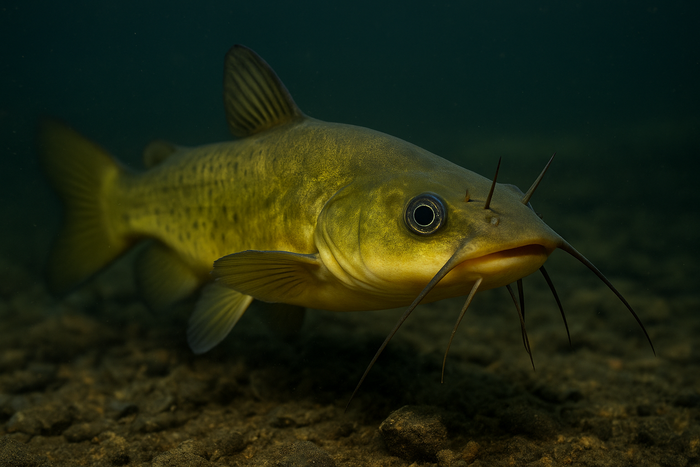
The Flathead’s most obvious feature is its wide, flat head, which isn’t just for show. This design helps it stay close to the river or lake bottom, ambushing prey with precision. Unlike many catfish that rely heavily on scent and taste, the Flathead uses a combination of sensory barbels and keen eyesight to hunt. Its mouth is massive, lined with sharp teeth, a rarity among catfish, allowing it to snap up prey quickly and efficiently.
Flatheads grow large, often tipping the scales well over 50 pounds, making them one of the biggest freshwater catfish in North America. Their body is muscular and streamlined, built for sudden bursts of speed rather than long chases. This fish is a true ambush predator, relying on camouflage and patience rather than speed.
Habitat & Global Range
Flathead habitat is primarily in the central and eastern United States, with a range extending into southern Canada. They prefer large rivers, reservoirs, and lakes with muddy or sandy bottoms. These environments provide the perfect cover for their bottom-dwelling lifestyle.
Unlike some fish that thrive in clear water, Flatheads are comfortable in turbid, low-visibility conditions. They use the murk to their advantage, blending into the substrate and waiting for prey to come close. They favor areas with submerged logs, rocks, and other structures that offer hiding spots and ambush points.
Flatheads are adaptable but show a strong preference for slow-moving or still waters. They avoid fast currents and open waters where their stealth tactics would be compromised. Their distribution is closely tied to river systems like the Mississippi, Missouri, and Ohio, where they find ample food and shelter.
Behavior & Temperament
Flatheads are solitary hunters with a reputation for being aggressive when provoked or hungry. They are nocturnal feeders, using the cover of darkness to stalk fish, crayfish, and other bottom-dwelling creatures. Their hunting style is all about patience and timing—lying in wait until the perfect moment to strike.
Despite their size and power, Flatheads are not territorial in the traditional sense but will defend prime ambush spots if challenged. They are not known for schooling or social behavior, preferring a lone existence.
When caught on a line, Flatheads put up a fierce fight, making them a favorite among anglers who appreciate a challenge. Their temperament is bold, and they are known to bite aggressively, even on lures that don’t resemble their typical prey.
Ecological Importance
Flatheads play a critical role in freshwater ecosystems as apex or near-apex predators. They help control populations of smaller fish and invertebrates, maintaining a balanced food web. By preying on weak or sick individuals, they contribute to the overall health of fish communities.
Their presence indicates a relatively healthy aquatic environment, especially in large river systems. Flatheads also serve as prey for larger predators like alligators and humans, linking multiple trophic levels.
In addition, their scavenging habits help recycle nutrients by consuming dead or dying organisms. This dual role as predator and scavenger makes them indispensable in nutrient cycling and energy flow within their habitats.
Conservation & Environmental Pressures
Flathead populations face challenges from habitat degradation, pollution, and overfishing. Dams and river modifications disrupt their natural habitats, altering water flow and sediment patterns essential for their ambush lifestyle. Pollution from agricultural runoff and industrial waste can reduce water quality, affecting their health and prey availability.
Overfishing, especially in popular recreational areas, can reduce local populations. While Flatheads are resilient, their slow growth and late maturity make them vulnerable to overharvesting.
Conservation efforts focus on habitat restoration, pollution control, and sustainable fishing regulations. Protecting river corridors and maintaining water quality are crucial for preserving Flathead habitat. Anglers are encouraged to practice catch-and-release and adhere to size and bag limits to ensure this species remains a fixture in North American waters.
The FishyAF Take
Flatheads are the ultimate bottom-dwelling predators—silent, powerful, and perfectly adapted to their muddy kingdoms. They don’t just survive; they dominate. Understanding Flathead facts and their habitat is key for anglers and conservationists alike. These fish demand respect, not just for their size and fight but for their ecological role and evolutionary finesse.
If you want a fish that combines brute strength with cunning strategy, the Flathead is your go-to. They’re a reminder that sometimes the most impressive hunters don’t chase their prey—they wait, hidden in plain sight, until the moment to strike is just right. Keep an eye on Flathead populations and their habitats; their health reflects the pulse of our freshwater ecosystems.