Stonecat (Noturus flavus): The Small Catfish with a Big Attitude and a Sharp Edge
The Stonecat is not your average bottom-dweller. This diminutive North American catfish packs a punch with its bold behavior and distinctive appearance. Known scientifically as Noturus flavus, the Stonecat is a member of the madtom group, a subset of catfish that often fly under the radar despite their fascinating biology. If you’re diving into Stonecat facts, prepare to meet a fish that’s as tough as the rocky streams it calls home.
What Makes the Stonecat Unique?
The Stonecat stands out for several reasons. First, it’s one of the few catfish species with venomous spines. Those sharp pectoral and dorsal fin spines can deliver a painful sting, a defense mechanism that keeps predators at bay. This venom isn’t lethal to humans but is enough to make you think twice before handling one without care.
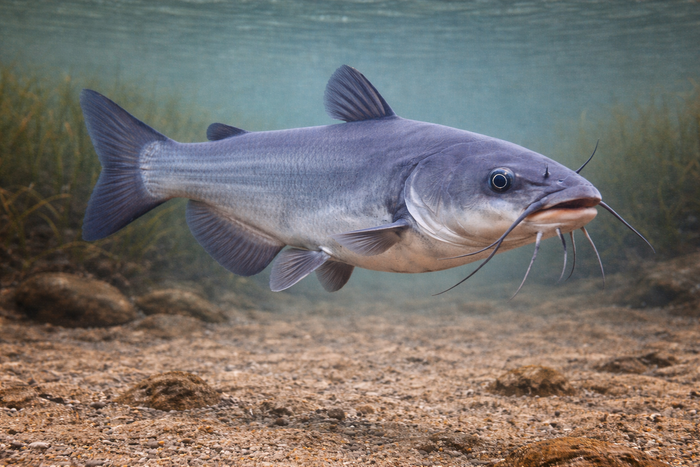
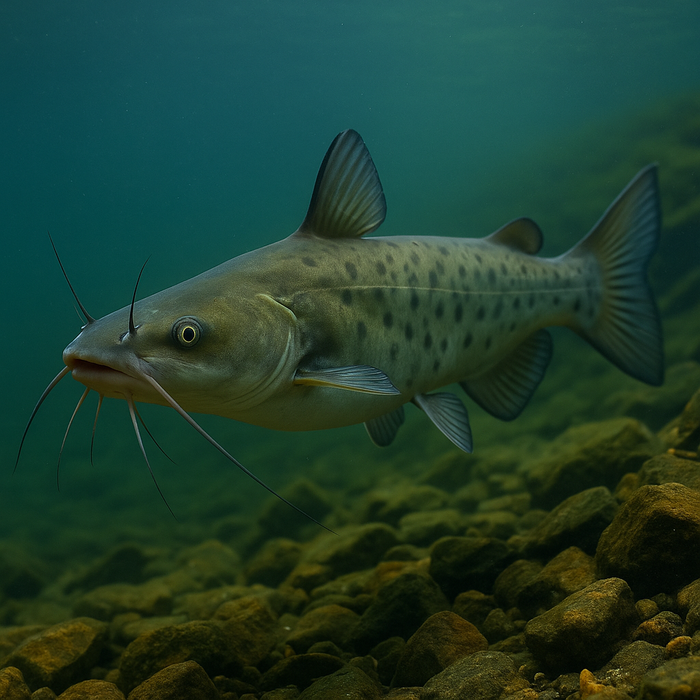
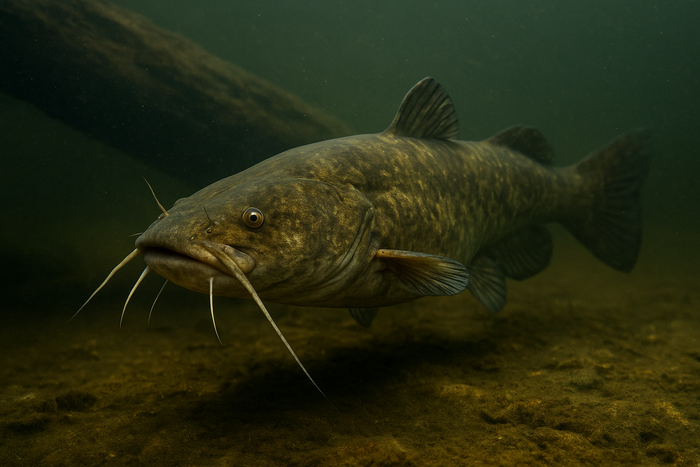
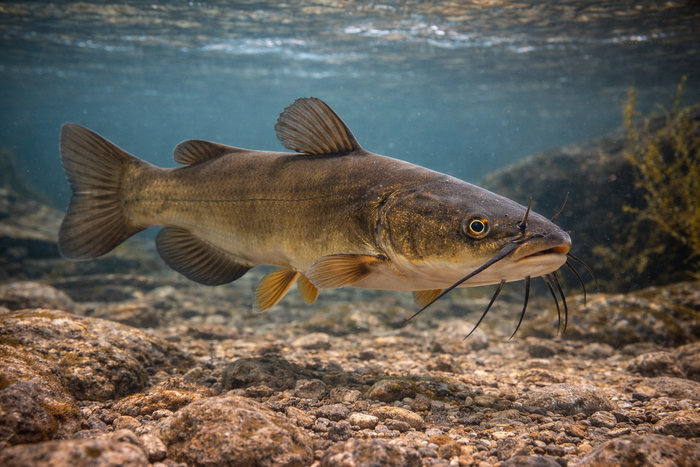
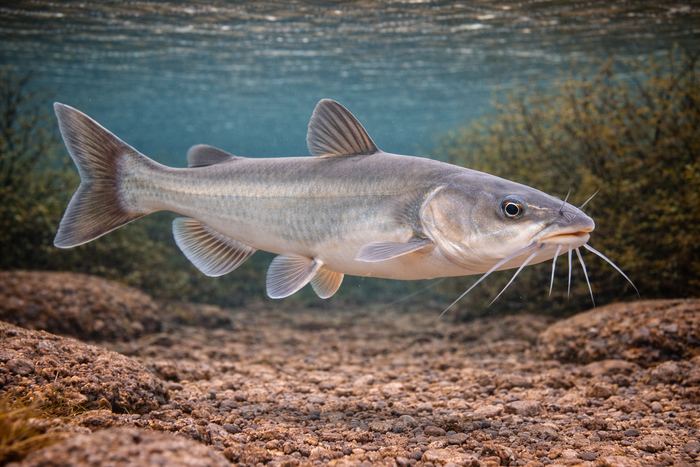
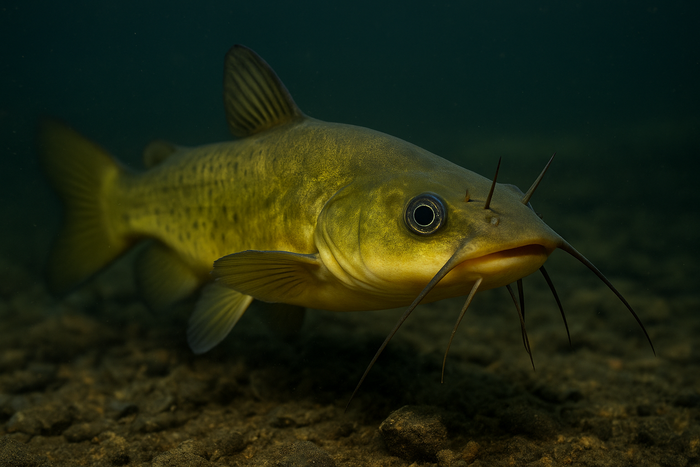
Visually, the Stonecat is a study in subtlety and camouflage. Its mottled brown and yellowish coloration blends seamlessly with the gravel and stones of its habitat. Unlike many catfish, it has a relatively flattened head and body, perfect for squeezing into crevices and hiding under rocks. The whisker-like barbels around its mouth are sensory tools, helping it detect prey in murky waters.
Another unique trait is its size and lifespan. Stonecats are small, rarely exceeding 6 inches, but they live longer than many small fish, sometimes up to 6 years. This longevity paired with their secretive nature makes them a resilient species in their niche.
Habitat & Global Range
Stonecat habitat is strictly freshwater, favoring clear, fast-flowing streams and rivers with rocky or gravelly bottoms. They thrive in riffles and runs where oxygen levels are high and water movement is steady. This preference for clean, well-oxygenated water makes them excellent indicators of stream health.
Geographically, Stonecats are native to a broad swath of central and eastern North America. Their range extends from the Great Lakes region down through the Mississippi River basin and into parts of the Ohio and Tennessee River systems. They are absent from the far northern and southern extremes but are common in mid-latitude freshwater systems.
Because they rely on specific habitat conditions, Stonecats are sensitive to changes in water quality and sedimentation. Their presence or absence can tell you a lot about the state of a river or stream.
Behavior & Temperament
Stonecats are nocturnal hunters, coming alive after dark to scour the substrate for invertebrates, small fish, and other edible bits. Their barbels are crucial for detecting prey in low visibility conditions. Despite their small size, they are aggressive feeders and will defend their territory vigorously.
They are bottom dwellers through and through, rarely venturing into open water. During the day, Stonecats hide under stones or in crevices, using their flattened bodies to wedge themselves securely. This behavior not only protects them from predators but also positions them perfectly for ambushing prey.
Reproduction is another interesting aspect of their behavior. Males guard nests under rocks, fiercely protecting eggs until they hatch. This parental care is relatively rare among fish and highlights the Stonecat’s investment in offspring survival.
Ecological Importance
Stonecats play a crucial role in freshwater ecosystems. As benthic predators, they help regulate populations of aquatic insects and other invertebrates, maintaining a balance that supports overall stream health. Their feeding habits contribute to the breakdown of organic material, facilitating nutrient cycling.
They also serve as prey for larger fish and aquatic birds, linking lower and higher trophic levels. The venomous spines, while a defense, don’t make them invulnerable, so they remain an integral part of the food web.
Because they require clean, well-oxygenated water, Stonecats act as bioindicators. Healthy Stonecat populations often signal a healthy stream environment, making them valuable for ecological monitoring and conservation efforts.
Conservation & Environmental Pressures
Stonecats face several environmental pressures, primarily from habitat degradation. Sedimentation from agriculture, urban runoff, and deforestation can smother the rocky substrates they depend on. Pollution lowers water quality, reducing oxygen levels and introducing toxins that can be lethal.
Dams and waterway modifications disrupt natural flow regimes, altering the riffle habitats Stonecats need for feeding and breeding. These changes can fragment populations, reducing genetic diversity and resilience.
While not currently listed as endangered, local populations of Stonecats have declined in areas with heavy human impact. Conservation efforts focus on protecting water quality, restoring natural stream habitats, and monitoring populations to detect early signs of decline.
The FishyAF Take
The Stonecat is a small fish with a big story. It’s a master of survival in fast-flowing, rocky streams, armed with venomous spines and a stealthy hunting style. Its presence signals a healthy aquatic ecosystem, making it a silent sentinel for freshwater conservation.
For anglers and naturalists, the Stonecat offers a lesson in resilience and adaptation. It’s not flashy or large, but it’s tough, territorial, and uniquely equipped for its niche. If you want to understand the subtle complexities of stream life, learning Stonecat facts and appreciating its habitat is a great place to start.
In a world where flashy game fish often steal the spotlight, the Stonecat reminds us that ecological importance and evolutionary ingenuity come in all sizes. It’s a bold, memorable species that deserves more respect than it gets. Keep an eye on those rocky bottoms—you might just spot this fierce little catfish lurking in the shadows.