Brown Bullhead (Ameiurus nebulosus): The Scrappy Bottom-Dweller That Owns the Muddy Waters
Meet the Brown Bullhead, a catfish that doesn’t just lurk in the shadows but commands attention with its rugged appearance and tenacious spirit. This species is a staple of North American freshwater systems, known for its resilience and adaptability. If you think all catfish are the same, think again. The Brown Bullhead brings a unique blend of grit and ecological importance to the table, making it a fascinating subject for anglers, biologists, and anyone curious about freshwater life.
What Makes the Brown Bullhead Unique?
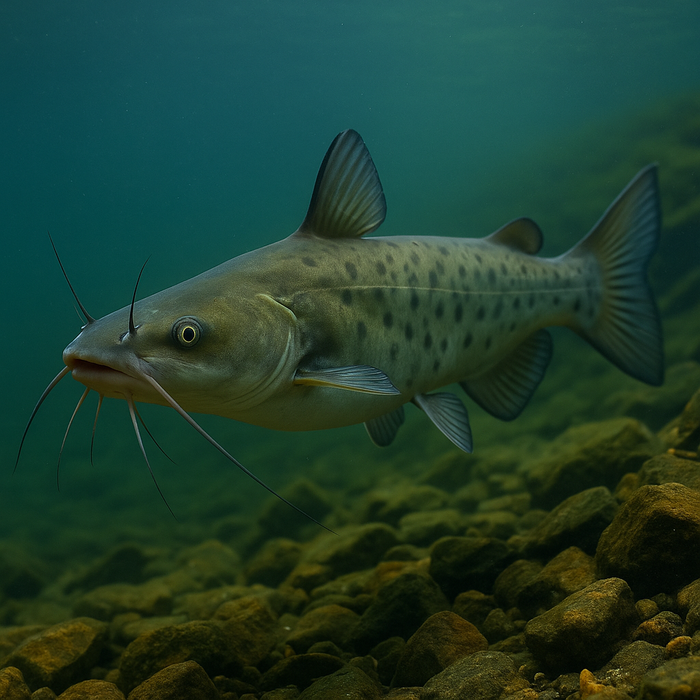
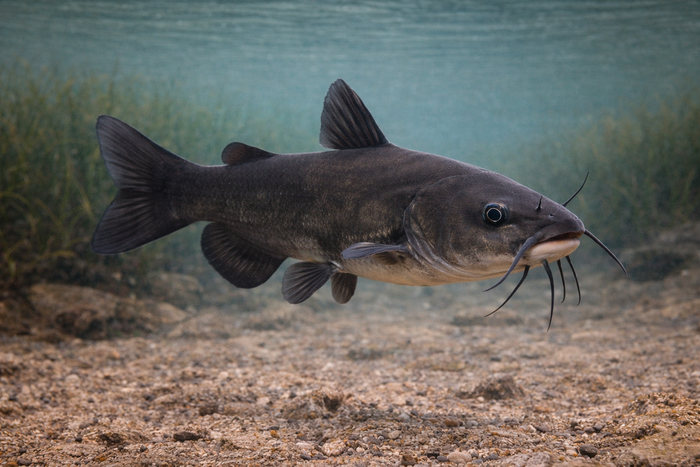
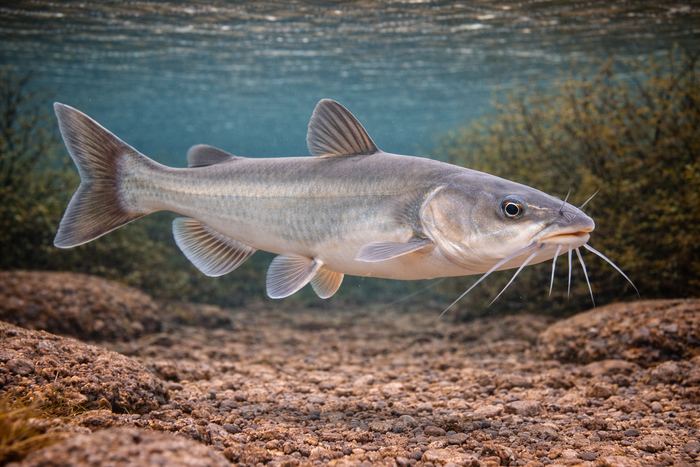
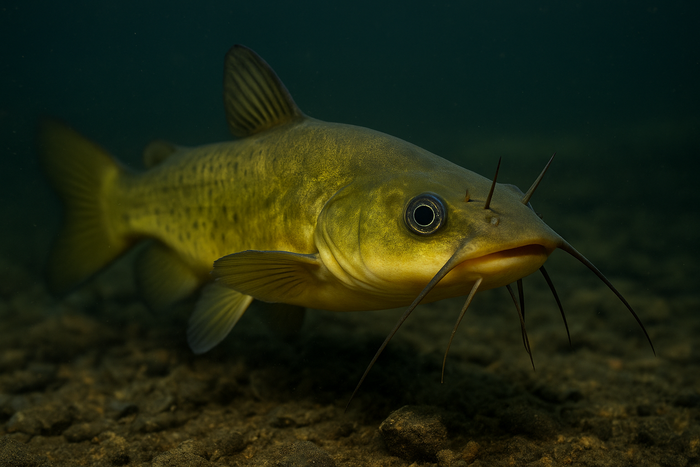
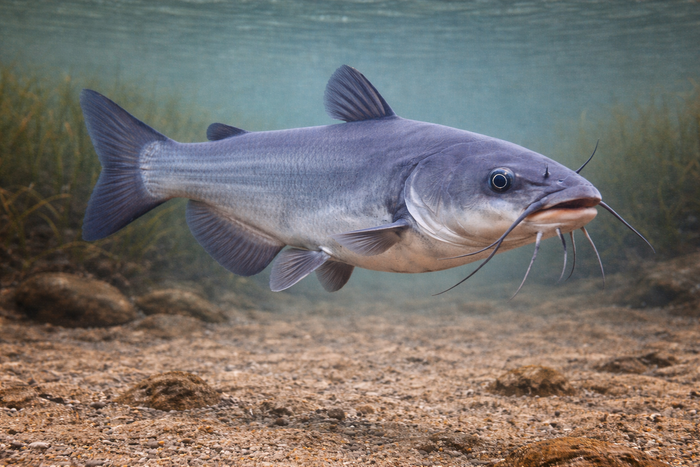
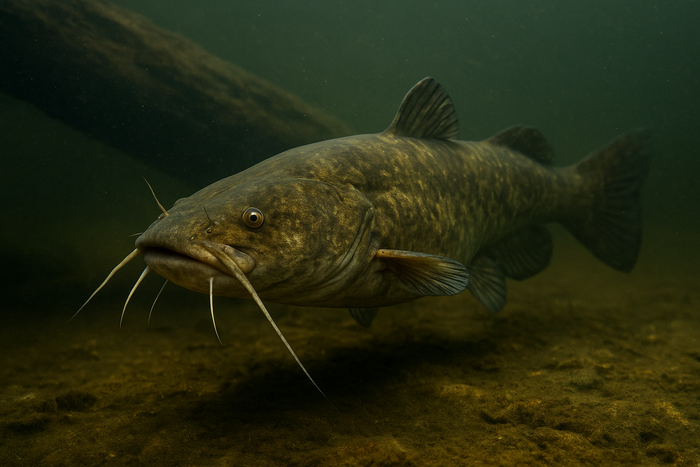
The Brown Bullhead stands out with its unmistakable features: a broad, flat head, whisker-like barbels around its mouth, and a body built for bottom-dwelling. Unlike its more famous cousin, the channel catfish, the Brown Bullhead has a stockier build and a darker, mottled coloration that blends perfectly with muddy or vegetated bottoms. Its spiny pectoral and dorsal fins are not just for show—they serve as a defense mechanism against predators and careless anglers alike.
One of the most intriguing Brown Bullhead facts is its ability to tolerate low-oxygen environments and murky waters where other fish struggle to survive. This adaptability is a key survival trait, allowing it to thrive in places with fluctuating water quality. The species also exhibits parental care, with males guarding nests aggressively, a behavior that’s not universal among catfish.
Habitat & Global Range
Brown Bullhead habitat is primarily freshwater bodies across much of the eastern and central United States and parts of Canada. They prefer slow-moving or still waters such as ponds, lakes, rivers, and reservoirs with muddy or sandy bottoms. These fish are bottom feeders, so they gravitate toward environments rich in organic debris and aquatic vegetation, which provide both food and cover.
Their range extends from the Great Lakes region down through the Mississippi River basin and into parts of the southern United States. Over time, Brown Bullheads have been introduced to other areas, sometimes becoming invasive due to their hardiness and reproductive success. Their ability to survive in diverse conditions—from clear lakes to turbid, polluted waters—makes them a resilient species with a broad ecological footprint.
Behavior & Temperament
Brown Bullheads are nocturnal feeders, using their sensitive barbels to detect prey in the dark or murky water. Their diet is an opportunistic mix of insects, small fish, crustaceans, and plant matter. This scavenging lifestyle means they play a vital role in cleaning up detritus and controlling invertebrate populations.
Despite their name, Brown Bullheads are not aggressive toward humans but can be feisty when provoked or handled. Their spines can deliver a painful sting, so caution is advised when fishing or handling them. Socially, they tend to be solitary or found in small groups, especially outside the breeding season. During spawning, males become territorial and fiercely protective of their nests, showcasing a surprising level of parental investment.
Ecological Importance
The Brown Bullhead is more than just a bottom-dwelling oddity; it’s a key player in freshwater ecosystems. By feeding on a wide range of organisms, it helps maintain balance in aquatic food webs. Its scavenging habits aid in nutrient recycling, breaking down organic matter that would otherwise accumulate and degrade water quality.
Moreover, Brown Bullheads serve as prey for larger fish, birds, and mammals, linking multiple trophic levels. Their nests provide microhabitats for other organisms, contributing to biodiversity. In some ecosystems, their presence indicates a certain level of environmental health, particularly in waters where oxygen levels fluctuate.
Conservation & Environmental Pressures
While the Brown Bullhead is currently not considered threatened, it faces challenges common to many freshwater species. Habitat degradation from pollution, sedimentation, and waterway modifications can impact populations. Invasive species and overfishing in some regions also pose risks.
Climate change adds another layer of uncertainty, potentially altering water temperatures and oxygen levels, which could affect their distribution and reproductive success. However, their tolerance for a wide range of conditions offers some buffer against environmental stressors. Conservation efforts that focus on maintaining clean, connected waterways and protecting wetland habitats indirectly support Brown Bullhead populations.
The FishyAF Take
The Brown Bullhead doesn’t get the spotlight like trophy bass or flashy trout, but it deserves respect. This fish is a survivor, a bottom-dwelling workhorse that quietly shapes freshwater ecosystems. Its rugged build, defensive spines, and parental dedication make it a memorable species for anglers and ecologists alike.
Understanding Brown Bullhead facts and Brown Bullhead habitat is key to appreciating how this species fits into the bigger picture of freshwater biodiversity. Next time you’re fishing or exploring a muddy pond, keep an eye out for this scrappy catfish. It’s a reminder that sometimes the most unassuming creatures are the ones holding the ecosystem together.